Spotify has finally rolled out a feature that users have been requesting for years. It'll now make music videos available in the U.S. and Canada, with full access limited to Premium subscribers. It seems like Spotify doesn't want to be just an app you listen on anymore. It wants to be the place you watch videos, too.
If you live in the U.S. or Canada, you’ll start seeing a little option that says “Switch to video” when you’re listening to a song. Tap it, and the full music video starts playing from the exact moment you’re in the track. And should you want to just listen to audio, hit “Switch to audio.”
Plus, videos can go full screen when you rotate your phone as Spotify has replaced the usual looping Canvas visuals. The feature works across iOS, Android, desktop, and TV apps.
 Emmanuel Umahi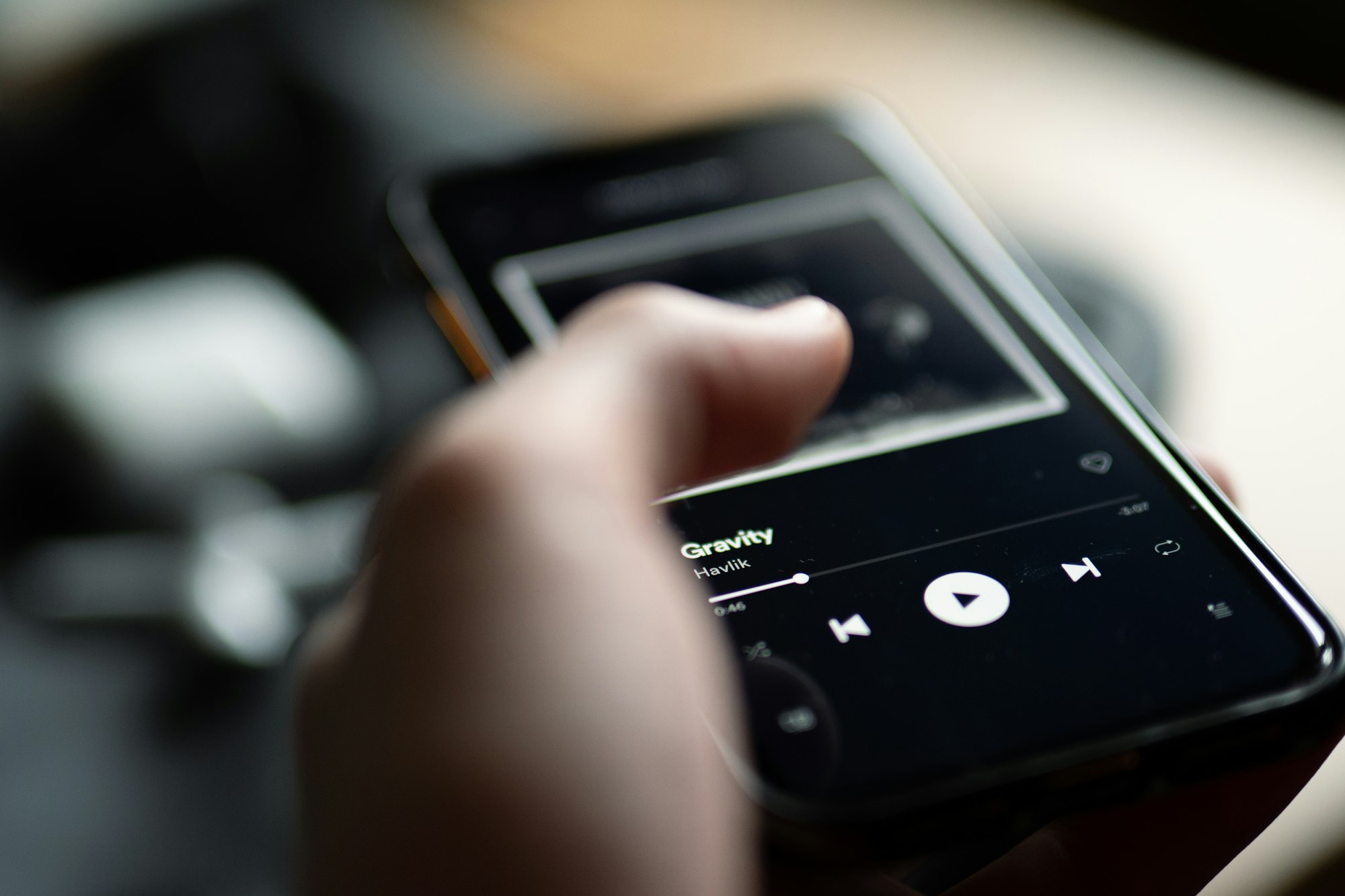
Spotify is also introducing curated video playlists, including 90s Video Hits, Hip-Hop Throwbacks, Latin Party Hits, and more. Personalized video recommendations will appear on the home screen, and the catalog will grow as labels deliver more licensed content. Spotify hasn’t disclosed how many videos are available yet.
But why Spotify is doing this? Well... YouTube has owned the music-and-video hybrid space for years. YouTube Music already even lets users switch between audio and video seamlessly, and Spotify couldn’t compete on that experience until now.
Behind the scenes, this rollout follows significant licensing progress. Spotify recently struck a major deal with the National Music Publishers’ Association (NMPA), and labels including Universal, Sony, and Warner have agreed to provide AV rights. Video streams that run longer than 30 seconds will now count toward royalties, which strengthens Spotify’s relationship with artists and rights holders.
 Louis Eriakha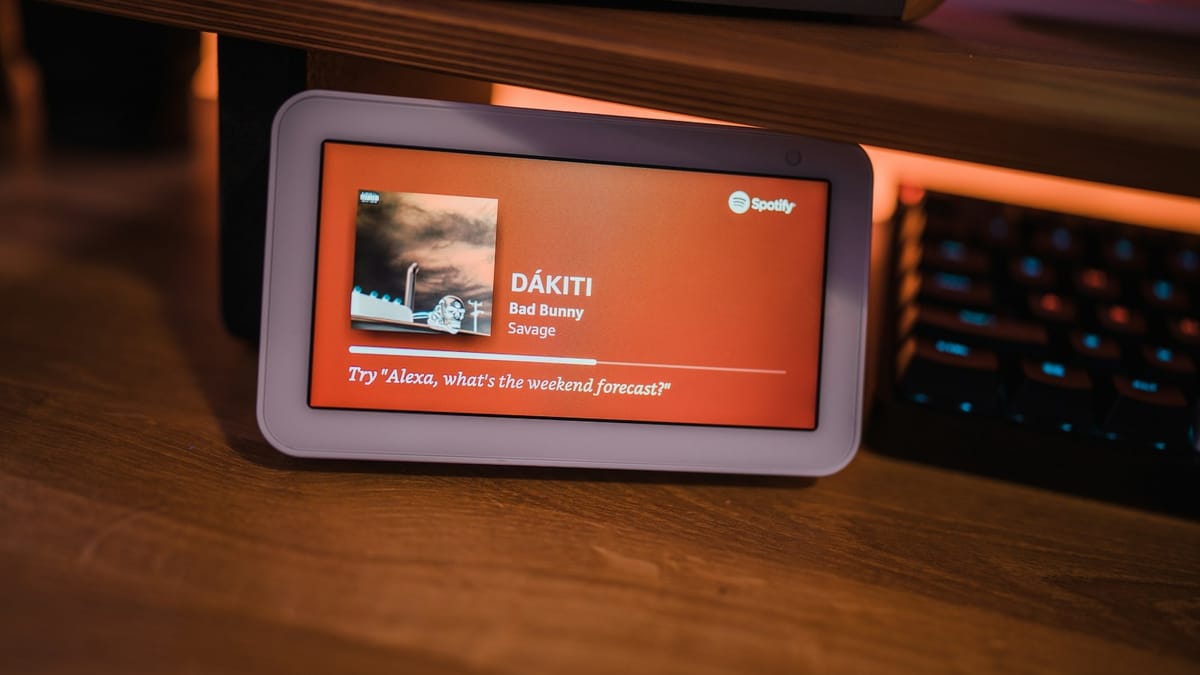
Alongside the U.S. and Canada launch, the feature is expanding to markets including Ghana, Jamaica, Uganda, Haiti, Grenada, and Guyana. Brazil and Colombia will still see videos on the free tier, a holdover from the earlier beta rollout.
Overall, Spotify likely wants to consolidate the entire music experience, audio, video, discovery, social engagement, inside a single platform. It also gives artists more visibility, a new surface for fan activation, and an additional revenue stream.
The takeaway
Spotify isn’t just adding music videos. It’s repositioning itself for a direct fight with YouTube by moving deeper into multimedia. If the rollout succeeds, 2026 could be a defining year in the battle for the future of music consumption.
 Emmanuel Umahi