Substack has been adding video features to its platform for a while. What’s new now is where that video is headed.
The newsletter-first platform is introducing a beta TV app for Apple TV and Google TV, letting subscribers watch video posts and livestreams from creators directly on their televisions. Moving Substack content from phones and inboxes to the living room marks a meaningful shift in how the company sees its future, and how it expects people to spend time with creators.
On TV, the app features a Netflix-style “For You” row that surfaces recommended videos, alongside curated sections designed to make it easier to browse creators and their content. Both free and paid subscribers can use the app, with access depending on subscription tiers.
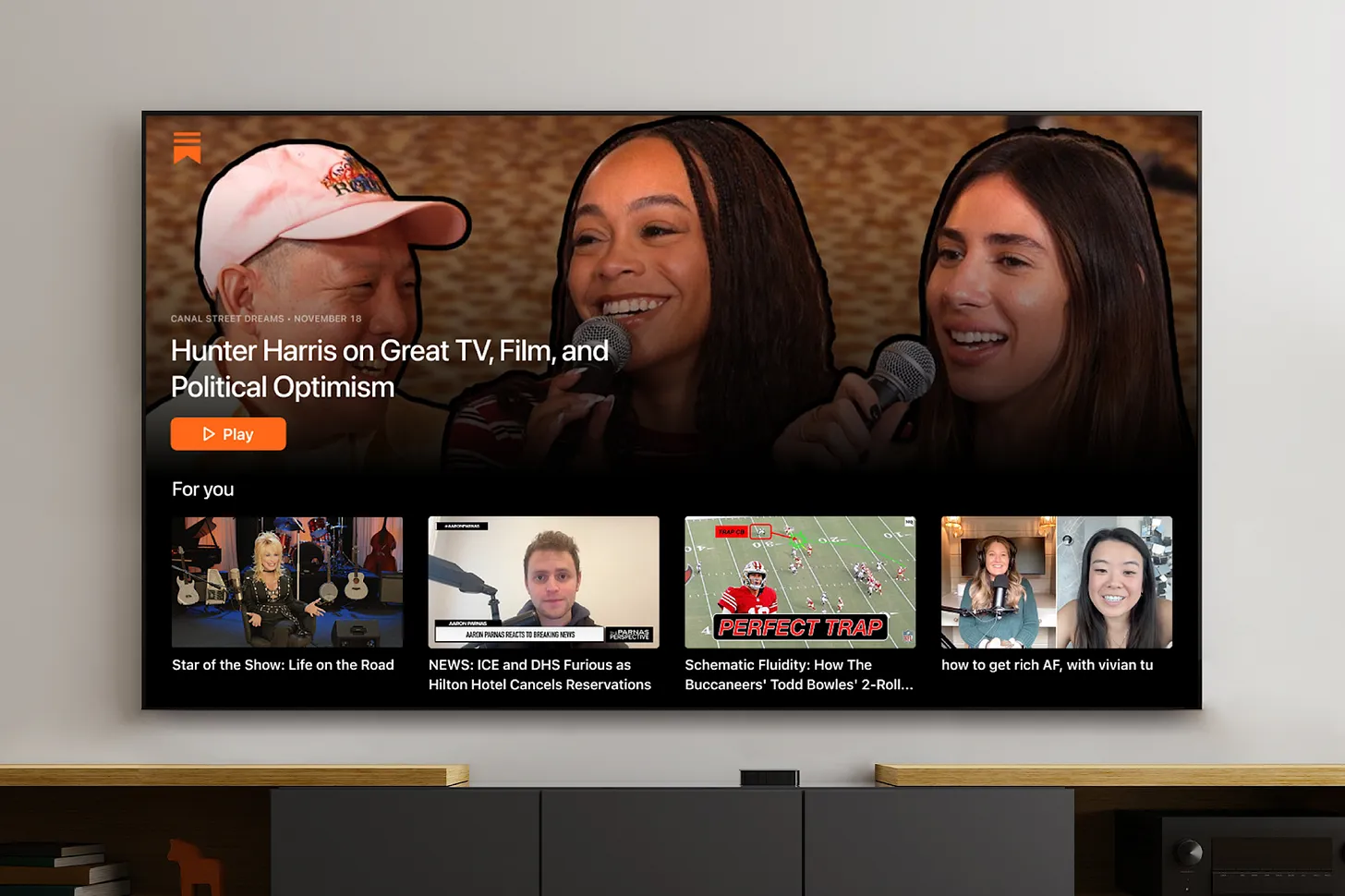
Substack says it plans to add previews of paid content for free users, audio posts, read-alouds, stronger search and discovery, in-app upgrades to paid subscriptions, and dedicated creator hubs where fans can watch everything a specific writer or creator has posted.
This move builds on a longer shift. Substack introduced video posts in 2022, added monetization tools for video creators, and rolled out livestreaming across the platform. In March 2025, it added a short-form, TikTok-like video feed to its mobile app. By that point, video was no longer just an experiment. The TV app makes that direction harder to ignore.
Substack’s framing is that TV fits its long-form identity. “Substack is the home for the best longform—work creators put real care into and subscribers choose to spend time with,” the company wrote. The pitch is that watching on a larger screen feels closer to settling in for a longer session than endlessly scrolling on a phone.
 Emmanuel Oyedeji
But not everyone is convinced. Some of the most upvoted comments on Substack’s blog post pushed back, urging the company to refocus on writing instead of leaning further into video. One commenter wrote, “Please don’t do this. This isn't YouTube. Elevate the written word.” Others questioned whether the shift reflects genuine product evolution or pressure to follow broader creator-economy trends.
At the same time, Substack isn’t moving in isolation. Instagram has launched a TV experience for Reels on Amazon Fire TV, and YouTube continues to dominate connected TVs globally. The difference is Substack’s bet on subscriptions and loyalty. The company is wagering that people who already pay for creators will also want to watch them on the biggest screen in the house.
Whether that works will shape what Substack becomes next. If the TV app gains traction, Substack starts to look less like a newsletter platform and more like a full creator media network. If it doesn’t, resistance from writers and readers who value text-first publishing is likely to grow louder.
Either way, the signal is clear. Substack isn’t just expanding video. It’s expanding its idea of what a Substack creator experience is supposed to look like, and that shift carries consequences for how the platform is used and what it’s ultimately for.
 Louis Eriakha