In the wake of Tesla's Q4 2025 earnings, CEO Elon Musk delivered a eulogy. "It's kind of sad," he said on the analyst call, announcing the end of production for the Model S and Model X, the luxury vehicles that first defined Tesla as a premium electric automaker. "It's time to bring the S and X program to an end."
The last units will be built next quarter, with support promised for existing owners “for as long as people have the vehicles.” Musk framed the decision as a necessary strategic closure. “It’s time to bring the Model S and X programs to an end with an honourable discharge,” he stated, “because we’re really moving into a future that is based on autonomy.”
The ceremonial send-off is fitting, as both models represent pivotal chapters in Tesla's history. The Model S, launched in 2012, was the company's first ground-up success. It shattered perceptions of electric vehicles as niche, securing over 10,000 reservations before its first delivery and establishing Tesla as a serious automaker. The Model X, unveiled the same year but delayed until 2015 due to engineering complexities like its falcon-wing doors, proved more challenging. Musk later called it the “Fabergé egg of cars,” a luxurious but fragile statement piece that never achieved mass scale.
In recent years, both cars have faded into niche products. Musk himself acknowledged their diminished role in 2019, stating they were produced more for “sentimental reasons than anything else” and were “really of minor importance to our future.” Their final retirement had long been anticipated, but the trigger came with Tesla's latest financial results.
On Wednesday, the company reported its first-ever annual revenue decline, with sales falling 3% to $94.8 billion. Fourth-quarter revenue also dropped 3%, while vehicle deliveries plunged 16%.
“We’re gonna take the Model S and X production space in our Fremont factory and convert that into an Optimus factory,” Musk revealed on the call. The goal? To eventually produce “1 million units a year of Optimus robots” in that very space. This factory-floor conversion is the physical manifestation of Tesla's pivot.
Musk's ambitions for this new era are staggering. He touted the Optimus robot as a future product that “would be the biggest product of all time,” claiming it and autonomous vehicles could usher in “a world where there is no poverty.” He further emphasized the shift, noting, “we’re also gonna be significant manufacturers of solar cells, and we’re making massive investments in AI chips.”
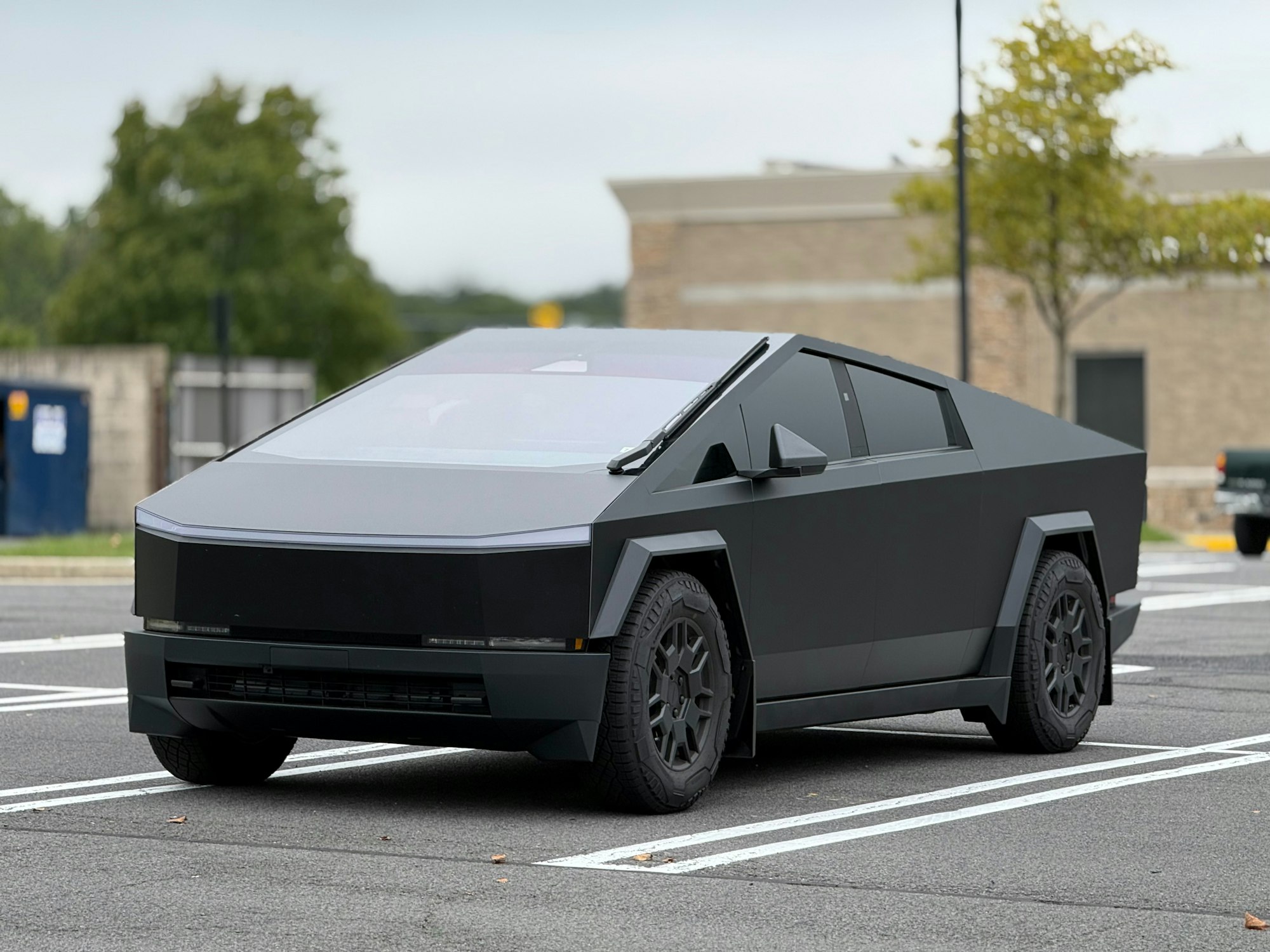
There is, however, a cautionary note. Tesla’s recent bets on revolutionary hardware, like the Cybertruck, have faced complex realities. Betting the company's future on autonomy and robots, fields fraught with technical and regulatory hurdles, raises the stakes exponentially. The honorable discharge of the Model S and X marks the point where Tesla leaves its foundational identity behind, gambling its future on a vision that remains unbuilt.
 Ogbonda Chivumnovu