



Elon Musk has been pitching a future of robotaxis, full autonomy, and AI-powered everything, as if the company is already there. Yet, the numbers tell a different story: falling revenue, shrinking profit, shaken investor confidence, and a CEO whose political entanglements are starting to cost real money.
In its latest earnings report, Tesla posted a 12% drop in revenue and a 23% hit to net income. That’s two quarters in a row of decline. Revenue fell to $22.5 billion, profit to $1.39 billion, and Tesla’s stock slid another 5% in after-hours trading.
The bigger story, though, is that Tesla’s core business, making and selling electric cars, is slowing down just as the company tries to reinvent itself.
Sales Slump But China Delivers
Tesla is still moving cars, 384,122 deliveries globally last quarter, but that figure is down 13% from last year.
Despite global headwinds, Tesla found some tailwinds in Asia. The company posted record deliveries in South Korea, Malaysia, the Philippines, and Singapore. It also opened its first showroom in India
Its Shanghai factory remains the crown jewel, accounting for nearly half of Tesla’s global deliveries in Q2. But even there, pressure is mounting. Chinese rival BYD outsold Tesla worldwide for the third consecutive quarter, tightening the grip on global EV leadership.
 Emmanuel Oyedeji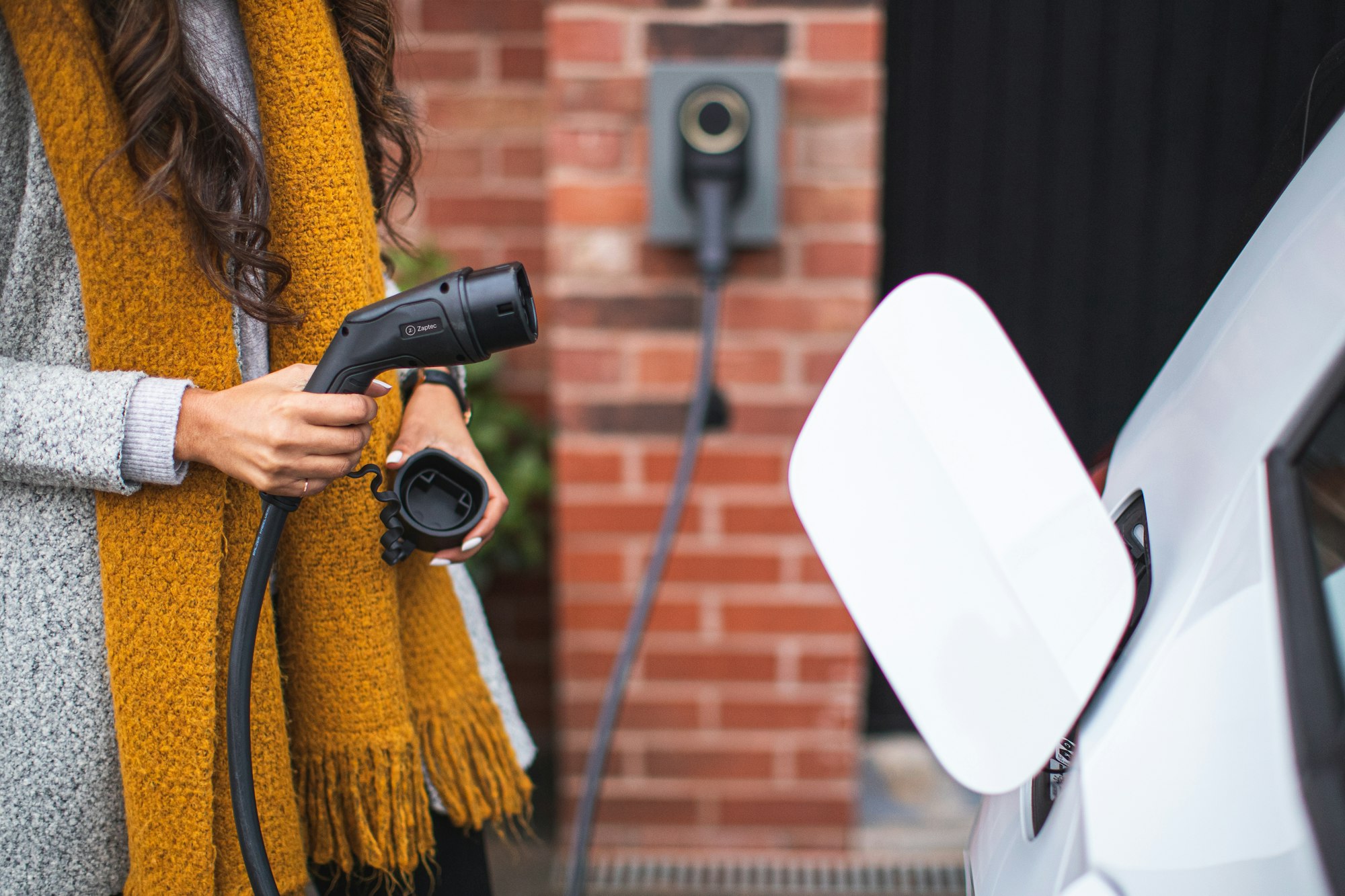
Robotaxi Dreams
Musk didn’t sugarcoat the outlook. On the earnings call, he warned of more “rough quarters” ahead, but insisted that Tesla is on track to become the world’s most valuable company, if it can scale autonomy next year. He’s betting big on the company’s investment in robotics and AI, and has made robotaxis the centrepiece of that future. But the pivot is still aspirational. The rollout so far has been limited and shown little signs of life. Tesla began offering robotaxi rides in Austin last month and introduced a driverless Model Y, which completed a 20-kilometre test run. Production of the purpose-built Cybercab is set for next year.
Tax Credit Axed, Costs Climb
While Musk sells the long game, the short-term problems are piling up. Tariffs are biting into Tesla’s U.S. business, forcing supply chain changes and delivery delays. The newly passed “Big Beautiful Bill” ends the $7,500 federal tax credit for Tesla EVs after September, a move that could undercut demand just as domestic availability is tightening. CFO Vaibhav Taneja said some U.S. orders placed after August might not be fulfilled at all. Tariffs added $300 million to Tesla’s costs last quarter, and more pain is coming.
 Oluwaseun Bamisile
More Political Nightmare
Politics are turning toxic for the brand. Musk’s open support of Trump and far-right parties in Europe has alienated customers and investors alike. Earlier this year, he briefly held a leadership role in a Trump-led government department, where he slashed federal staff and programs. Now that relationship has soured. Trump has threatened to yank billions in federal subsidies from Musk’s companies, putting Tesla in the crossfire of a feud it can’t afford.
Tesla’s autonomous push also has ground to make up. Waymo already operates fully driverless services across multiple U.S. cities. Tesla’s tech remains in early-stage testing. Musk’s confidence in Tesla’s AI roadmap hasn’t wavered, but competitors are delivering now, not just promising later.
Bright Spots
One part of the business that is quietly growing is Tesla’s Supercharger network, which expanded 18% year over year. The company added 2,900 new stalls and saw a 17% profit increase in its services and other revenue segment. It’s solid progress, but not nearly enough to offset a rough quarter or the mounting scepticism.
Tesla is trying to leap ahead without stabilising where it stands. The vision is still bold. The execution, lately, has been fragile. It remains to be seen whether Tesla can deliver on its robotaxi ambitious future without losing ground in the present.


