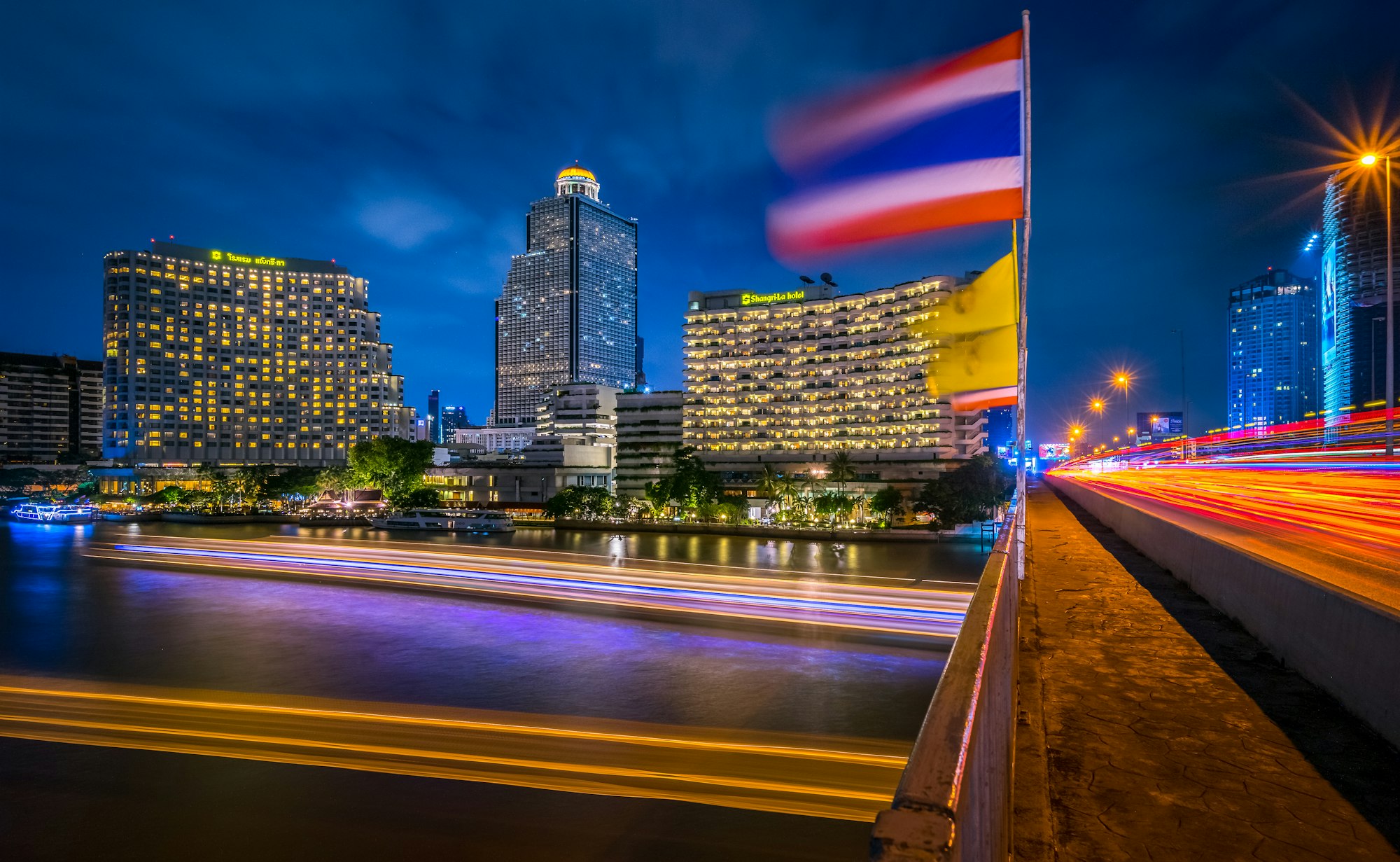
In more ways than one, Thailand has become a premier destination for tech talents due to a combination of strong government support for the digital economy, a vibrant startup ecosystem, and an attractive quality of life with a median cost of living.
Very quickly, it has become one of the top destinations for content creators, remote tech talent, online fitness coaches, founders, and others due to its Destination Thailand Visa (DTV), introduced in July 2024.
The visa allows working professionals who meet certain criteria to move to Thailand.
Here is everything we know about the DTV and how you can apply for it:
Thailand's Destination Thailand Visa (DTV) and Who It’s For

Thailand’s Destination Thailand Visa (DTV), often called the Digital Nomad Visa, is a 5-year, multi-entry visa for remote workers, freelancers, and those joining “Thai Soft Power” activities (like Muay Thai, cooking, sports, wellness) for up to 180 days per entry, extendable for another 180 days.
The DTV doesn’t permit employment with Thai companies, which means your income must come from outside Thailand or from participation in approved programmes.
Eligibility and Required Documents Checklist

Depending on the reason for obtaining the visa, whether it's for freelancing or working remotely for foreign companies and clients (which is often categorised as workcation), Thai Soft Power, or family reunion, applicants are required to show proof of remote income or enrolment, along with basic documents that validate their identity. Some of these basic documents include:
- Recent photo.
- A valid passport for at least 6 months.
- Bank statement showing a balance of at least 500,000 THB (approx. $17,000) or equivalent as financial proof.
- Proof of location, like your driver's license, bank statement, or proof of stay showing current location.
- Completed and signed application form.
Other Specific Documents
Workcation (Digital Nomad/Remote Worker/Freelancer):
- Employment contract, certificate, or professional portfolio (LinkedIn, website).
- Freelance invoices, client contracts.
- Letter from employer/client confirming remote work.
Thai Soft Power:
- Letter of acceptance/enrollment from the organizing institute (Muay Thai, culinary, medical treatment).
- Proof of participation in activities for at least 6 months.
Family (Spouse/Child of DTV holder):
- Proof of relationship (marriage/birth certificate).
- Copy of the main DTV holder's passport/visa.
- Financial proof and proof of relationship from the DTV holder.
Step-by-Step: How to Apply for the Thailand Destination Thailand Visa (DTV)

Once you’ve gone through the eligibility criteria and confirmed where you fit in as a tech influencer, which in most cases will fall under the Workcation (Digital Nomad or Freelancer) category, the next step is understanding how the application process actually works from start to finish. Here’s how to approach it:
Step 1: Gather the required documents
Before you start the application, make sure you have all your documents ready. This includes a valid passport, proof of remote work or freelance income, bank statements showing sufficient funds, and any supporting documents that confirm your work arrangement or professional activity.
Step 2: Apply via the Thai e-Visa portal
With your documents in place, you can submit your application through Thailand’s official e-Visa website or through a Thai embassy or consulate. You’ll select the Destination Thailand Visa (DTV), choose the Workcation category, upload your documents, and complete the required personal and travel details.
Step 3: Pay and track your application
After submitting your application, you’ll be required to pay the visa fee online. The exact amount varies depending on your country of application. The fees vary between ฿8,624 to over ฿36,000 ($275 - $1,200). You can confirm the current fee for your country through the e-Visa portal or the Thai embassy handling your application. Once payment is completed, you can track your application status online while it’s being reviewed.
Step 4: Receive your visa and enter Thailand
If your application is approved, you’ll receive your visa electronically. You can then travel to Thailand and present the visa upon arrival. The DTV allows you to stay for up to 180 days per entry, with the option to extend your stay once inside the country if you want to remain longer.
How Much Does the Thailand Destination Thailand Visa (DTV) Cost?

Fees differ depending on where you apply from. Usually, for places like Ho Chi Minh City, it is around ฿12,000-฿13,000 (roughly around $340), while other regions, like India, see fees around ฿8,700 ($ 280), but expect variations from ฿8,624 to over ฿36,000 ($275 - $1,200), often paid in USD or your local currency. To be sure, before applying, you can check your country's embassy for exact rates.
How Long Does the Process Take?

Normally, it takes about 5-10 working days for approval, although this can be prolonged to several weeks, like 2-4 weeks, depending on the specific Thai Embassy or Consulate being used for your application or if there are requests for additional documents. The cost is around ฿8,624 to over ฿36,000 ($275 - $1,200), but fees can differ slightly by country and are paid online.
Why Thailand Destination Thailand Visa (DTV) Applications Get Rejected
Most often, the cause of rejection is due to one of the following reasons:
- Insufficient financial evidence or documentation.
- Missing or incomplete documentation.
- Inconsistent or inaccurate information on your application.
Bringing Your Family: Dependants and Long-Term Visit Passes

Family members can also be included under the Destination Thailand Visa (DTV), permitting primary holders to bring their spouse and dependent children (under 20 years old) to Thailand as dependents.
However, each family member must apply separately and meet the requirements, including proving financial sufficiency for each dependent. It offers the same 5-year validity and 180-day stay per entry (extendable) as the main holder, which makes it ideal if you want to bring family members along.
It requires:
- Separate Applications: Each dependent family member needs to submit their own DTV application and pay their own visa fees.
- Documentation: You'll need to provide proof of relationship, such as marriage certificates for spouses and birth certificates for children.
- Financial Proof: The primary applicant must demonstrate sufficient funds (e.g., ฿500,000 ($15,800) bank balance per dependent, or meet income thresholds) to support each family member.
Pathway to Permanent Residency (PR)
The Destination Thailand Visa (DTV) is not a pathway to Thai permanent residency. This is because it is only meant for short-to-medium term stays (of up to 180 days per entry) and is renewable for digital nomads, remote workers, and "soft power" enthusiasts (Muay Thai, culinary, medical).
If you want a route to Thai permanent residency, you need other long-term visas like work or business visas with a valid work permit for 3 years, and meeting income thresholds of about ฿80,000 ($2,555) per month for unmarried people or people without dependents.
 David Adubiina