



In the last decade, immigrating to new countries was not as strict as it has become. Rising anti-immigration politics in Western countries made it harder for many in search of greener pastures or just really a change of environment to relocate.
Nonetheless, that doesn’t mean you can’t travel or relocate if you want to. As global demand for skilled tech talent continues to outpace local supply, some countries have adjusted their immigration pathways to attract talent rather than deter them.
And as such, we have researched and collated this ranking list to highlight the countries that remain relatively accessible in 2026, places where tech talent is not just welcomed, but actively sought after.
Here are the top 10 countries where tech professionals still have a realistic, well-defined path to working and settling abroad in 2026.
1. Canada

At the top of this list is Canada, it is one of the countries renowned for its welcoming immigration policy, a nice perk of its Express Entry Visa, which attracts skilled professionals, entrepreneurs, and investors. It also offers a faster path to Permanent Residency (PR) without needing a job offer upfront, focusing on points for age, skills, language, and education, making it easier for skilled individuals to enter directly.
Key Requirements and Eligibility
Application cost: Mandatory government fees of $1,525 CAD ($1,110) per adult (entails processing + right of permanent residence fee).
Visa Validity and Duration: Up to 12 months (1 year), after which you get an Invitation to Apply (ITA) and submit a full application for Permanent Residence. The visa can also be extended to five years.
Proof of Fund: $15k CAD ($10,900) for one person
Family Inclusion: Allows family inclusion but with extra costs.
2. Ecuador

Ecuador is considered one of the easiest countries in Latin America to obtain a work visa. This is because, amongst its many visa schemes, the Professional Visa has a low entry barrier, which makes it easy for tech professionals to work and explore the opportunities the country has to offer.
With just a bachelor's degree and $400, you can qualify for the “Professional Visa” that allows you to work and stay in the country.
Key Requirements and Eligibility
Application cost: $50 and a $400 visa issuance fee upon approval ($450).
Duration: Up to 24 months (2 years), after which you can renew. and apply for Permanent Residency, but only after 21 months of continuous stay.
Proof of Fund: Minimum income requirement is around $470/month.
Family Inclusion: Allows family inclusion but with extra costs.
3. Germany

In terms of skilled labour, Germany boasts the largest pool in Europe, with roughly 42 million workers. The job market is increasingly diverse and open to immigrants, thanks to the new “Opportunity Card,” which lets foreign nationals explore employment without a job offer in the country.
Also known as Chancenkarte, it is a residence permit for skilled non-EU workers to enter Germany for up to 12 months to find a qualified job without needing a job offer first. It requires proof of sufficient funds, at least two years of vocational training or a university degree, and basic German (A1) or English (B2) skills, plus a points-based system for other factors, or full recognition as a skilled worker to qualify.
Key Requirements and Eligibility
Application cost: €75 ($88) visa fee, which you have to pay at the German embassy/consulate.
Duration: Up to 12 months (1 year) to find employment, after which can be extended by 2 more years when you have secured a job.
Proof of Fund: Minimum €1,091 ($1,275) per month in a blocked account for your stay.
Family Inclusion: Allows family inclusion but with extra costs and language requirements.
4. Austria

Austria has built a solid reputation in the tech industry, powered by its manufacturing sector, strong ICT infrastructure, and a thriving deep-tech startup scene. This growth is further supported by the Red-White-Red Card program, designed to attract highly skilled professionals from non-EU countries.
The card offers a combined residence and work permit for long-term employment in shortage occupations or for exceptionally qualified talent, though it requires a valid job offer. Applicants must meet specific criteria and earn points across categories such as education, professional experience, age, and language proficiency.
Key Requirements and Eligibility
Application cost: Around €160 ($187) for adults.
Duration: Up to 24 months (2 years) for a specific employer, after which you can transition to the plus version with an extension of 3 years.
Proof of Fund: Minimum of €3,465 ($4,050) income per month
Family Inclusion: Allows family inclusion, but with extra costs and language requirements, among other things.
5. Sweden

Often called the “European Silicon Valley,” Sweden stands out as a global tech powerhouse, home to unicorns like Spotify, Klarna, and Mojang (Minecraft). Its strong digital infrastructure, dynamic startup ecosystem, and leadership in fintech, AI, green tech, and mobile innovation are fueled by government support, cutting-edge research, and a culture of entrepreneurship.
Among its visa initiatives is the Job Seeker Residence Permit, designed for non-EU/EEA/Swiss citizens with at least a Master’s-level qualification who want to explore job opportunities or launch a business in Sweden. The permit is valid for three months, with possible extensions—requires proof of financial self-sufficiency, a valid passport, health insurance, and evidence of advanced education.
Key Requirements and Eligibility
Application cost: About SEK 2,000 ($200).
Duration: Up to 9 months, depending on the individual's circumstances and application, after which can be extended if a job is secured.
Proof of Fund: Minimum of SEK 13,000 ($1414) per month.
Family Inclusion: The Swedish Job Seeker Visa doesn’t allow family members during the initial job search, but once employment and a work permit are secured, family reunification can be applied for.
6. Spain

In recent years, Spain has stepped up its game, especially with reforms aimed at attracting global talent. One of its more flexible pathways is the Job Seeker Residence Authorization, designed for non-EU graduates and skilled professionals who want to find work or start a business.
While traditionally tied to recent graduates from Spanish institutions, newer reforms have widened access, particularly for tech professionals with in-demand skills. Once employment is secured, the transition to a work residence permit is relatively smooth.
Key Requirements and Eligibility
Application cost: Around €80–€150 ($93- $175).
Duration: Up to 12 months.
Proof of Fund: Roughly €600 ($701) per month or €7,200 ($8,420) annually
Family Inclusion: The Spain Job Seeker Visa does not automatically allow family inclusion unless family reunification requirements are met.
7. Netherlands

The Netherlands remains one of Europe’s most attractive tech hubs, thanks to companies like ASML, Booking.com, and a strong startup culture. For non-EU citizens, the Orientation Year (Zoekjaar) Visa offers a practical entry point.
This permit allows highly educated individuals to stay in the country for up to one year to look for work or start a business, without requiring sponsorship upfront. It’s particularly popular among tech professionals because it increases the chances of one’s stay in the country after their education program.
Key Requirements and Eligibility
Application cost: Around €254 ($297).
Duration: Up to 12 months.
Proof of Fund: You do not have to submit proof of your financial situation.
Family Inclusion: Allowed, but they must apply for their own separate residence permits through a process known as family reunification.
8. Denmark

Denmark is one of those countries working to boost its economy through various strategies and policies, one of which is the Positive List visa.
This visa provides an expedited pathway for non-EU citizens who secure job offers in sectors experiencing labour shortages in Denmark. It applies to both highly qualified roles, such as IT engineers and consultants, and skilled trades like technicians and blacksmiths. The program makes applying easier and opens doors to residency and a stable future.
Key Requirements and Eligibility
Application cost: Around €800-€915 ($935 - $1,070).
Duration: Up to 4 years, with the possibility of extension.
Proof of Fund: Around DKK 514,000 ($80,390) annually.
Family Inclusion: Allow family inclusion provided the main applicant meets support requirements, and all families meet standard conditions for family reunification.
9. Estonia

Estonia is among the easiest European countries to secure a work visa, boasting an impressive 87% approval rate. This Baltic nation, with its scenic coastline, is fast becoming a hub for digital nomads, blending rich history with cutting-edge innovation.
For many applicants, the Type D visa is the simplest route for short-term employment, while also offering the flexibility to transition into a residence permit for longer stays.
Key Requirements and Eligibility for Type D Visa
Application cost: Around €120 ($140).
Duration: Up to 12 months and can be renewed.
Proof of Fund: Minimum of €1,200/month ($1,400) for general work, €800/month ($935) for start-up/seasonal work, €800/month for studies ($935), or €4,500/month ($5,260) for digital nomads.
Family Inclusion: Allowed, but with the criteria that family members must apply for their own individual D-visas or residence permits.
10. United Arab Emirates (UAE)
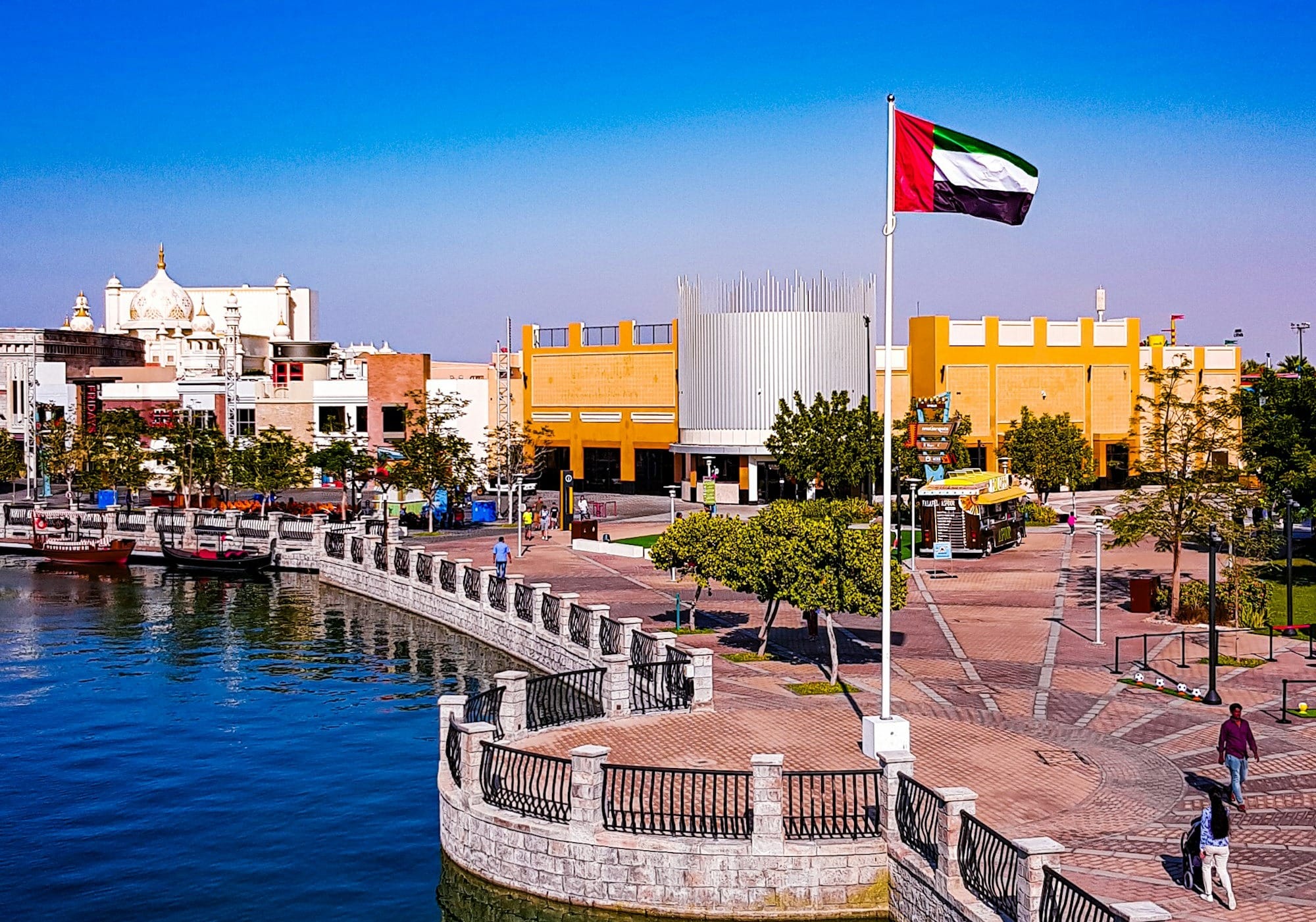
The UAE’s rapid transformation into a futuristic global hub has made it an increasingly attractive destination for tech professionals looking to relocate. With major investments in AI, fintech, blockchain, and smart infrastructure, the country has shifted from being purely opportunity-driven to actively talent-focused.
One of the clearest signals of this shift is the unsponsored Job Exploration Entry Visa, often referred to as the Job Seeker Visa. It allows skilled professionals to enter the UAE for 60, 90, or 120 days to search for work without needing a job offer or local sponsor upfront. Eligibility is tied to qualifications, such as graduating from a top-ranked university or meeting specific professional criteria.
Key Requirements and Eligibility for Type D Visa
Application cost: Around AED 550-800+ ($149 - $229).
Duration: Offers validity for either 60, 90, or 120 days, chosen based on the applicant's eligibility and career plan.
Proof of Fund: Around AED 10,000 (approx. $ 4,000 to $ 10,000).
Family Inclusion: Does not allow for immediate family inclusion on the same visa.
 David Adubiina