



Ever dreamed of working from a beach in Bali, a café in Lisbon, or a mountain lodge in Georgia? In 2025, the digital nomad lifestyle is the reality for millions.
According to MBO Partners, the U.S. alone had 17.3 million digital nomads in 2023, with over 3 million self-employed and the rest working remotely for outside employers. Governments worldwide are competing to attract them, and the number of countries offering nomad visas has doubled in recent years.
These visas let you legally stay and work remotely in another country while continuing to earn from anywhere else in the world.
 Louis Eriakha
What Is a Digital Nomad Visa?
A digital nomad visa, also known as a remote‑work visa, allows you to live in a country temporarily while working remotely for an employer or clients abroad.
Unlike tourist visas, these programs are designed specifically for remote professionals, often offering residency, legal protection, tax benefits, and family inclusion. As of 2025, over 50 countries offer such visas, up sharply from just 40 in 2022.
Top 10 Digital Nomad Visa Destinations in 2025
/1. Portugal

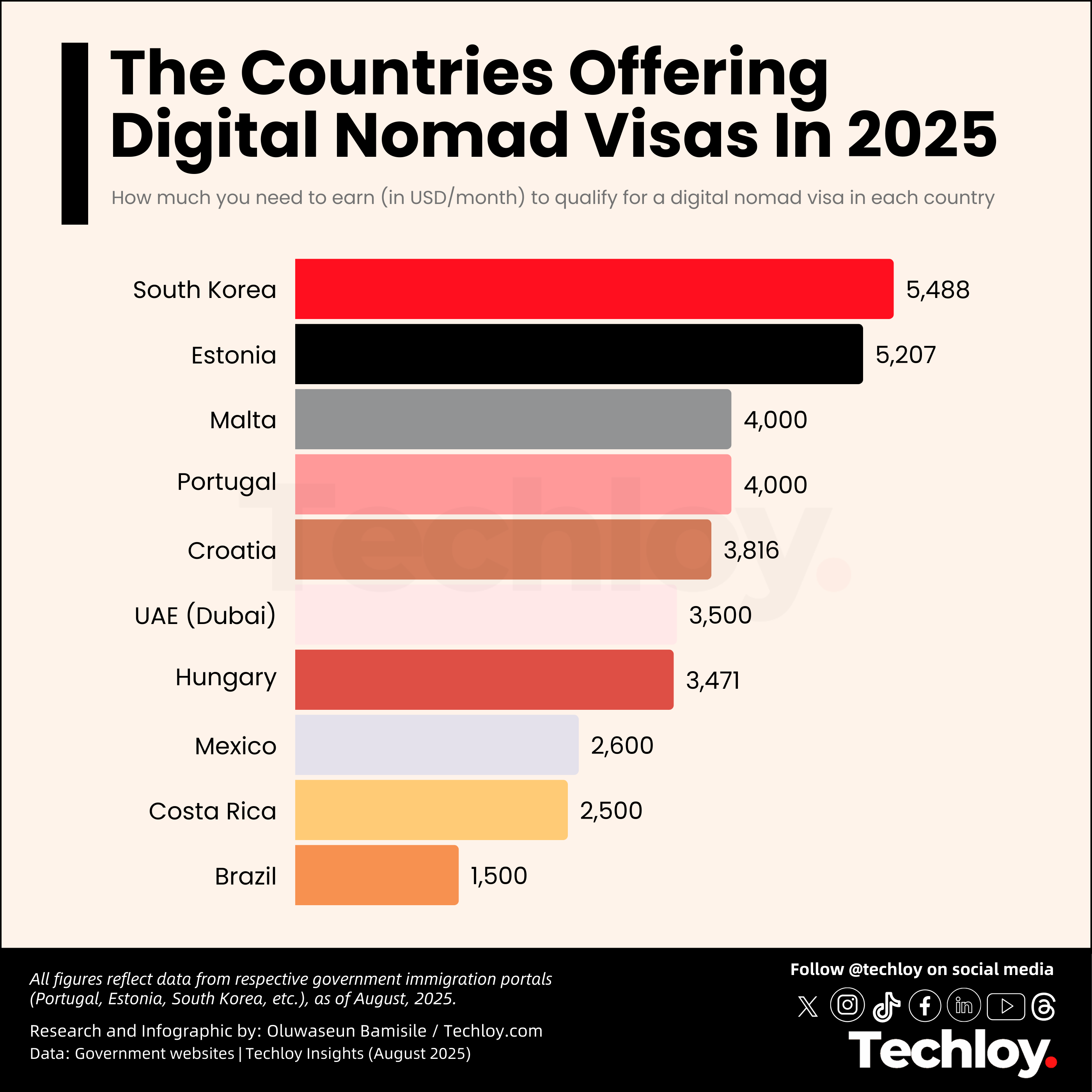
Portugal’s Remote Work Visa (D8 Visa) is one of the most popular options. Applicants must show a monthly income of around €3,480 or $4,000 and some savings.
It grants one year of legal residency that can be renewed up to five years, with eligibility for permanent residency or citizenship after continuous stay. Portugal ranked top among digital nomad destinations thanks to its visa benefits, quality of life, and affordable cost of living.
/2. Estonia

Estonia was the first country to offer an official digital nomad visa. With excellent internet, e‑Residency services, and a vibrant digital community, Estonia asks for a minimum income of about €4,500 or $5,207 per month. The visa lasts up to a year, and renewal is possible depending on eligibility, though it doesn’t lead directly to permanent residency.
/3. Malta

Malta’s Nomad Residence Permit is designed for remote employees, freelancers, and entrepreneurs. The visa is initially valid for one year and can be renewed for up to three additional years.
Applicants must earn a gross yearly income of at least €42,000 or $48,605. Malta offers a sunny Mediterranean lifestyle, English as an official language, and a cost-of-living index of around 55.
/4. Hungary

Hungary’s “White Card” allows freelancers and entrepreneurs to live and work remotely for up to two years (initial one-year permit, extendable). Applicants need a minimum income of €3,000 or $3,471 per month, and family inclusion isn’t allowed. Budapest offers affordability and fast internet speeds, which are quite attractive to remote workers.
/5. Costa Rica
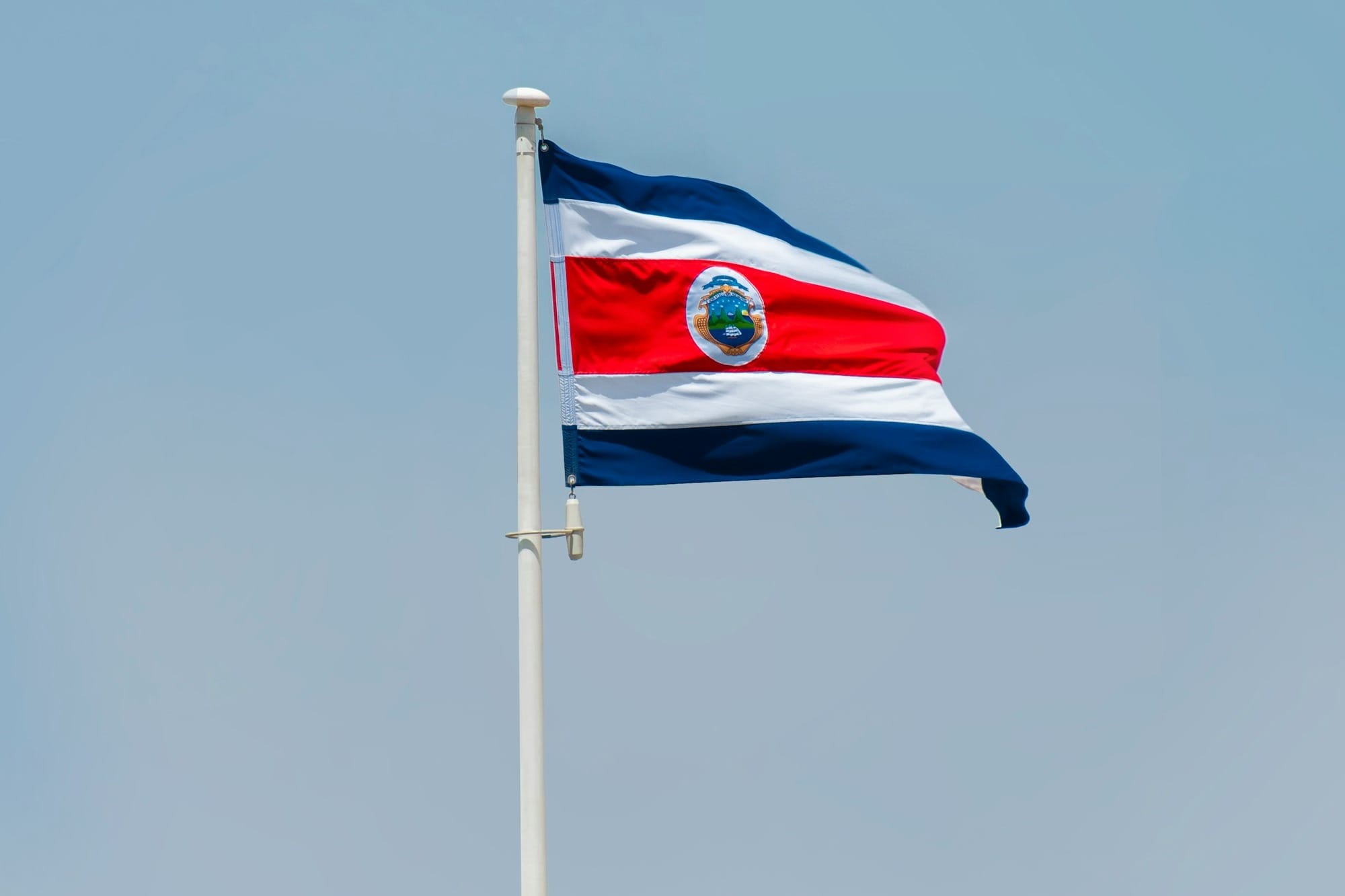
Costa Rica’s Rentista or Remote Work Visa lets you stay for up to two years, tax‑exempt on foreign income. Salary requirements include $2,500 monthly for individuals or $4,000 monthly for families for over two years.
The country is known for its lush landscapes, stable Wi‑Fi in urban centres, and a cost of living falling in the mid‑range.
/6. United Arab Emirates (Dubai)

Dubai’s Virtual Working Programme offers a one‑year visa for professionals earning a minimum of $42,000 per year. It combines luxury, tax‑free foreign income, world‑class infrastructure, and no personal income tax. Highly attractive for those seeking a cosmopolitan life and fast connectivity.
/7. Croatia

Croatia allows digital nomads to stay for one year with its residence permit and exempts them from paying local income tax. The income threshold is about €3,295 ($3,816) per month or savings of €39,540 ($45,791). Rent is quite affordable, and the Adriatic coast creates an appealing lifestyle mix.
/8. Mexico

Mexico’s Temporary Resident Visa isn’t labelled strictly “digital nomad,” but remote workers can qualify under its terms. It’s valid from six months to four years, with requirements around $2,600 per month of foreign income. Cities like Mexico City, Playa del Carmen, and Oaxaca offer great nomad infrastructure and affordability.
/9. South Korea

South Korea’s Workation Visa (F‑1‑D), launched in January 2024, is valid for up to two years with extensions. Applicants must earn at least $65,860 annually, have health insurance, one year of remote work experience, and meet other criteria. Dependents are allowed, and processing takes about 10‑15 days.
/10. Brazil

Brazil offers a digital nomad visa valid for up to two years with a renewable system. Applicants must prove foreign income of at least $1,500/month or savings of $18,000. Brazil’s cities, like Florianopolis, feature active nomad communities, an affordable cost of living, and a strong cultural appeal.
 Loy Okezie
Conclusion
Choosing the right destination as a digital nomad in 2025 is both strategic and personal. Whether you prioritize affordability, climate, language, tax perks, or visa flexibility, there’s something here for every type of remote worker.
From Portugal’s EU access to Brazil’s community vibe, these programs offer legal structure, lifestyle benefits, and financial ease for remote professionals.


