



In the rapidly evolving landscape of aesthetic surgery, the quest for the most natural and least invasive procedure has led to groundbreaking advancements. For individuals considering a hair transplant in Turkey, the primary concern is no longer just getting more hair, but rather how that hair is implanted to ensure maximum density and zero detectable scarring.
Among the various methodologies available, the DHI (Direct Hair Implantation) hair transplant has emerged as a gold standard for precision, offering a direct approach that bypasses many of the traditional steps found in older techniques.
The DHI Mechanism: Direct Implantation for Superior Density
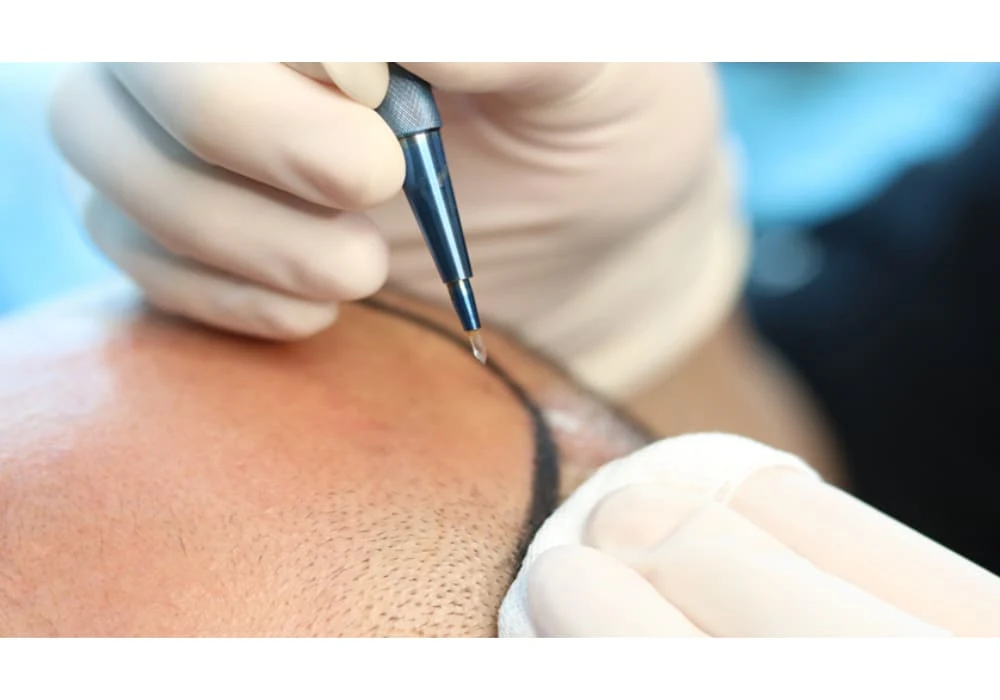
The fundamental difference between traditional FUE and a DHI hair transplant Turkey lies in the implantation phase. In a standard procedure, the surgeon must first open channels (incisions) in the recipient area and then place the grafts into these channels using forceps. DHI eliminates the channel-opening step entirely. By using a specialized medical tool known as the Choi Implanter Pen, the surgeon can load the hair follicle into the needle and implant it directly into the scalp in one single movement.
This direct method offers several biological advantages. First, the time the follicles spend outside the body is significantly reduced, which drastically increases the graft survival rate. Second, because there are no pre-cut channels, there is less bleeding and trauma to the scalp tissue. This translates to a much faster healing process — often referred to as a weekend recovery — allowing patients to return to their normal lives almost immediately after their procedure.
Furthermore, the Choi Pen allows for unparalleled control over the depth, angle, and direction of each hair follicle. This is particularly crucial for creating a natural-looking hairline, where the angle of hair growth changes millimetrically across the forehead. Surgeons using different needle sizes can match the thickness of each patient's unique hair, ensuring that the transition from the forehead to the crown is seamless and aesthetically precise.
Why Turkey Has Become a Global Hub for DHI Procedures
One of the most significant barriers for people considering hair restoration surgery is the prospect of shaving their entire head. This is where a DHI hair transplant in Turkey offers a particularly compelling solution. Because DHI does not require the opening of wide channels, it is the ideal technique for unshaven hair transplants. Patients can keep their existing hair long, and the surgeon can navigate between the original strands to fill in thinning spots — making the procedure almost invisible to the public eye from day one.
The mastery of this no-shave approach has made Turkey a magnet for high-profile professionals, public figures, and women who cannot afford the social downtime associated with a shaved head. However, performing DHI on an unshaven scalp is significantly more difficult than a standard transplant. It requires a team of highly synchronized technicians and a lead surgeon with a steady hand and years of specialized training. The concentration of such high-level expertise in Istanbul is what has solidified the city's reputation as a world-class medical hub for hair restoration.
Beyond technique, Turkey's appeal is also driven by its combination of internationally accredited clinics, competitive pricing, and established medical tourism infrastructure. Istanbul in particular offers patients access to experienced surgical teams, cutting-edge equipment, and comprehensive care packages — all within a city that is highly accessible from Europe, the Middle East, and beyond.
Long-Term Outcomes: Density, Health, and Longevity
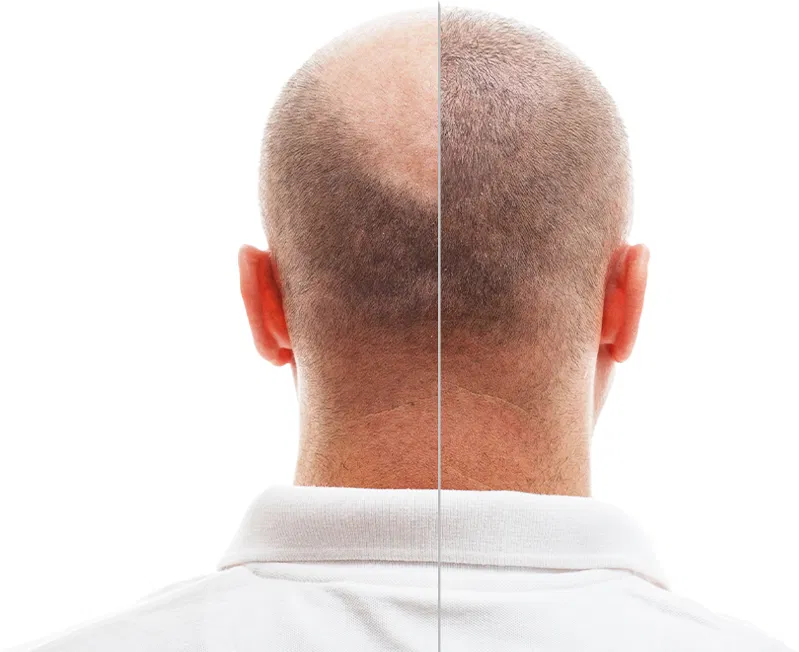
Ultimately, the success of a DHI hair transplant is measured by how it looks twelve months post-operation. Because the DHI technique allows for a much higher density of implantation — more grafts per square centimeter — the final result often appears significantly thicker than what can be achieved with other methods. This is especially important for patients with fine hair or those who have limited donor areas and need to make every single graft count.
The health of the scalp post-surgery is another area where DHI stands out. Traditional methods can sometimes leave small pitting or scarring at the site of the incisions. With the Choi Pen, the trauma is so minimal that the skin retains its original texture and elasticity. This is vital not only for the appearance of the hair but also for the long-term health of the underlying tissue. A healthy scalp environment ensures that the transplanted hair will continue to grow strongly for decades to come.
Post-operative care also plays a critical role in the success of DHI procedures. Reputable clinics typically offer follow-up programs using high-resolution digital imaging to track the growth of implanted grafts. Personalized advice on nutrition, hair care products, and supplemental treatments such as PRP (Platelet-Rich Plasma) therapy can further optimize outcomes. Patients who combine a well-executed DHI procedure with informed aftercare consistently report the best long-term results.
Conclusion: DHI as the Future of Hair Restoration
The evolution of hair restoration has found a defining expression in the DHI method. By eliminating unnecessary trauma and focusing on the microscopic precision of the Choi Implanter, the DHI hair transplant offers a pathway to restoration that is as discreet as it is effective. Whether motivated by the no-shave possibility or the promise of maximum density, patients who choose a DHI procedure in Turkey are positioning themselves at the forefront of global surgical innovation.
As this technique continues to grow in adoption worldwide, Turkey remains a leading destination — not only because of its cost advantages, but because of the depth of clinical expertise and infrastructure that has been built around this specialized form of hair restoration. For anyone researching their options, understanding the mechanics and benefits of DHI is an essential first step toward making a well-informed decision.


