



The internet is one of the most convenient things in the world. Groceries in minutes, one-day delivery, too-good-to-be-true personalized recommendations, and so on. You don’t type in a password, but you can access everything. Things are fast, smooth, and effortless.
But there’s a cost: your privacy.
Every tap on your devices is a potential giveaway of your privacy. Now, if you’re curious how your convenience and privacy are connected, then let’s take a look at their trade-off.
Convenience Depends on Data
Most online convenience apps work heavily with data about you, including your age, interests, preferences, culture, and so on.
An app can offer convenience only when it can remember your preferences, predict your wants, or remove friction from daily tasks.
And this is possible only when they have access to data like your browsing history, past purchases, location patterns, search behavior, social interactions, device identifiers, and engagement habits.
The personalization you get on apps comes at the cost of your data. In summary, it’s surveillance, but people think it is a service. However, it’s not always harmful to the same extent.
Free Internet is Never Free
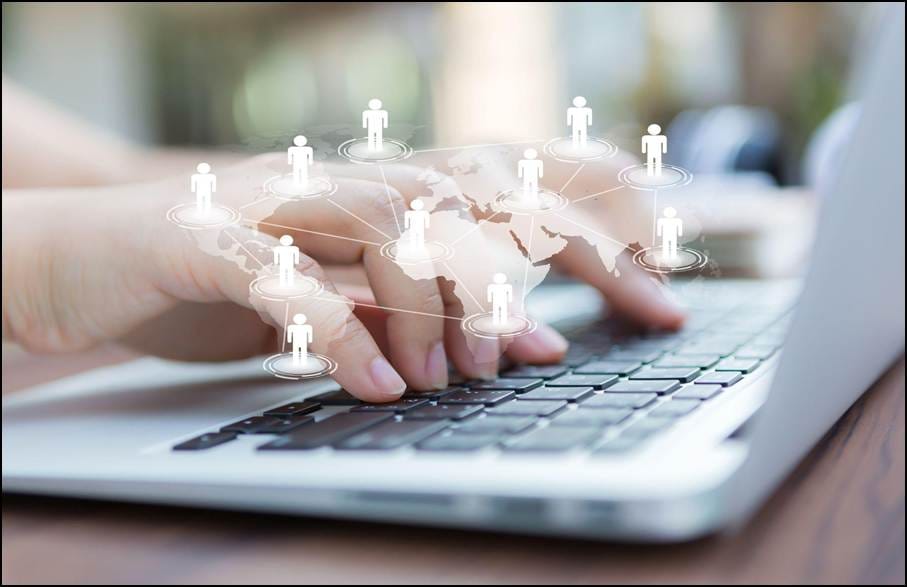
Most think that the web, search engines, social media platforms, and other apps are all free and don’t cost anything to use.
In reality, they use a different currency: Your personal data and attention. In such business models, you use a free service, and the service collects behavioral information. This data is used to target ads or train algorithms, and advertisers pay for access to you.
Here, you’re no customer. You’re the product businesses are chasing. Your details are sold on the low, and you’re shown to think they cater to you.
Reasons People Choose Convenience
Irrespective of data privacy awareness, most people prioritize convenience as they get access to speed, simplicity, comfort, automation, personalized experiences, and less mental effort.
On the flip side, maintaining data privacy does not show immediate results or convenience. After all, the risks are not tangible or immediate either. This makes users waver and choose convenience.
Usually, people give in to one-click checkout, rewards, and entertainment instead of long-term security. This makes the trade-off appear non-existent.
Perception of Privacy
Another reason people usually ignore privacy is because of the misconception that privacy only matters if you have something to hide. It’s often taken as secrecy and not personal agency.
But in reality, it can help you exist without being constantly profiled, communicate without surveillance, explore ideas without judgment, and control what parts of yourself are monetized.
Common Examples of Privacy-Convenience Trade-Off
- Location Services: Maps can serve you in real-time only if you switch on location services. You need to put the address on the delivery apps. Location adding can also show local content online.
- Smart or Voice Assistants: Though convenient, they listen to you, store data, and process personal speech patterns.
- Password-Free Logins: While biometrics and saved passwords ensure a frictionless experience, they make access centralized. This increases breach risks.
- Personalized Feeds: Everyone prefers personalized feeds on app ads that they feel curated. But this happens only because they track things you watch, click, pause, or ignore.
Privacy is Designed to Be Hard
Most platforms discourage privacy priority in roundabout ways. Sometimes, the settings are buried deep in menus, confusing or vague, turned off by default, or full of manipulative wording.
They intentionally do so, users give up midway, and companies can easily collect data.
Why Use a VPN for Control
People are growing more and more wary of digital tracking and seek tools to restore privacy. A common option is a VPN. It encrypts the internet connection and helps mask the IP address from websites, networks, and some location-based profiling.
However, it will be wrong to assume VPNs can eliminate all forms of tracking. Apps can collect data through logins, cookies, and device identifiers. But VPN minimizes exposure to public Wi-Fi, traveling, or other forms of passive data collection.
If you can’t pick the right VPN, compare options on guides like VPNPro and go for one that suits your goals and budget.
Conclusion
Convenience offers short-term satisfaction, but the consequences are long-term and irreversible. You get more invasive advertising, manipulative recommendation loops, price discrimination based on behavior, increased vulnerability to breaches, loss of anonymity, and profiling by data brokers. To avoid it all, consider investing in a VPN now.


