In a major policy reversal confirmed by President Trump on Monday, the United States will allow Nvidia to resume exports of its high-performance H200 AI chips to China. But access to the world's second-largest economy comes with a steep price tag: a 25% tariff on all sales, paid directly to the U.S. Treasury.
The decision marks a pivot from the Biden-era strategy of "total denial" toward a new model of managed competition, aiming to monetize China’s insatiable demand for compute while attempting to stall the rise of domestic Chinese rivals.
According to the announcement, Nvidia—along with Intel and AMD—will be permitted to sell the H200 GPU to "approved customers" in China. The H200, while powerful, relies on the older Hopper architecture, leaving Nvidia’s cutting-edge Blackwell and future Rubin chips still strictly banned from export.
This arrangement is a more aggressive evolution of a strategy Washington has been toying with for months. As Techloy reported in August, the administration had previously floated a 15% revenue-sharing deal for lower-tier chips. The new 25% levy suggests the White House believes it can extract a higher premium for better hardware without completely driving Chinese buyers away.
The decision to reopen the door is less about tax revenue and more about regaining leverage. The total chips export bans of the last two years didn't starve China’s AI sector; they acted as an inadvertent kingmaker. By forcing Nvidia out, the U.S. effectively cleared the field for local champions, handing Huawei a monopoly that would have otherwise taken a decade to build.
Techloy previously reported that Huawei’s Ascend 910C processor had emerged as a formidable competitor, offering performance comparable to Nvidia’s banned hardware. The threat became tangible when major tech giants began defecting from the U.S. ecosystem. By October, ByteDance was reportedly switching to Huawei chips to train its massive AI models, signaling that U.S. sanctions might be accelerating, rather than stopping, China's self-sufficiency.
By flooding the market with the H200, which is superior to the Ascend 910C but inferior to the U.S.-exclusive Blackwell, Washington hopes to re-hook Chinese tech firms on Nvidia’s CUDA software ecosystem before they permanently migrate to Huawei’s platform.
While Wall Street celebrated the news—pushing Nvidia shares up in after-hours trading—the success of this deal is not guaranteed.
Nvidia, which recently hit a historic $5 trillion valuation, faces a hostile regulatory environment in Beijing. Just last month, Techloy covered China's retaliatory "guidance" which effectively shut Nvidia out of state-funded data center projects, dropping their market share in that specific sector to near zero.
 Ogbonda Chivumnovu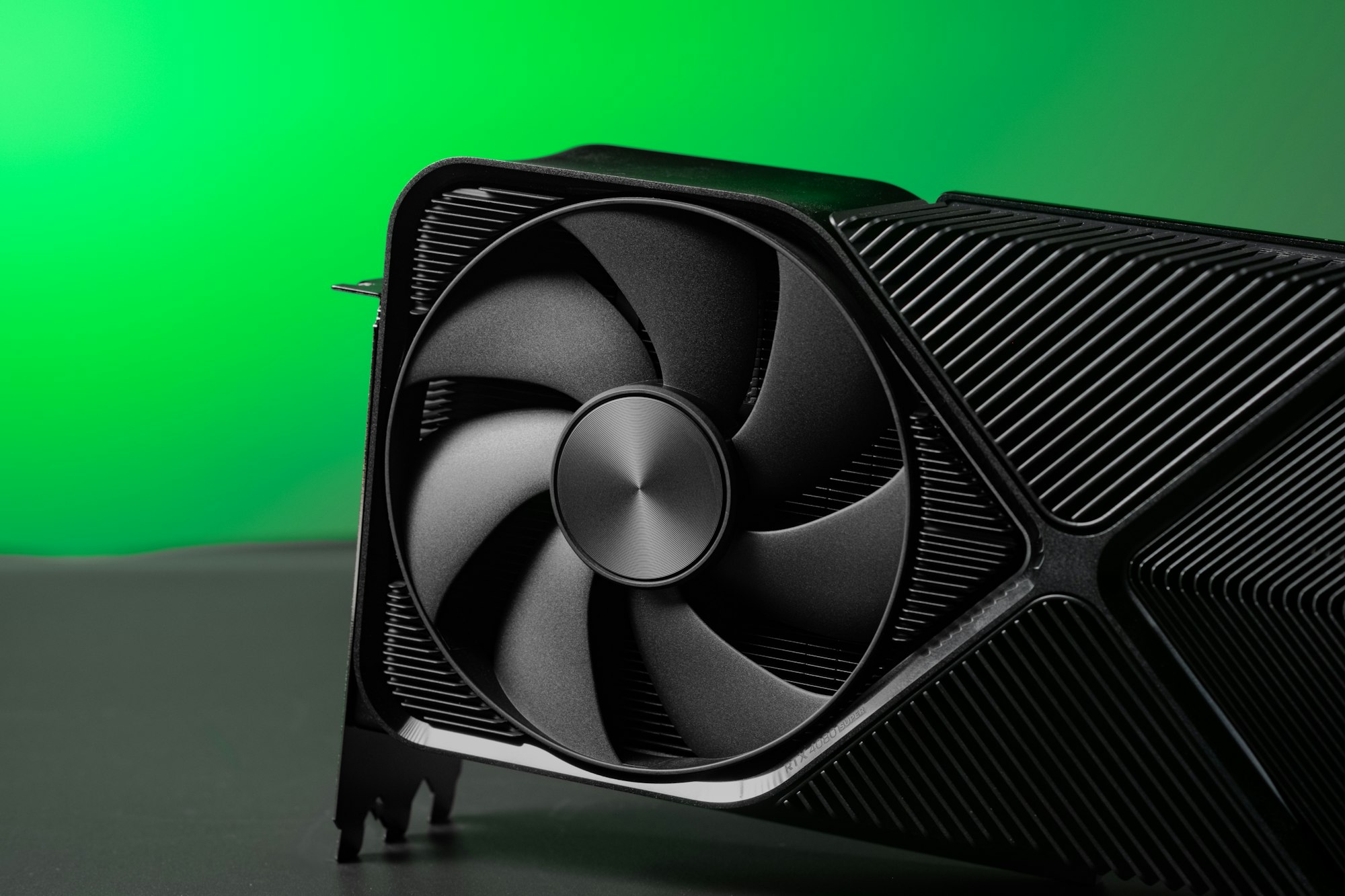
Whether Beijing will allow its "approved customers" to pay a 25% tax to the U.S. government remains the wild card. However, for Chinese tech firms starved of compute power, the H200 may be an offer they literally cannot afford to refuse.
Louis Eriakha