If you’re aiming to become a Security Compliance Engineer, you’re stepping into a role that blends technical know-how with regulatory insight. These professionals ensure that systems, processes, and data handling practices meet industry security standards, think GDPR, ISO 27001, NIST, and more. In short, they’re the people who make sure organisations don’t just build secure systems, but also follow the rules while doing so.
In an industry where a single compliance failure can lead to legal issues or huge data breaches, certifications are not nice-to-haves, they're evidence that you know how to keep systems secure and in compliance with industry regulations. Whether it's starting out or scaling up, the right certifications can put your credibility on steroids and set you up for highly respected positions.
1 – Certified Information Systems Auditor (CISA)
CISA, provided by ISACA, focuses on auditing, control, and assurance. It's particularly valuable for compliance professionals interacting with internal or external auditors.
Why it matters: Compliance work tends to include audit readiness. CISA suggests you know how to quantify security gaps and make sure controls are aligned with compliance objectives.
What it helps you achieve: Sits you ready to lead security audits, interpret evidence, and decide if controls of an organisation keep pace with regulatory systems.
Requirements: Five years of experience working in information systems auditing or control.
Cost: $575 for ISACA members, $760 for non-members.
2 – Certified in Risk and Information Systems Control (CRISC)
Yet another ISACA certification, CRISC deals with the identification and avoidance of IT and business risk through the implementation of information system controls.
Why it matters: It gives you a good foundation in the risk side of compliance, something you need to develop or review compliance programs.
What it does for you: Helps you align technical controls to business risks and ensures regulatory compliance with quantifiable results.
Requirements: Three years of experience in two or more of the four CRISC domains.
Cost: $575 for ISACA members; $760 for non-members.
3 – ISO/IEC 27001 Lead Implementer
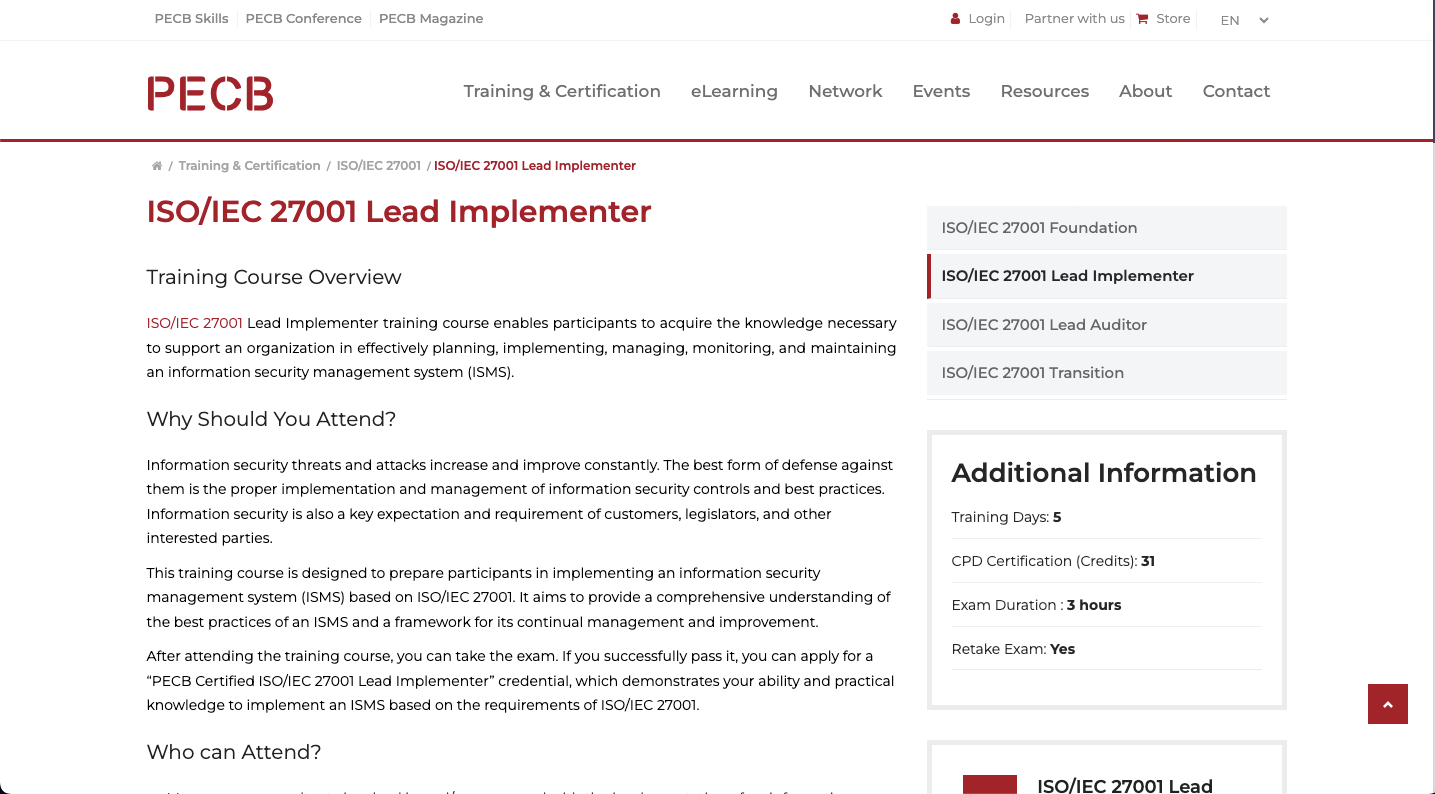
This certification covers implementing and maintaining an Information Security Management System (ISMS) on ISO 27001.
Why it matters: ISO 27001 is widely adopted as an organisations' primary compliance framework. Having this certificate demonstrates you can assist in designing and maintaining an ISMS that adheres to audit requirements.
What it enables you to do: You will be able to prepare governance documents, perform gap analysis, and liaise with auditors for ISO 27001 compliance.
Requirements: There are no formal prerequisites, but a background in ISO standards or security frameworks is highly advisable.
Cost: $500–$1,000 depending on the training firm and the exam.
4 – CompTIA Security+
This entry-level cert addresses fundamental cybersecurity topics, from threats and vulnerabilities to identity management.
Why it matters: Security+ indicates to employers that you're aware of the foundational security operations required for any compliance role.
What it helps you achieve: Puts you into entry-level compliance roles or prepares you for more advanced certs such as CISSP or CISA.
Requirements: No experience is necessary but CompTIA recommends 2 years of experience in IT with a security bias.
Cost: $425 exam fee.
5 – Certified Information Privacy Professional (CIPP/US or CIPP/E)
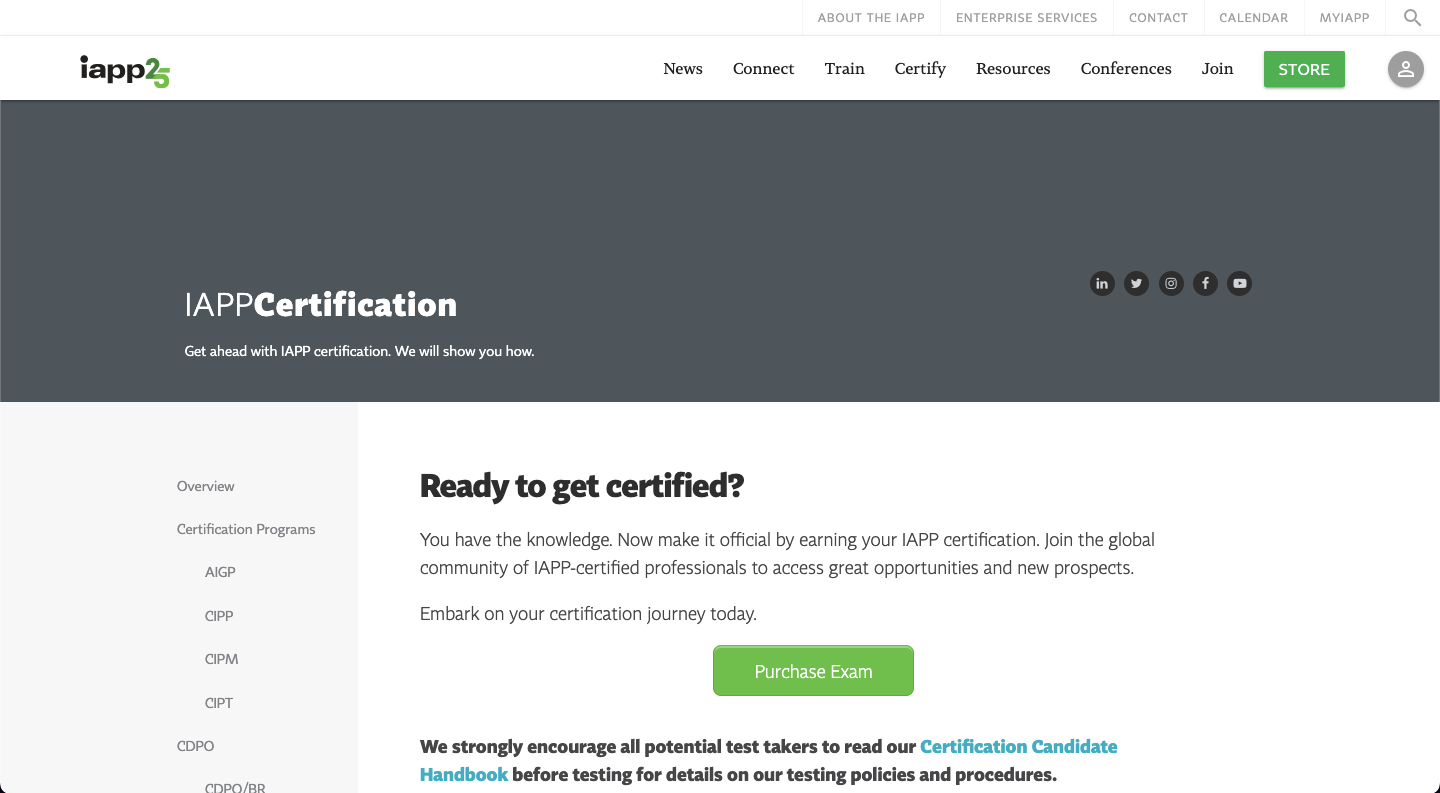
International Association of Privacy Professionals (IAPP) provides the certification of CIPP, which is focused on laws, regulations, and frameworks of privacy. You have the option to follow a region-based path, like CIPP/US (United States) or CIPP/E (Europe), depending on your industry focus.
Why it matters: Compliance engineers working on data protection regulation need to know privacy obligations as much as they need to know security controls. This certificate proves you're skilled in regulations and legal jargon, critical when working in cross-functional support environments that interact with legal and audit staff.
What it helps you do: It prepares you to analyse privacy risks, design data treatment policies, and align technical infrastructure in compliance with regional privacy regulations.
Requirements: No official experience required, but prior familiarity with privacy or compliance work is advantageous.
Cost: $550 exam fee; $250 annual membership in IAPP.
Conclusion
To be a Security Compliance Engineer is more than mastering firewalls or frameworks, it's closing the gap between regulatory requirements and technical infrastructure. These certifications help you prove to your employers that you can do just that. Whether your focus is on risk, cloud, auditing, or privacy, the right certification sharpens your credibility and extends your reach. With compliance becoming a boardroom issue, now is the time to become certified and future-proof your career.
 Ogbonda Chivumnovu