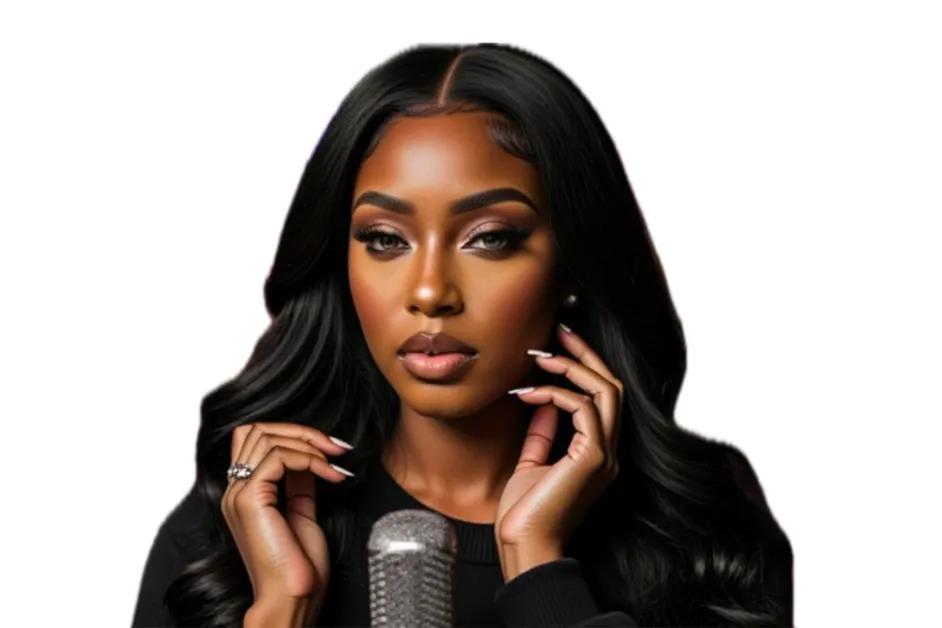
Xania Monet isn’t your typical rising R&B star. For one, she never shows her face. When label executives recently hopped on a Zoom call to talk business, she joined without video, and when they asked her to sing, she declined.
That’s not diva behavior. It’s because Xania isn’t flesh and blood. She’s an AI-crafted artist, dreamed up by Mississippi-based designer and poet Telisha “Nikki” Jones. Using the generative music platform Suno, Jones fed her poetry into the system and turned her words into full songs.
And the music industry noticed. A bidding war to sign Xania climbed as high as $3 million before Hallwood Media, led by former Interscope exec Neil Jacobson, closed a multimillion-dollar deal.
From poems to playlists
Jones, 31, runs a design studio out of Olive Branch, Mississippi. She’s been writing poetry for years, and according to her manager, Romel Murphy, about 90% of Xania’s lyrics come directly from her own life, with the rest drawn from her friends and community.
“It’s just the lyrics, and they are pure,” Murphy says. “That’s what’s catching.”
Jones grew up singing in church but admits she’s not the kind of vocalist who could have landed a record deal on her own. With Suno, she doesn’t have to be. By blending her words with AI-generated vocals, sometimes layering in live elements, she’s produced songs polished enough to chart.
And chart they did. Last week, Xania hit Billboard’s Emerging Artists list at No. 25, climbed to No. 21 on Hot Gospel Songs, and scored a No. 1 on R&B Digital Song Sales with “How Was I Supposed to Know.” In total, her catalog has racked up 9.8 million U.S. streams, with more than half (about 5.4 million) of that coming just in the last week, according to Luminate.
 Oyinebiladou Omemu
Of course, that kind of traction doesn’t come without baggage. Suno, the platform behind Xania’s sound, is facing lawsuits from major record labels over copyright infringement. That legal shadow explains why some big labels skipped the bidding war, though one major reportedly made a top offer before Hallwood Media won.
Still, Neil Jacobson sees the gamble as part of a larger shift. Earlier this year, his company also signed imoliver, another Suno-born act, whose breakout track “Stone” amassed millions of streams. For him, these aren’t novelties; they’re the future.
The bigger question isn’t whether AI artists can exist; clearly, they can. It’s whether they can scale into sustainable careers. Xania’s next test is a live performance. Plans are already in motion for her first show, though exactly how you translate an AI artist from the studio to the stage is still unclear.
A bigger shift in music
For decades, the music business has thrived on scouting talent, selling authenticity, and building stars. Now, authenticity itself is being redefined. Labels are experimenting with AI creators the way they once did with autotune or hologram tours—tools that seemed strange at first but ended up reshaping what music could be.
Xania’s story shows how fast this change is moving. In less than a year, a designer-poet with no industry pedigree built an AI artist that charted on Billboard and secured a multimillion-dollar deal. As Murphy puts it: “This is real music—it’s real R&B. There’s an artist behind it.”
Whether that artist is Nikki Jones or her AI avatar Xania Monet is the existential debate. Either way, the industry seems to be paying attention.
 Emmanuel Umahi