A growing number of TikTok users are quietly testing the exits and Skylight is one of the biggest winners so far.
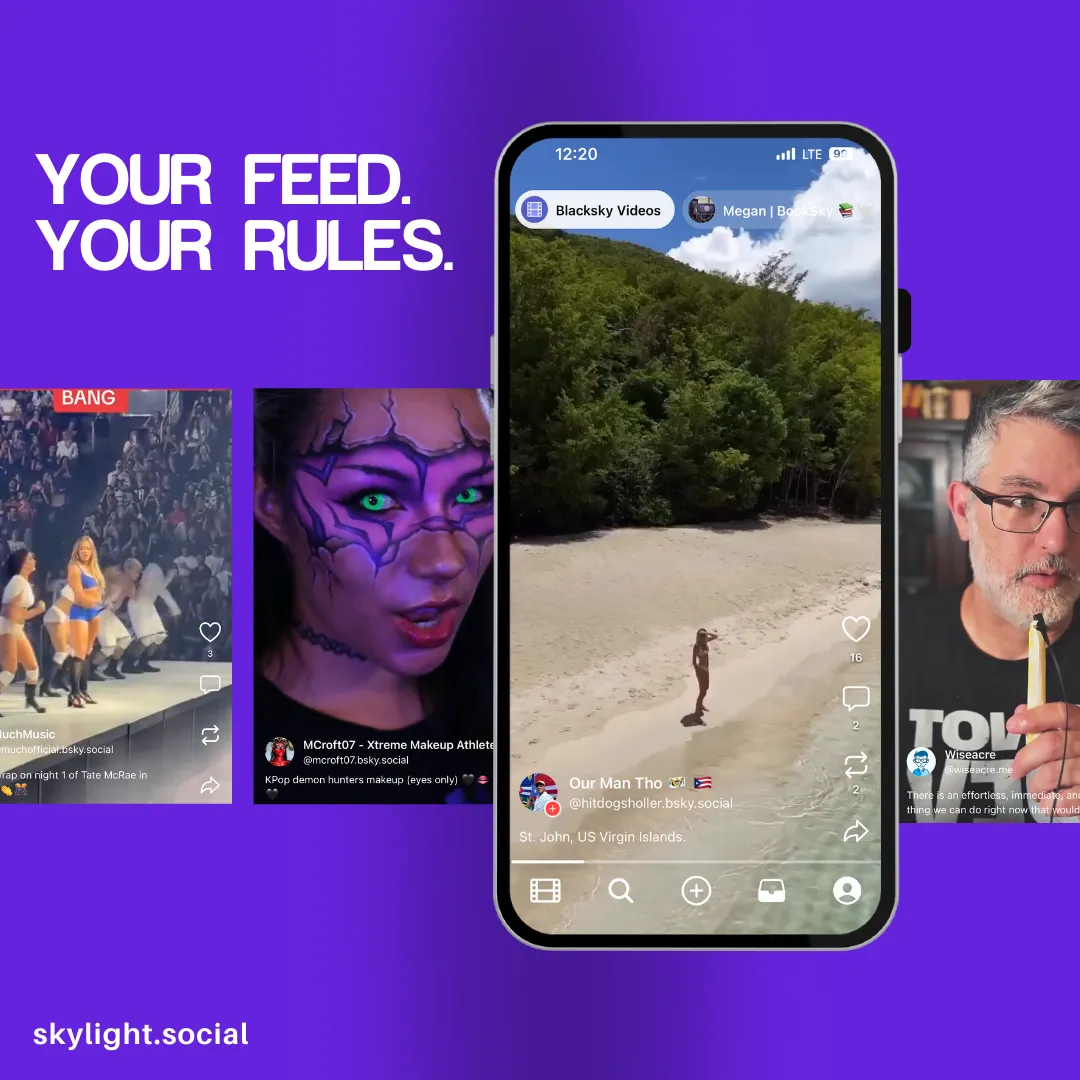
Skylight, a TikTok-style short-form video app built on open-source technology, has surged past 380,000 users, following renewed concerns about TikTok’s U.S. ownership changes and recent technical issues. The spike happened over a busy weekend that saw thousands of creators and viewers explore alternatives, pushing Skylight into its fastest growth period since launch.
The app, which debuted last year and is backed by Mark Cuban and other investors, positions itself as a decentralized, creator-first alternative to TikTok — and right now, that message appears to be landing.
Skylight’s momentum comes just days after TikTok announced the formation of TikTok USDS Joint Venture LLC, a restructuring move designed to comply with U.S. government requirements that its American operations be sold to U.S.-based investors. Under the deal, ByteDance’s ownership stake drops below 20%, but the announcement reignited long-standing fears around data privacy, government influence, and platform control.
Those concerns escalated when TikTok rolled out updated privacy policies that included permissions around GPS tracking and immigration-related data disclosures. While much of the language wasn’t new, the timing raised alarms among users already uneasy about the platform’s future direction. Combined with TikTok’s weekend outage and performance issues, many users began actively searching for alternatives and Skylight was one of the first names to surface.
According to Skylight co-founder and CTO Reed Harmeyer, the app saw 1.4 million videos played in a single day, representing a threefold increase in under 24 hours. Sign-ups jumped by more than 150%, returning users rose over 50%, and daily posts more than doubled, signaling that users weren’t just downloading the app, they were sticking around.
 Emmanuel Umahi
What Skylight Actually Offers
Skylight looks and feels familiar to TikTok users, but it runs on something very different under the hood. The app is built on the AT Protocol, the same open-source technology powering Bluesky, the decentralized social platform that now boasts over 42 million users.
Instead of relying on a centralized algorithm controlled by one company, Skylight allows creators and communities to build and follow custom feeds, giving users more control over what appears on their timelines. The app supports video uploads, in-app editing tools, likes, comments, sharing, and creator profiles — but it also lets users stream videos from Bluesky thanks to its protocol integration.
So far, over 150,000 videos have been uploaded directly to Skylight, a figure that continues to climb as new creators migrate over. The app currently has around 95,000 monthly active users this January alone, signaling sustained engagement beyond the initial surge.
 Ogbonda Chivumnovu
Why TikTok’s U.S. Deal Is Driving This Shift
TikTok’s restructuring deal is one of the most significant moments in the platform’s history. After years of regulatory pressure over national security concerns including fears around user data access and algorithmic influence — the company agreed to spin off its U.S. operations into a majority American-owned entity.
But instead of easing tensions, the move sparked fresh skepticism among users. Some fear political influence could now shape moderation policies, content distribution, or creator monetization. Others worry that TikTok’s legendary recommendation engine could become more opaque under new ownership.
That uncertainty, combined with TikTok’s recent outages and glitches, created the perfect storm for alternatives like Skylight to gain traction especially among creators who want more control over distribution, visibility, and audience reach.
Why Open-Source Social Platforms Are Suddenly Trending
Skylight’s rise isn’t happening in isolation. Across tech, there’s growing interest in decentralized platforms where users aren’t locked into a single company’s algorithms, policies, or business models. Bluesky, Mastodon, and other open-protocol platforms have seen similar spikes whenever major social networks face backlash or instability.
Skylight CEO Tori White believes this moment represents more than a temporary migration wave. According to her, centralized platforms have shown what happens when one company dictates what users see, which creators get visibility, and how engagement is monetized.
She argues that open standards change that power dynamic entirely making creator control permanent instead of optional. That philosophy seems to be resonating with users who feel increasingly burned by opaque algorithm changes, declining organic reach, and shifting monetization rules on major platforms.
Can Skylight Actually Compete With TikTok?
Despite its growth, Skylight still operates at a completely different scale from TikTok, which reportedly has over 200 million monthly active users in the U.S. alone. Even after adding hundreds of thousands of new users, Skylight remains a niche platform in comparison.
But Skylight’s founders aren’t aiming to replace TikTok overnight. Instead, they’re betting that creators and communities increasingly want platforms that prioritize transparency, portability, and ownership, and that long-term trust will matter more than short-term virality.
If TikTok continues to face regulatory scrutiny, infrastructure instability, or shifts in platform governance, Skylight and similar apps could continue capturing dissatisfied creators at the edges, slowly building sustainable ecosystems rather than chasing explosive growth.
The Takeaway
Skylight’s surge past 380,000 users isn’t just about TikTok competitors gaining traction, it’s about trust, control, and platform uncertainty. TikTok’s U.S. ownership restructuring, updated privacy policies, and recent outages created the perfect moment for alternatives to step in, and Skylight capitalized fast.
While TikTok remains massively dominant, Skylight’s rapid growth shows that creators and users are increasingly willing to experiment when stability, transparency, and autonomy feel threatened. Whether Skylight becomes a long-term contender or remains a niche refuge, one thing is clear: TikTok’s hold on creator loyalty isn’t as unshakable as it once seemed.
 Louis Eriakha