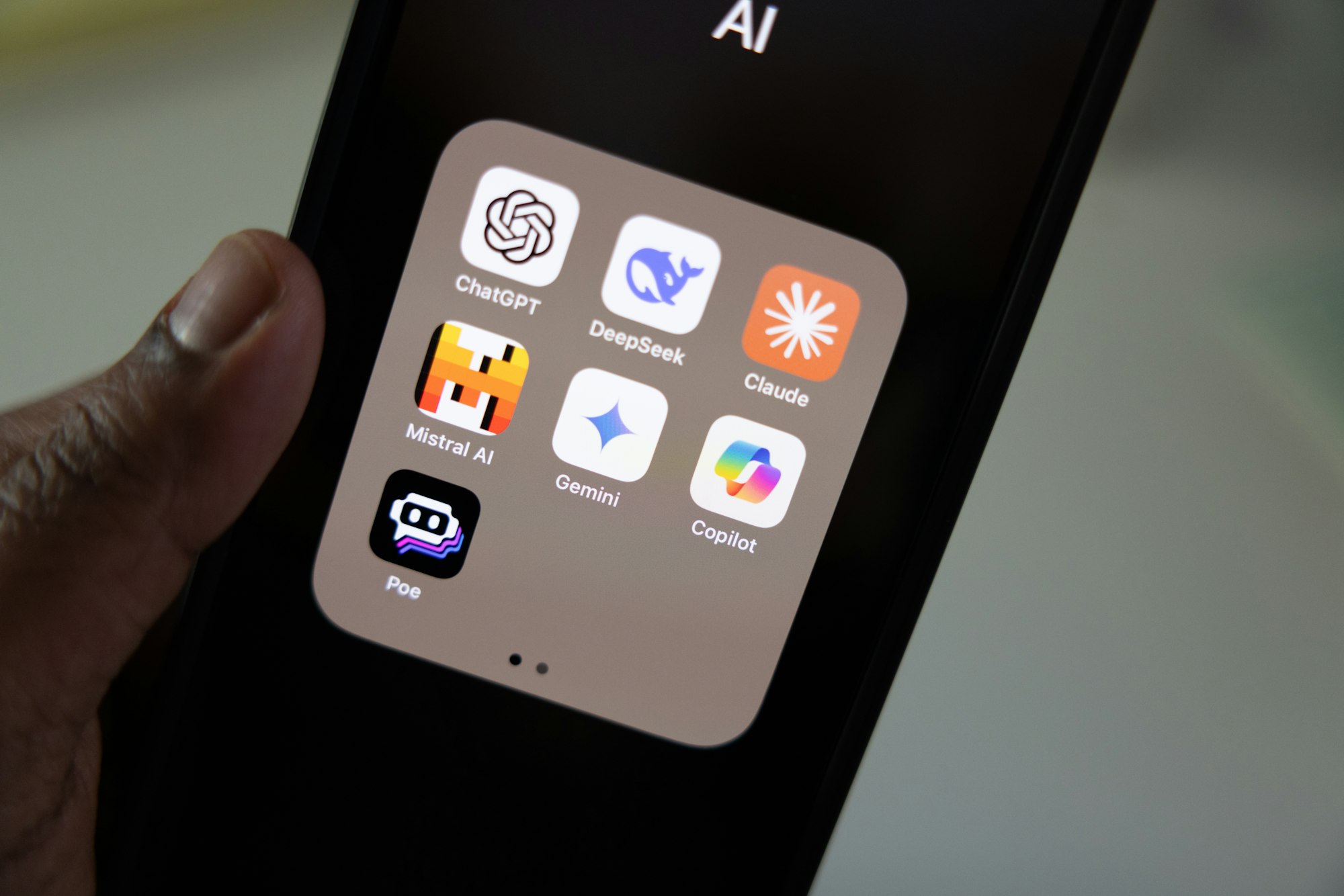
As companies increasingly adopt AI tools like Claude, a new kind of role is emerging: the Claude Architect—someone who designs systems, workflows, and applications powered by Claude—making sure the AI works reliably in real-world use.
But breaking into this space isn’t straightforward. It requires more than just knowing how to use AI tools—you need to understand how the models behave, how to structure inputs and outputs, and how to build systems around them.
That makes choosing the right learning path critical.
Here are five of the best courses to get started as a Claude Architect:
1. Claude Code in Action
To understand how Claude moves beyond simple chatbot responses and handles real software tasks, you need a grasp of agentic AI—systems that can plan, execute, and iterate on tasks rather than respond to a single prompt.
Claude Code in Action course introduces this concept through Claude Code, a command-line AI assistant that can interact directly with files, run commands, and work within a codebase.
Instead of just prompting a model, you see how Claude operates inside real development workflows—editing code, generating documentation, and assisting with debugging.
For anyone starting out as a Claude Architect, this is a practical entry point. The course shows how Claude interprets instructions, how to guide it towards reliable outputs, and how to structure prompts so it can complete multi-step tasks effectively.
2. Introduction to Agent Skills
As AI workflows become more complex, consistency becomes a challenge. That’s where Agent Skills come in—reusable instructions that allow Claude to apply the right behaviour automatically across different tasks.
The Introduction to Agent Skills course teaches you how to build, configure, and manage these reusable components within Claude Code. Instead of repeating prompts, you learn how to define instructions once and have Claude apply them when relevant.
The course walks through creating your first Skill, structuring it effectively, and ensuring it triggers reliably. It also covers how Skills differ from other customisation methods like CLAUDE.md, hooks, and subagents.
Beyond setup, you’ll learn how to scale Skills across teams—from organising them efficiently to sharing them via repositories, plugins, and enterprise settings. A dedicated troubleshooting section also helps you diagnose issues like conflicts, failed triggers, and runtime errors.
For aspiring Claude Architects, this course is essential for building consistent, scalable AI workflows that can be reused across projects and teams.
3. Building with the Claude API
At the core of any AI system is the model itself. For Claude, that foundation is the Claude API, which allows applications to interact directly with the model.
The Building with the Claude API course focuses on how developers use Claude programmatically — from sending requests and handling responses to managing token usage and structuring prompts for reliability.
More importantly, it shows how Claude moves beyond a chat interface into real-world applications. You’ll learn how to connect the model to external tools, build retrieval-augmented generation (RAG) pipelines, and design workflows that support multiple tasks within a single system.
For aspiring Claude Architects, this course provides a critical step: understanding how to integrate Claude into functional products, not just isolated prompts.
4. Introduction to Model Context Protocol
As AI systems become more capable, they increasingly rely on external data—from documents and databases to tools and APIs—to complete tasks effectively. The Model Context Protocol (MCP) is designed to make those connections easier and more standardised.
MCP provides a structured way for models like Claude to access external information without requiring developers to build custom integrations from scratch each time.
The Introduction to Model Context Protocol course explains how this works in practice. It covers how Claude can safely connect to external systems, retrieve relevant context, and use it to improve outputs.
You’ll also learn how to build MCP servers that expose tools, resources, and prompts, as well as MCP clients that can interact with those services. A hands-on project — building a simple document management system — demonstrates how these components come together in a real application.
For anyone starting out as a Claude Architect, this course is key to understanding how AI systems extend beyond the model itself and operate within broader software environments.
5. Model Context Protocol: Advanced Topics
Once you understand the basics of MCP, the next step is learning how to use it in production environments. The Model Context Protocol: Advanced Topics course focuses on the technical side of building and scaling MCP-powered systems.
It covers how to implement MCP servers and clients beyond simple setups — including bidirectional communication, tool execution, logging, and progress notifications. You’ll also learn how to work with different transport layers, such as stdio for local development and HTTP for scalable, remote deployments.
The course introduces more advanced concepts like sampling callbacks, which allow servers to initiate model requests, as well as permission controls for managing file system access.
For developers moving toward production use, it also includes guidance on debugging message flows, handling JSON-RPC communication, and troubleshooting issues that arise when scaling from development to real-world systems.
For aspiring Claude Architects, this course is a deeper technical layer—helping you move from understanding MCP to building robust, production-ready AI systems around it.
 Ogbonda Chivumnovu