Scam calls aren’t slowing down, and many of them are now coordinated across entire households rather than targeting individuals. Truecaller’s new feature, Family Protection, is designed to respond to that shift by letting one person manage scam-blocking settings for up to five family members.
The tool gives a designated administrator control over core safety features for the group. On Android, the admin can also receive alerts when someone gets a suspected scam call, view basic device status, and even end a flagged call remotely if it’s identified as high-risk. The feature is aimed at households where children, elderly relatives, or new smartphone users may be more vulnerable to scams.
Truecaller is testing Family Protection in Sweden, Chile, Malaysia, and Kenya, with India set to follow in early 2026. The timing reflects a broader shift in scam behavior. The company says attackers often target several members of the same household in quick succession until someone responds. With Truecaller detecting more than 63 million scam attempts a day for its 450 million users globally, the company has strong visibility into how these patterns develop.
 Ogbonda Chivumnovu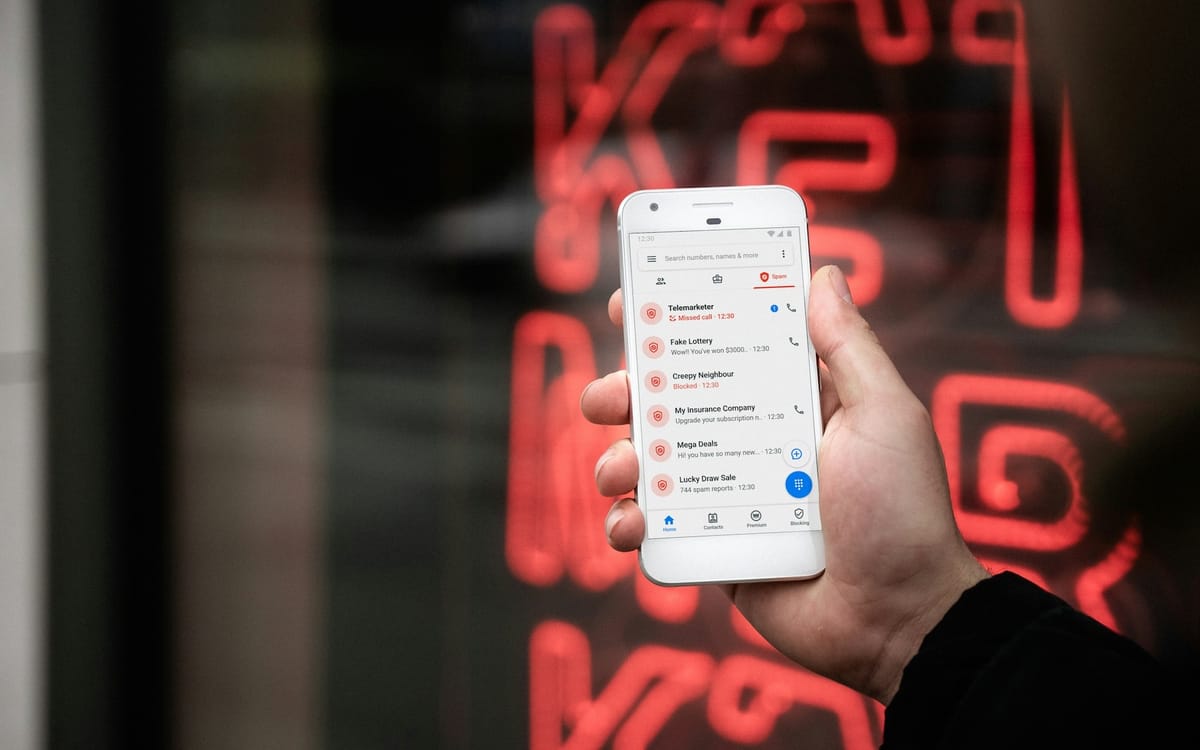
The move also aligns with rising competitive pressure. India’s telecom regulator is piloting a system that displays verified caller names directly from the carrier network, overlapping with one of Truecaller’s core functions. Expanding into broader digital safety gives the company room to differentiate.
Family Protection is free to use, with an optional Premium Family plan that adds stronger spam blocking, ad-free usage, and automatic rejection of high-risk numbers for all members in the group.
The takeaway
Truecaller is growing from caller ID into household-level fraud prevention, reflecting how scam tactics have broadened. In markets where first-time smartphone users are growing quickly, especially across India, Africa, and Southeast Asia, tools like this could become part of everyday digital safety.
For Truecaller, it’s also a strategic step to reinforce its relevance as competitors and regulators reshape the caller-verification space. In short: Digital safety is becoming a family affair, and Truecaller wants to be in charge of the group chat.
 Louis Eriakha