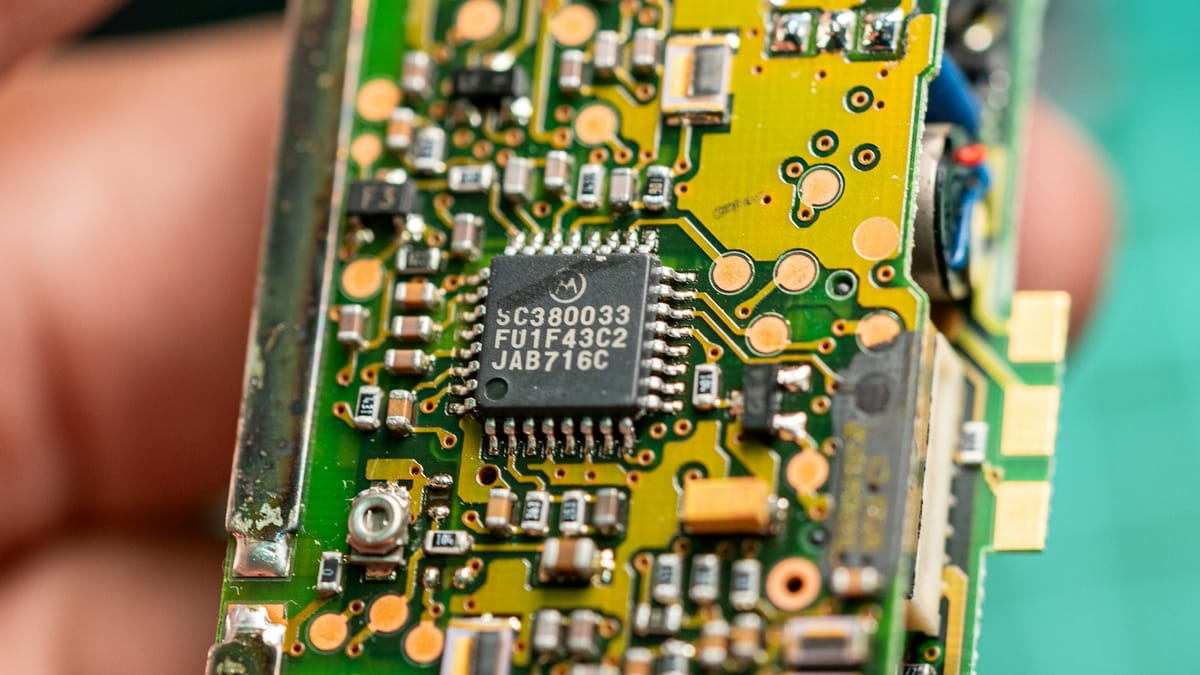
For decades, Taiwan has been an engine behind the modern technology industry, producing more than 90% of the world’s most advanced computer chips. From smartphones and laptops to the artificial intelligence systems powering data centres, much of today’s digital economy runs on semiconductors manufactured on the island. Now, a report by The New York Times reveals how deeply concerned U.S. officials have become about that dependence and its relationship with China.
According to the Times, national security officials have held secret briefings in Washington and Silicon Valley, warning top executives that China could move to retake Taiwan.
In meetings with leaders from companies such as Apple, Advanced Micro Devices and Qualcomm, according to the report, officials cautioned that a Chinese blockade could choke off chip supplies and cripple the U.S. technology sector. The warnings intensified after U.S. intelligence suggested Beijing wanted its military ready for a potential move on Taiwan by 2027.
Former President Joe Biden, in a bid to offset America's reliance on Taiwan chips, passed the CHIPS and Science Act in 2022, setting aside $50 billion in subsidies to boost domestic semiconductor manufacturing. Commerce officials sought to persuade both chipmakers and major tech companies to commit to building and buying American-made chips. But progress proved slow. According to the Times, many American tech executives have questioned whether China would risk the economic fallout of such a move, and have been reluctant to shift supply chains built over decades.
When President Donald Trump returned to office, the strategy shifted from incentives to pressure. The Times reports that Trump threatened tariffs on semiconductors and pushed companies to source more chips from U.S. plants. Behind the scenes, officials pressed manufacturers to expand American operations and encouraged tech giants to commit to purchasing from them.
However, the Times reports that “the U.S. tech industry has stubbornly refused to shift where it gets most of its chips, which power things like smartphones, laptops and the giant data centres that run artificial intelligence.”
So far, only limited changes have materialised. Taiwan Semiconductor Manufacturing Company has expanded its investment in Arizona, and Nvidia has agreed to buy more chips from U.S. facilities. But much of the industry remains tied to Taiwan, largely because of cost. Chips produced in the United States can be more than 25% more expensive, according to industry executives cited by the Times.
In some cases, even chips fabricated in Arizona must still be sent back to Taiwan for advanced packaging before they are fully functional. Despite years of warnings, subsidies and tariff threats, the global technology supply chain remains heavily concentrated in Taiwan, leaving U.S. officials increasingly uneasy about what could happen if that supply were suddenly cut off.
 Emmanuel Oyedeji