



Uber, the transport service, is not building robotaxis. It’s buying in. And now, it’s turning to China’s Baidu to power the next phase.
In a fresh move to stay ahead in the autonomous race, Uber has inked a multi-year partnership with Baidu to deploy thousands of Apollo Go self-driving vehicles on its platform. The rollout will start later this year in Asia and the Middle East, marking one of Uber’s most significant tie-ups with a Chinese tech firm yet.
This isn’t a full app integration just yet. Riders in those regions might still be matched with a Baidu AV, similar to how Waymo or Motional rides show up in some U.S. cities. But the strategy is clear: Uber is positioning itself as the distribution layer for AV tech.
It’s also a volume play. Baidu says Apollo Go has already completed over 11 million rides across more than a dozen cities, just ahead of Waymo’s 10 million as of late May. More strikingly, Baidu claims it can produce its robotaxis for just $37,000 each, a fraction of the $200,000 per robotaxi cost Uber’s CEO previously cited as a barrier to robotaxi profitability.
 Ogbonda Chivumnovu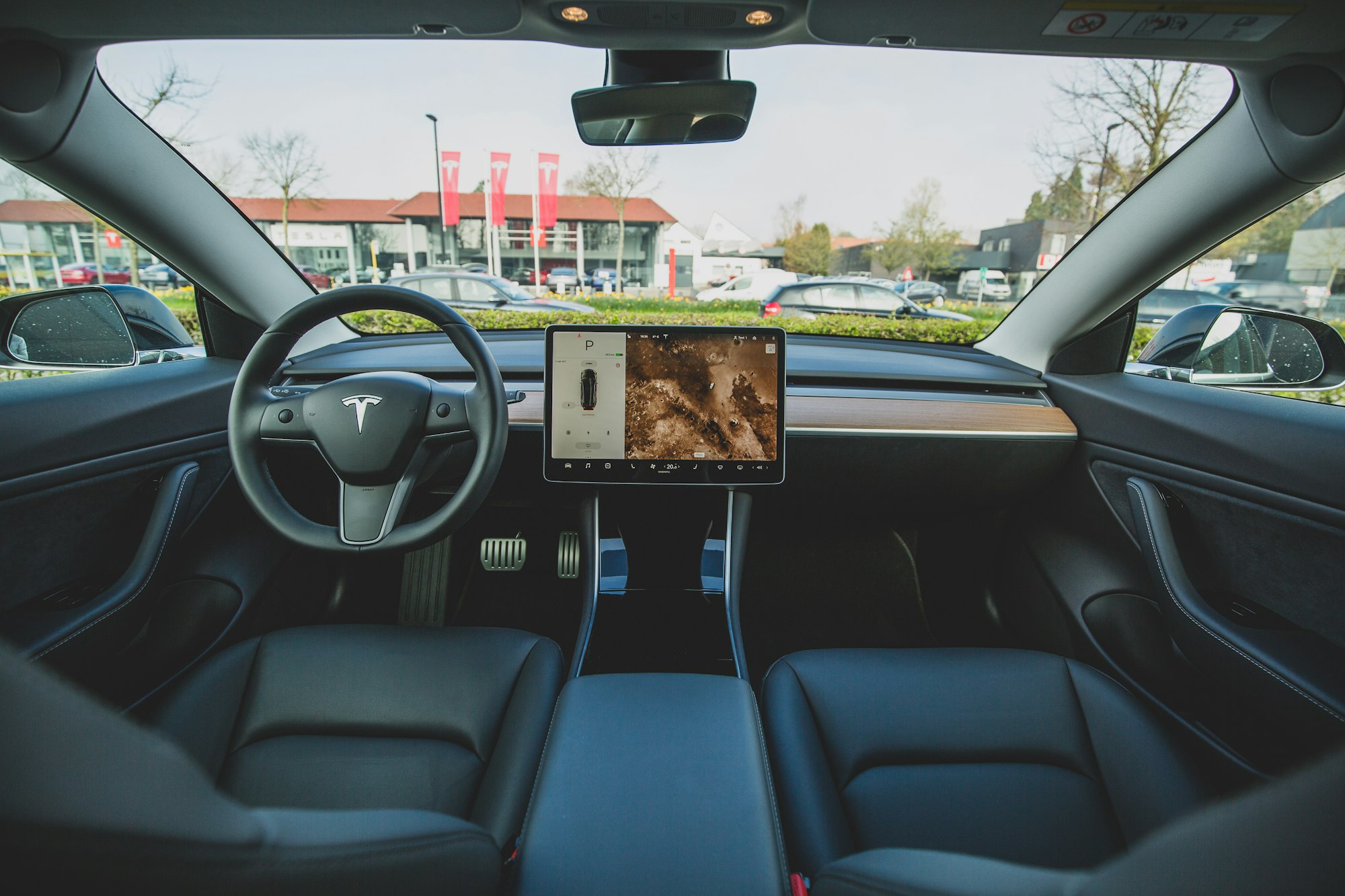
With previous partnerships spanning WeRide, Pony AI, and Volkswagen, Uber is moving fast to lock in robotaxi inventory worldwide. Tesla, conversely, has yet to fully deliver on its robotaxi ambitions, while Waymo operates only in five U.S. cities.
This deal also offers Baidu an international runway at a time when geopolitical headwinds make Western expansion tricky for Chinese tech firms. If it works, Uber gets scale without hardware risk, and Baidu breaks into new markets under a global brand.
The big question is, will consumers embrace AVs when they’re offered as just another trip option, and will the economics finally make sense at scale?


