



Vivo’s new X300 series has arrived in China, and it signals a brand trying to refine, not reinvent, its flagship formula. With the X300 and X300 Pro, Vivo is taking on the iPhone 17 and Samsung’s S25 lineup, but in a way that feels measured and focused on quiet hardware gains rather than headline gimmicks.
The Pro’s 6.78-inch curved display looks and feels premium, while the smaller 6.31-inch model stands out for its compact build. Both offer 120 Hz refresh rates and use BOE’s new Q10 Plus OLED panels, which drop to 1 nit brightness for improved efficiency in darker settings. The displays are bright, color-accurate, and responsive, a sign that Vivo’s long-standing display tuning is paying off, especially in this price tier.
Under the hood, the phones debut MediaTek’s Dimensity 9500 chipset, a rival to Qualcomm’s Snapdragon 8 Elite Gen 5. The performance gains are clear: apps open quickly, multitasking feels stable, and sustained performance under load is strong.
Still, software remains Vivo’s soft spot. Chinese models run on OriginOS, while the global release is expected to ship with FuntouchOS—both highly customized Android versions that continue to divide users. The interface is functional but dense, which may not appeal to those used to lighter or stock Android builds.
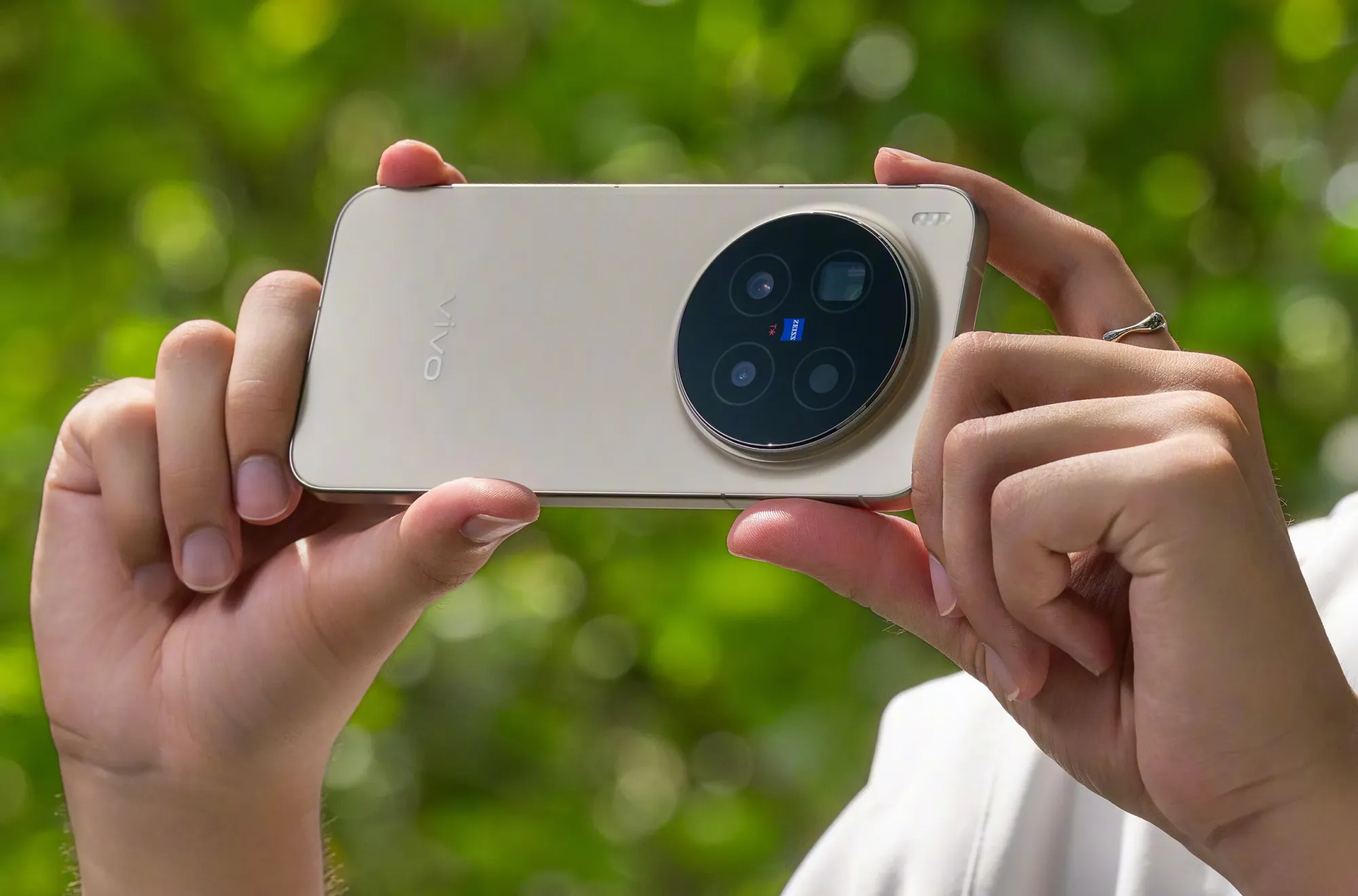
Camera performance remains the series’ main pitch. The X300 Pro combines a 50-megapixel main sensor, a 200-megapixel telephoto lens, and an ultra-wide camera. Images are sharp with consistent color accuracy across lenses, though low-light photos sometimes show more aggressive processing than ideal. The standard X300 carries a similar Zeiss-branded system, which helps maintain parity across models. It’s a setup that’s clearly been tuned for versatility, if not for a radical leap in image quality.
Battery life is one of the X300 Pro’s strongest points. Its 6,510 mAh cell comfortably lasts a day of heavy use, and although charging speeds weren’t officially disclosed, leaks pointing to 90 W fast charging seem plausible given Vivo’s recent track record. The Satellite Edition adds 16 GB of RAM and 1 TB of storage, useful, if slightly excessive, for most users.
 Kelechi Edeh
Pricing starts at ¥4,399 (about $618) for the base X300 and ¥5,299 ($744) for the X300 Pro, reaching ¥6,699 ($940) for the top configuration. The Satellite Edition costs ¥8,299 ($1,165). Sales in China began shortly after the October 13 launch, with a global rollout expected in November and an India debut likely before year-end.
Taken together, the X300 series feels less like a breakthrough and more like consolidation—the moment Vivo gets comfortable competing in the same space as the world’s biggest smartphone brands. It’s not perfect, but it’s coherent: a strong display, solid camera, dependable battery, and mature design that make it easy to recommend, provided you can live with the software’s quirks.


