



For most people, the web browser is the gateway to the internet. It’s where work gets done, research happens, and conversations unfold. But as digital life expands, so do the expectations placed on the software that connects users to the web.
In recent years, a new conversation has started to emerge around ethical technology design. Users are increasingly asking how digital products operate behind the scenes, how they are distributed, what standards they follow, and whether they contribute positively to the broader digital product ecosystem.
This shift has led to the rise of what some observers describe as ethical browsers: web browsers that combine productivity tools with transparency, responsible software practices, and in some cases mission-driven initiatives.
Wave Browser is one example of this emerging category. The browser integrates everyday productivity features while connecting its ecosystem to a real-world environmental cleanup effort. one example of this emerging category. The browser integrates everyday productivity features while connecting its ecosystem to a real-world environmental cleanup effort.
As discussions around ethical technology grow, tools like Wave Browser highlight how software platforms are beginning to experiment with broader responsibilities beyond functionality alone.
What is Wave Browser?
Wave Browser is a web browser with an environmental mission baked into it’s DNA: to remove plastic and trash from our ocean, rivers, and coastlines. A portion of revenue supports global cleanup efforts, powered by our users. Browse as you always do—and leave our ocean better than you found it.
Wave Browser organizes common online activities into a more structured workspace, and it is available across iOS, Android, Mac, and Windows devices.
The browser includes built-in tools intended to simplify everyday browsing tasks without requiring a large number of extensions. These tools include features such as tab grouping, reading lists, and quick-access sidebar utilities that help users manage multiple activities at once.
The goal is to make it easier to move between different types of tasks, such as research, messaging, media consumption, and online tools—within the same browsing environment.
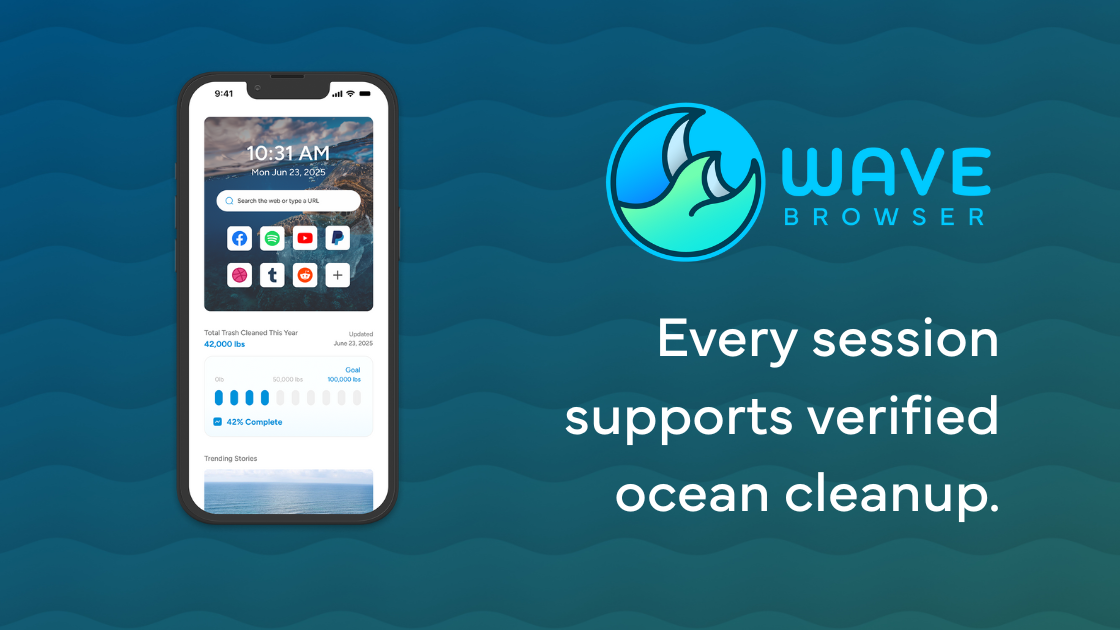
Wave Browser also connects its platform to an environmental purpose through a collaboration with 4ocean, an organization focused on removing plastic and trash from our ocean and waterways.
Rather than positioning itself solely as a performance-focused browser, Wave Browser frames its approach around combining everyday browsing with ocean cleanup.
Why Ethical Software Design Is Becoming Important
The conversation around ethical technology is expanding across many areas of the digital ecosystem.
Users now expect more than functionality from the tools they use daily. Transparency, accountability, and social responsibility are increasingly part of how technology platforms are evaluated.
This trend is particularly relevant for browsers because they serve as the main interface between users and the internet.
Ethical considerations around browsers may include:
- Clear installation practices
- Transparent software behavior
- Respect for user choice and control
- Broader initiatives that contribute to social or environmental causes
As these expectations grow, some software developers are experimenting with ways to integrate ethical considerations directly into the design and distribution of their products.
Wave Browser reflects this shift by combining productivity-focused features with a mission connected to environmental cleanup.
How Wave Browser Supports Everyday Productivity
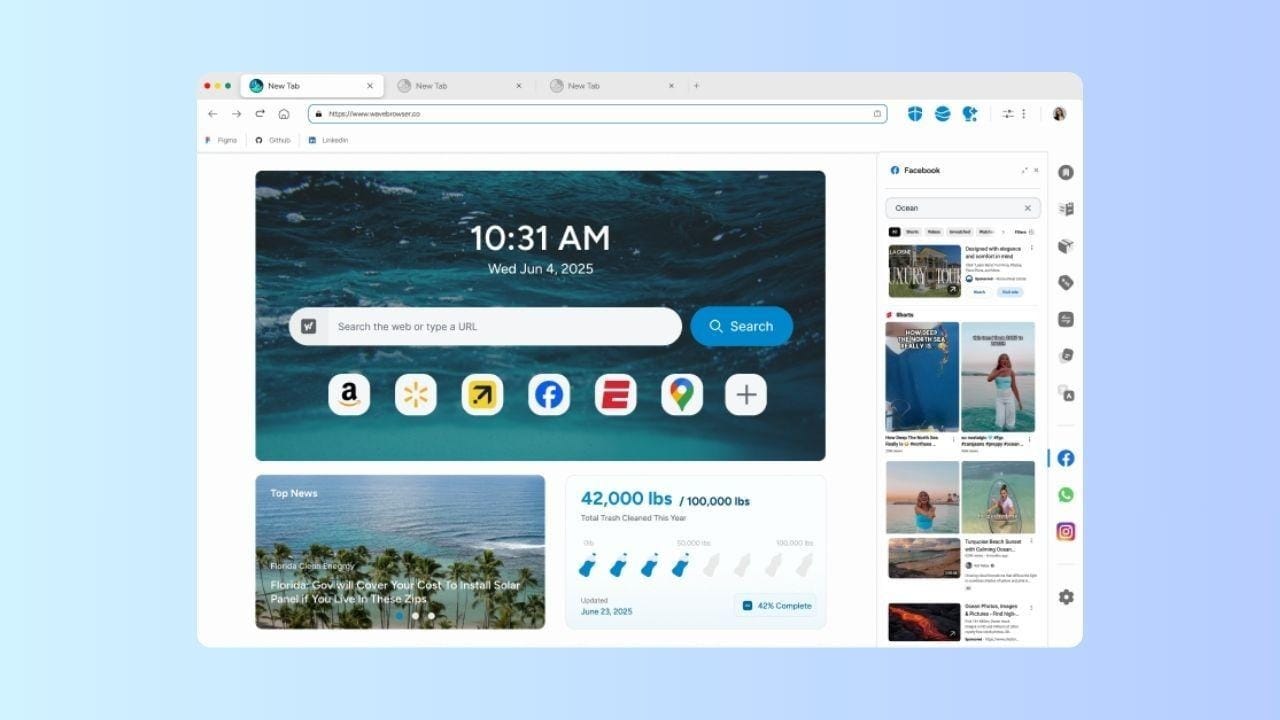
While its environmental mission attracts attention, Wave Browser also integrates several commonly used utilities directly into the browser interface, including:
- Messaging apps
- Translation tools
- File and unit converters
- Reading lists and bookmarks
- Price and package tracking tools
- Content notifications
These built-in utilities allow users to perform common tasks without installing additional extensions.
Multitasking with Sidebar Tools
Wave Browser supports multitasking through its built-in sidebar, which provides quick access to commonly used sites and tools without opening additional tabs.
This can help users reference information, check messages, or access frequently used resources while continuing to work in their main browsing window.
Instead of constantly switching between multiple tabs, the sidebar keeps important tools within reach, helping users stay organized and focused during everyday browsing tasks.
Organizing Content with Tab Groups
Managing a large number of open tabs can quickly become confusing.
Wave Browser allows users to organize related tabs into groups, making it easier to separate research, communication tools, and media content.
Grouping tabs can help maintain focus during complex browsing sessions.
Watching Content with Picture-in-Picture
Video content plays a major role in how people learn and consume information online.
Wave Browser supports picture-in-picture playback, allowing videos to remain visible in a small floating window while users navigate to other pages.
This feature allows tutorials, presentations, or streams to continue playing while other browsing tasks are completed.
Managing Resources with Memory Saver
Multiple active tabs can place significant demand on system memory.
Wave Browser includes a Memory Saver feature that reduces the resources used by inactive tabs by placing them into a low-activity state until they are needed again.
When users return to a tab, it becomes active again, helping maintain smoother performance during long browsing sessions.
Inside Wave Browser’s Environmental Mission
Wave Browser also ties its platform to an environmental effort aimed at addressing plastic pollution in our ocean and waterways. The browser partners with 4ocean, a cleanup organization that operates crews removing plastic and trash from our ocean, rivers, and coastlines.
Cleanup operations supported by the partnership currently take place in several regions, including Bali, Indonesia, the Dominican Republic, and Florida in the United States, where teams collect debris from our ocean, rivers, and coastal areas.
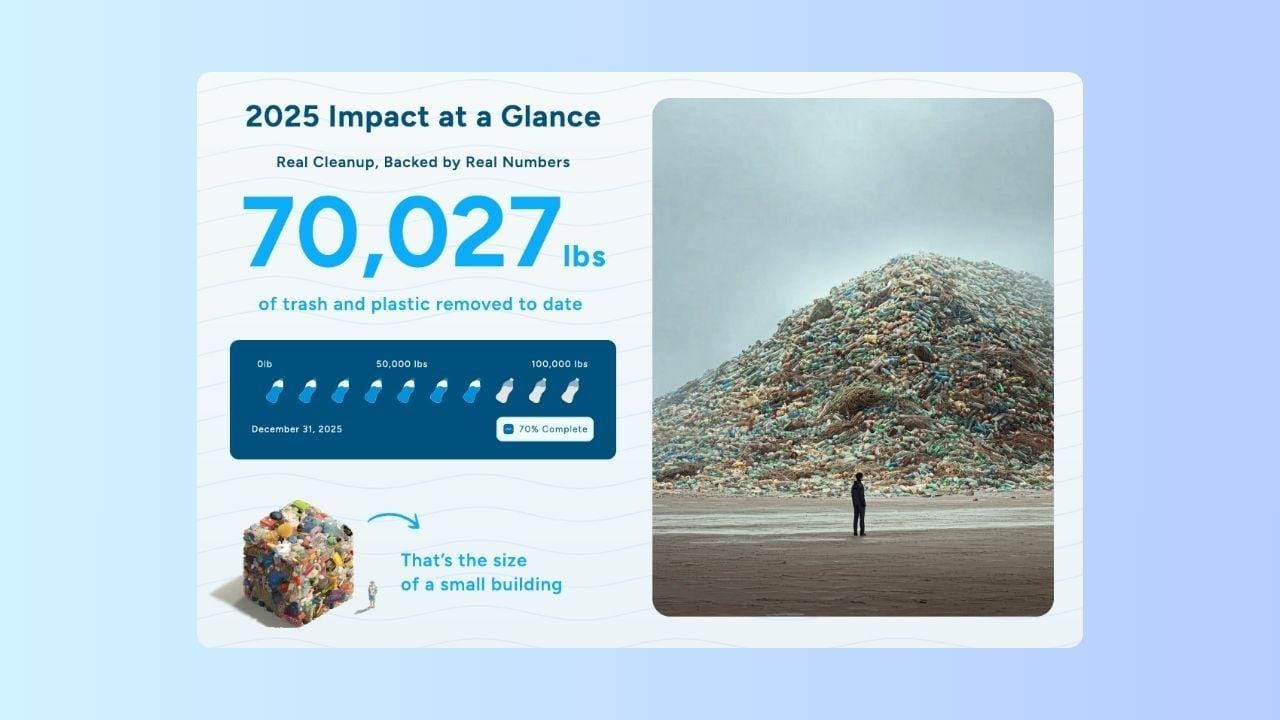
Wave Browser has a long-term partnership with a goal to help fund the removal of 300,000 pounds of plastic and trash by 2028. The partnership has already begun progressing toward that milestone—more than 70,000 pounds have been removed with Wave’s support during 2025 alone.
Inside the browser, users can access a live impact tracker that highlights current cleanup milestones.. Wave also releases monthly updates documenting how much trash has been removed and the locations where cleanup teams are working.
Safety, Transparency and Software Standards
Another component of ethical software development involves transparency in how applications are distributed and installed.
Wave Browser participates in the AppEsteem certification program, an initiative in which experts review software vendors against consumer protection standards related to installation transparency and responsible software behavior.
The evaluation framework considers whether applications follow guidelines intended to promote clear installation processes, predictable software behavior, and straightforward uninstall options.
Certification programs like AppEsteem attempt to encourage higher standards within the software ecosystem while helping users better understand how applications operate after installation.
The Future of Ethical Browsing
The role of the browser continues to evolve as digital life becomes more complex.
Beyond speed and performance, users are increasingly evaluating software through the lens of transparency, usability, and broader environmental impact.
Ethical browsers represent one possible direction for this evolution—tools that combine practical functionality with responsible software practices and mission-driven initiatives.
Wave Browser reflects this emerging approach by integrating everyday productivity tools with an environmental cleanup partnership focused on improving the health of our ocean.
As discussions around ethical technology continue to grow, browsers may become an important platform where functionality and broader impact begin to intersect.


