



Miami isn't exactly an easy place to drive. The traffic is dense, the weather can be unpredictable, and the roads are packed with tourists, delivery drivers, and commuters all moving on different rhythms. That may be starting to change. Waymo has announced that its robotaxis are now open to the public in Miami.
"Starting today, Waymo is welcoming the first public riders into our fully autonomous ride-hailing service in Miami," the company said in a blog post yesterday.
For now, access is limited to roughly 10,000 residents who signed up to Waymo’s waitlist, with new riders being added gradually. The rides will be available across a 60-square-mile stretch of the city that includes Wynwood, Brickell, Coral Gables, and the Design District. Waymo also stated that it plans to add a Miami International Airport route in the future.
This expansion to Miami didn't just happen overnight. For months now, Waymo has been laying the groundwork, from mapping streets and testing vehicles to eventually removing safety drivers from the fleet late last year. The company also continued the trend of testing the vehicles first with employees riding them, then rolling them out to the public.
 Ogbonda Chivumnovu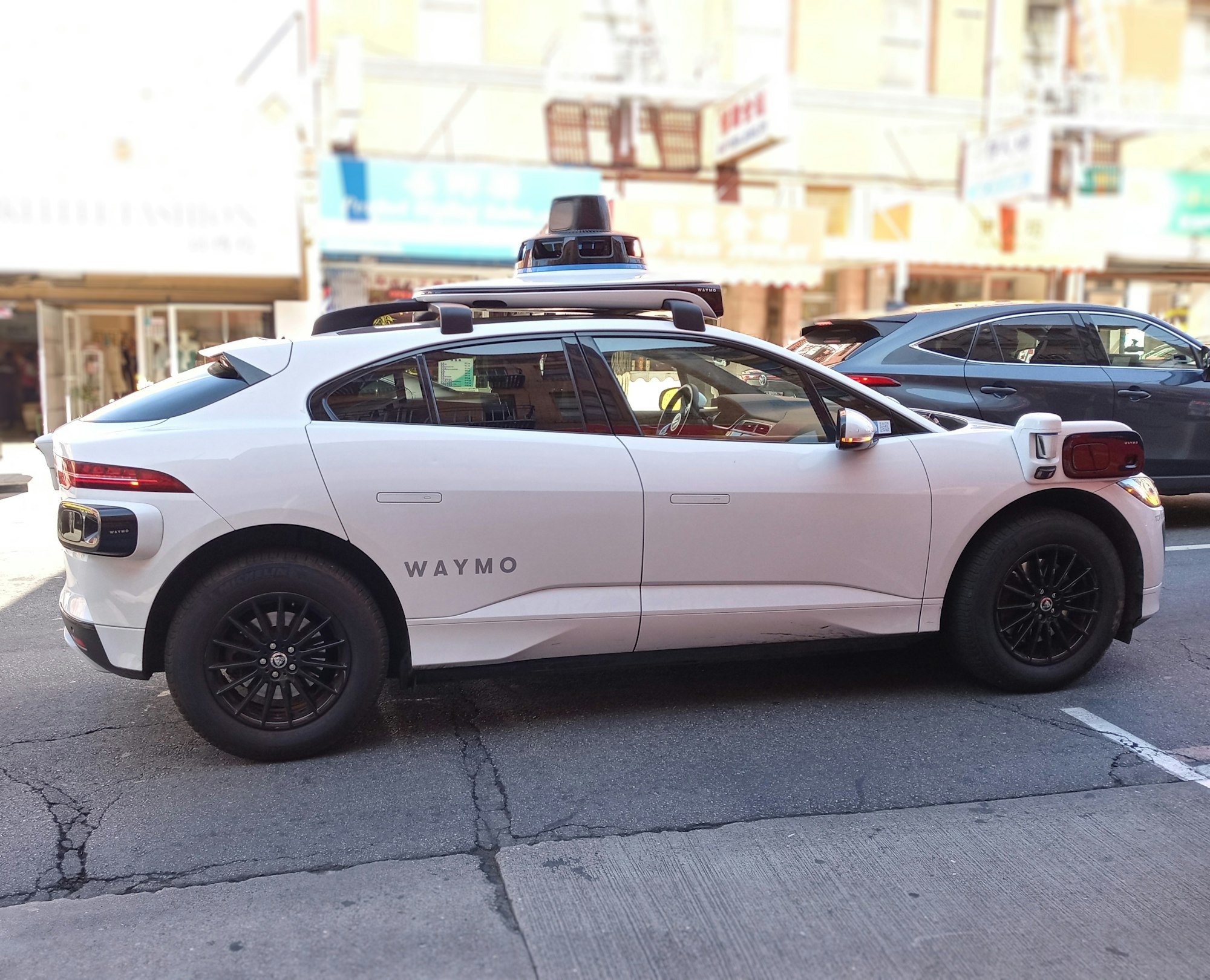
This trend has become Waymo’s default playbook. The company did the same back in 2020, using Phoenix as a testbed before expanding to San Francisco and Los Angeles and fully opening those services to all riders in 2024. More recently, the company paired with Uber to launch services in Atlanta and Austin, while extending routes onto freeways in existing markets.
Miami, though, raises the stakes. It’s a city known for congestion, chaotic driving patterns, heavy tourism, and sudden weather shifts, conditions that don’t always play nicely with autonomous systems. If robotaxis are going to scale beyond carefully controlled environments, they need to work here.
Waymo is betting big. The company plans to enter nearly a dozen more cities over the next year, from Dallas and Detroit to London and Washington, D.C. Its fleet is also evolving, mixing Jaguar I-Pace EVs with newer Zeekr-built vans designed specifically for autonomy. Co-CEO Tekedra Mawakana has said Waymo expects to be offering a million paid trips per week by the end of 2026.
That ambition comes with growing scrutiny. In San Francisco, residents have filmed Waymo vehicles causing traffic pileups. Federal safety regulators are investigating how the cars behave around stopped school buses, after incidents in Atlanta and Austin. Waymo has issued a software fix, but fresh videos suggest the problem hasn’t fully disappeared.


