Autonomous vehicles have been inching their way into daily life for years, but Waymo is now stretching those inches into miles, and across some of the most complex urban landscapes in the U.S.
On Friday, the company announced it’s “officially authorized to drive fully autonomously across more of the Golden State,” expanding its operational footprint well beyond San Francisco, Silicon Valley, and Los Angeles.
Regulatory approval now allows Waymo to test and deploy vehicles throughout much of the East Bay and North Bay, including Napa, Sacramento, and even stretches of Southern California from Santa Clarita to San Diego.
These approvals mark a crucial step: while the company can drive without safety drivers in these areas, it still requires additional clearance to carry paying passengers, a hurdle that shapes when and where everyday users can experience autonomous rides.
This expansion comes amid a wave of activity from Waymo. The company plans to launch services in San Diego by mid-2026 and has listed other cities for commercial rollout, including Dallas, Denver, Houston, Las Vegas, Miami, Nashville, Orlando, San Antonio, Seattle, and Washington, D.C.
It’s also entering Minneapolis, New Orleans, and Tampa, removing safety drivers ahead of Miami’s commercial launch, and opening freeway routes in Los Angeles, San Francisco, and Phoenix. Each move reflects a strategy of incrementally scaling coverage while balancing technical readiness and regulatory compliance.
The impact on riders is significant. More coverage means residents can rely on autonomous vehicles not just for short urban hops but potentially for intercity connections and freeway trips, fundamentally changing how people might think about car ownership and city mobility. Yet access will still be gradual. Approvals differ by region, and rolling out without safety drivers comes with operational and perception challenges that Waymo must navigate carefully.
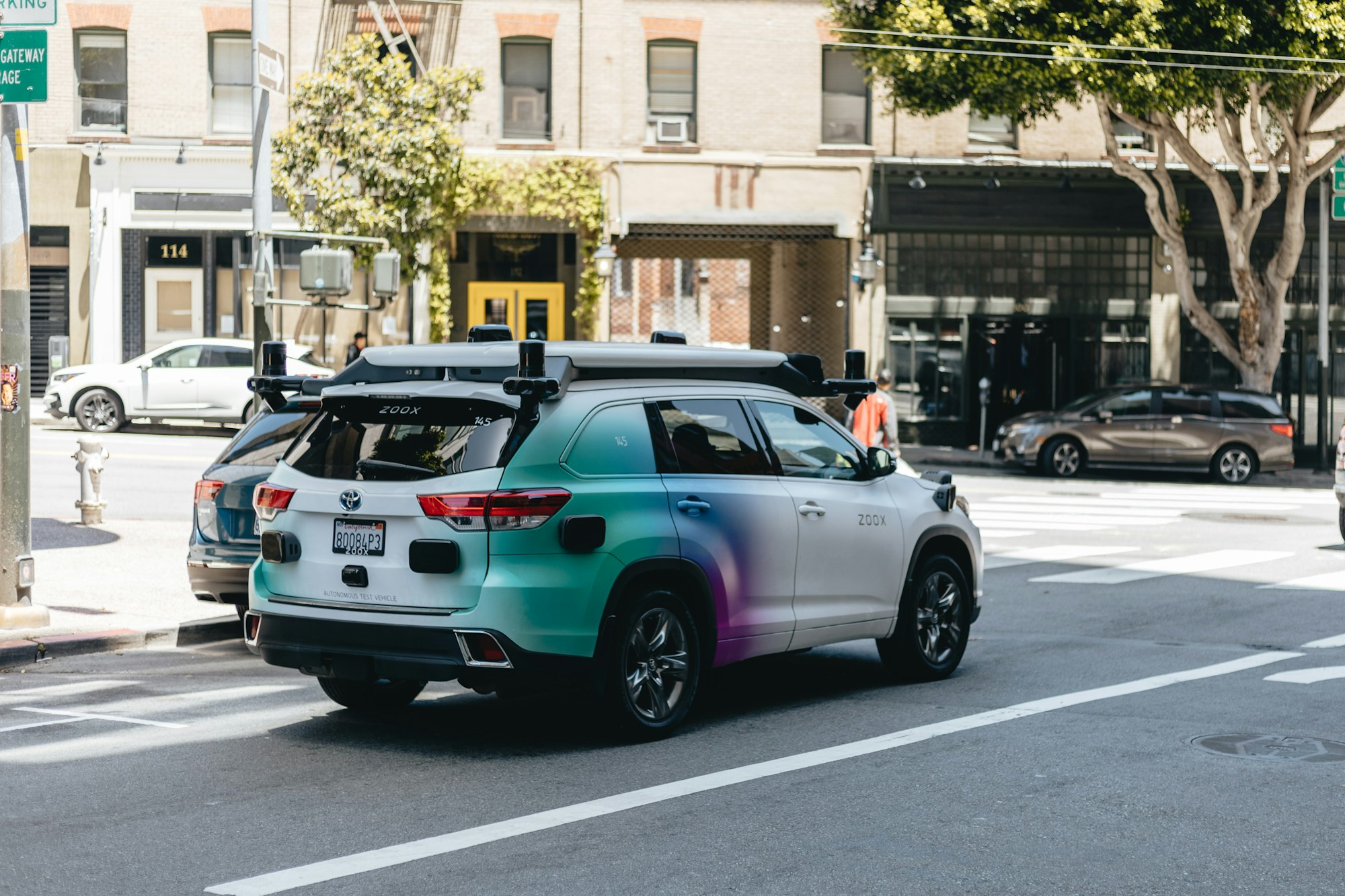
Waymo’s progress also invites comparison. Amazon-owned Zoox is testing its own approach, launching a robotaxi service in select San Francisco neighborhoods with gondola-shaped, steering-wheel-free vehicles. While Zoox’s rollout is small and limited to a waiting-list program, it highlights how multiple players are gauging public readiness for autonomous transport and competing for first-mover advantage.
Tesla is another major contender. Elon Musk said Tesla Robotaxis, currently piloted in San Francisco and Austin, will expand across many U.S. cities by the end of the year, ultimately reaching half of all Americans. Tesla’s vehicles still have safety drivers in some areas, but Musk expects them to be removed within months if regulatory approvals come through. Unlike Waymo, Tesla is leveraging its existing customer fleet to scale autonomous rides, blending private ownership with ride-hailing potential.
 Emmanuel Oyedeji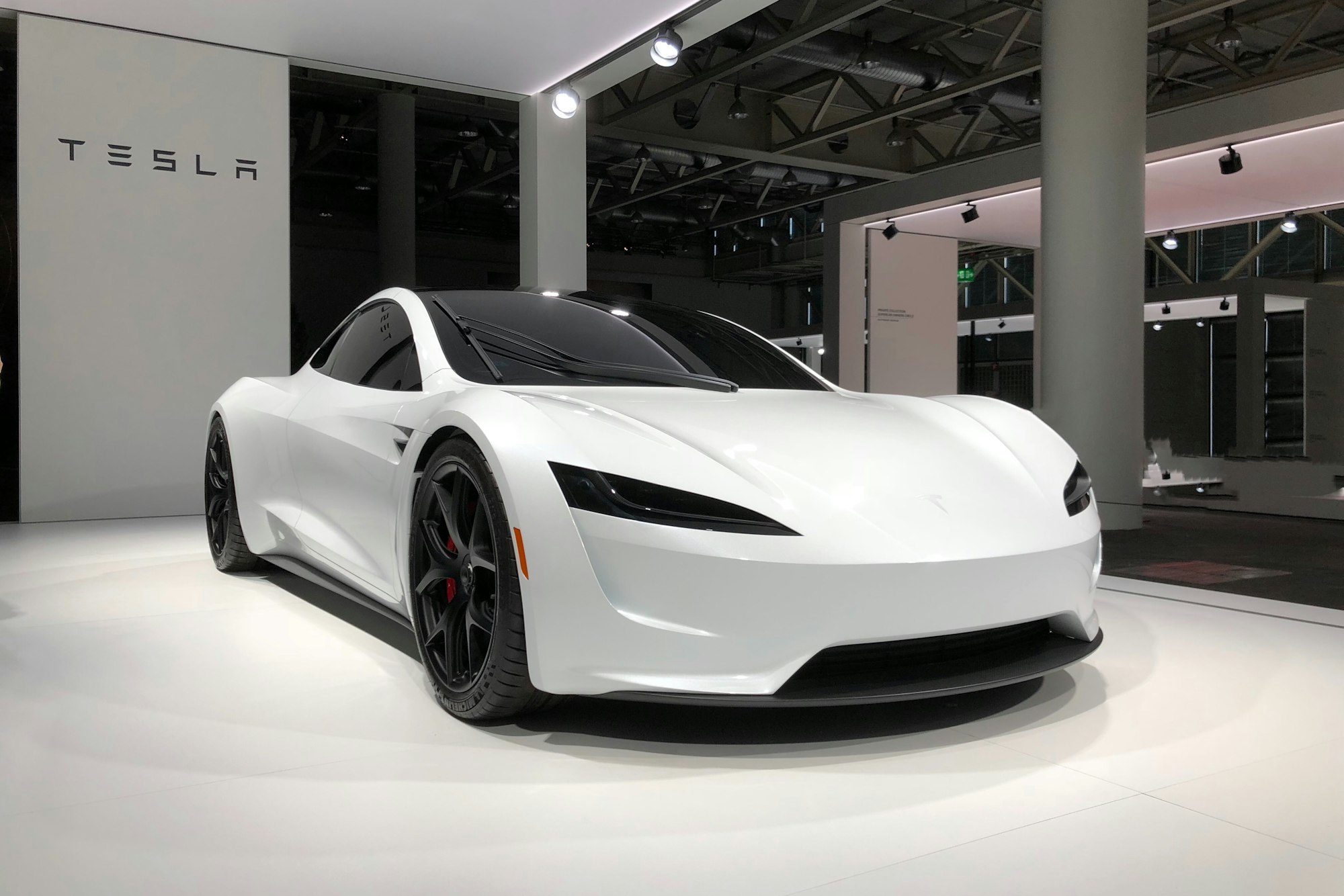
Looking ahead, the expansion raises both opportunities and questions. As regulatory approvals broaden, cities could see autonomous fleets blending into regular traffic at an unprecedented scale. Riders will experience convenience and innovation, but the industry will need to manage safety, public perception, and infrastructure integration. The early maps of Waymo’s reach are not just a roadmap for autonomous vehicles, they’re a glimpse of how urban transportation networks could be reshaped over the next decade.
Waymo’s measured expansion shows the pace of autonomous vehicles is accelerating, yet it remains deliberate. Each mile authorized represents a balance between ambition, technical capability, and the complex realities of public streets. The future of self-driving rides is coming closer, and the map keeps growing.
 Ogbonda Chivumnovu