Waymo is about to close a $16 billion funding round that would double its valuation to approximately $110 billion, the Financial Times reports.
According to the report, "more than three-quarters of the amount raised" will come from its parent company, Alphabet. The remainder, the FT says, will come from new investors such as Sequoia, Dragoneer, and DST Global, alongside existing backers like Andreessen Horowitz and Abu Dhabi’s Mubadala.
Waymo told the FT that it doesn’t comment on “private financial matters.”
“While we don’t comment on private financial matters, our trajectory is clear: with over 20mn trips completed, we are focused on the safety-led operational excellence and technological leadership required to meet the vast demand for autonomous mobility,” a spokesperson for Waymo said in a statement.
This substantial capital injection is crucial for a company that, while demonstrating progress, is still far from mainstream adoption. Last year, Waymo confirmed that it has completed over 20 million paid trips and logged more than 125 million fully autonomous miles. It currently operates robotaxi services in American cities, including San Francisco, Phoenix, Los Angeles, and Miami, with ambitions to reach one million weekly rides this year.
While annual recurring revenue has climbed past $350 million, it is a meaningful milestone for a project once confined to X, Alphabet's Moonshot Factory.
Waymo is simultaneously working to grow its geographic footprint and control its per-vehicle expenses. Its expansion roadmap includes pushing into more U.S. cities like New York and beginning international testing in London and Tokyo—each move accompanied by significant regulatory and operational hurdles. To manage costs, the company is also reworking its fleet, moving beyond Jaguar SUVs to incorporate Hyundai models and a new van built by Zeekr.
 Ogbonda Chivumnovu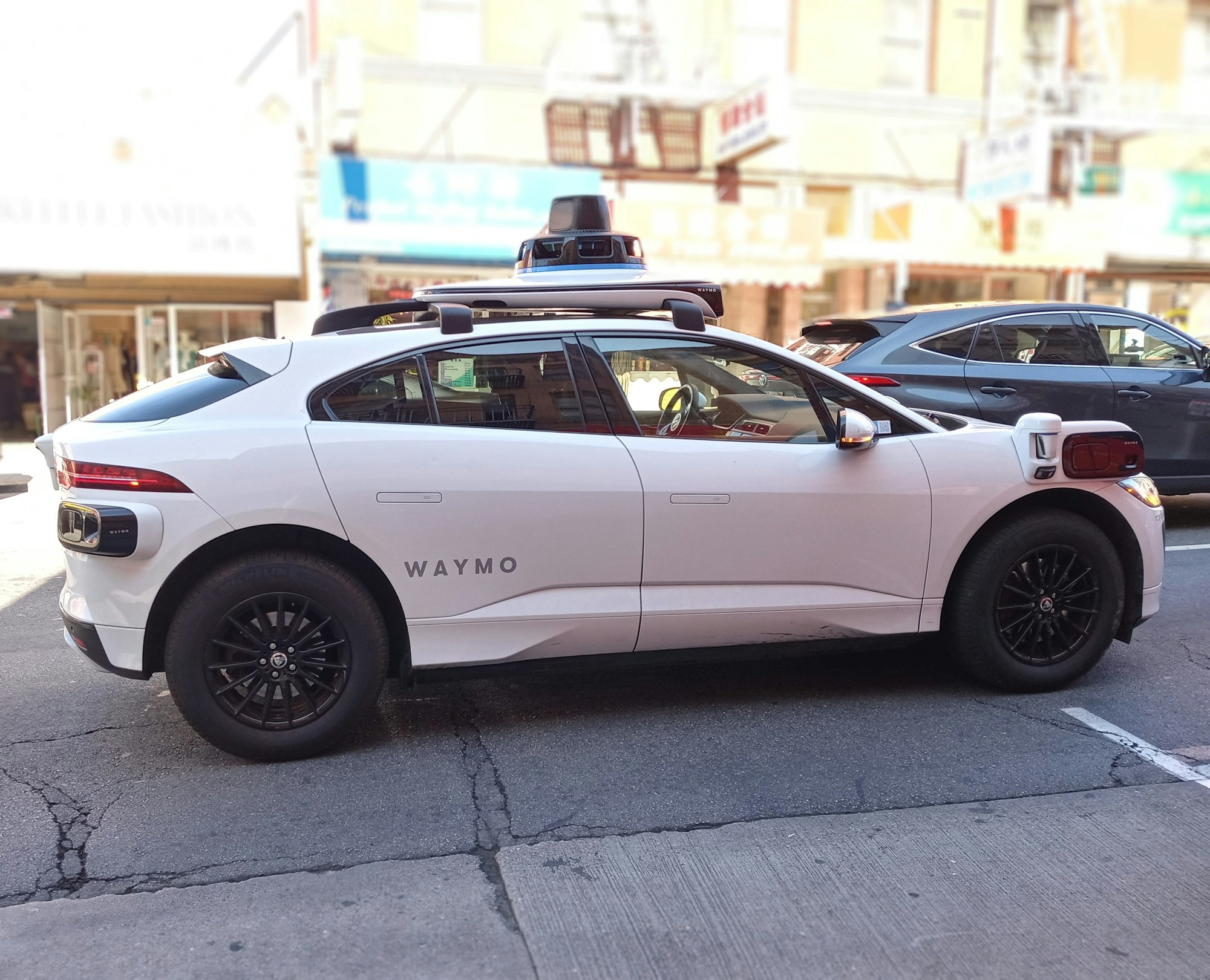
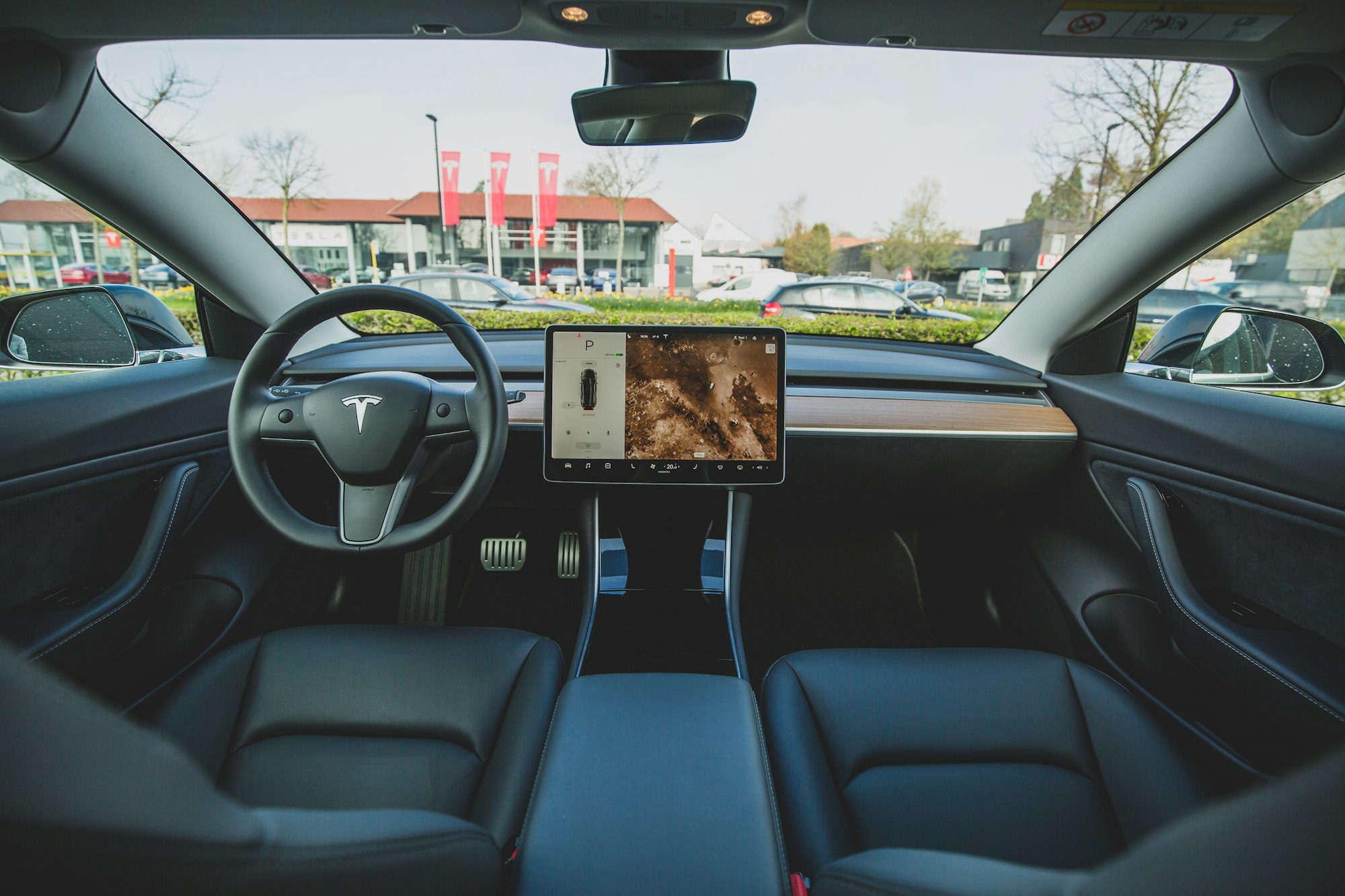
These strategic moves are partly driven by the competitive landscape, particularly from Tesla. The two companies represent divergent philosophies in the race to autonomy. Tesla is betting on a camera-only approach, leveraging its existing fleet of millions of cars to scale quickly, though its "Full Self-Driving" system remains a Level 2 technology, requiring constant human oversight. In contrast, Waymo pursues a more cautious, sensor-heavy strategy for its Level 4 vehicles, which operate without a human driver in carefully mapped areas.
Ogbonda Chivumnovu