



In the contemporary digital landscape, operational efficiency is inextricably linked to the integrity of network connections. Organizations face rigorous mandates regarding anonymity, data encryption, and connection latency—the latter of which must be both swift and exceptionally stable. A meticulously curated proxy server serves as the linchpin to achieving this synthesis of requirements.
For enterprise-grade objectives, generic solutions are frequently insufficient. Because of that, teams with good judgment tend to gravitate toward private proxies. Naturally, in order to integrate these assets into the company’s overall digital infrastructure it is important to fully understand the underlying technology.
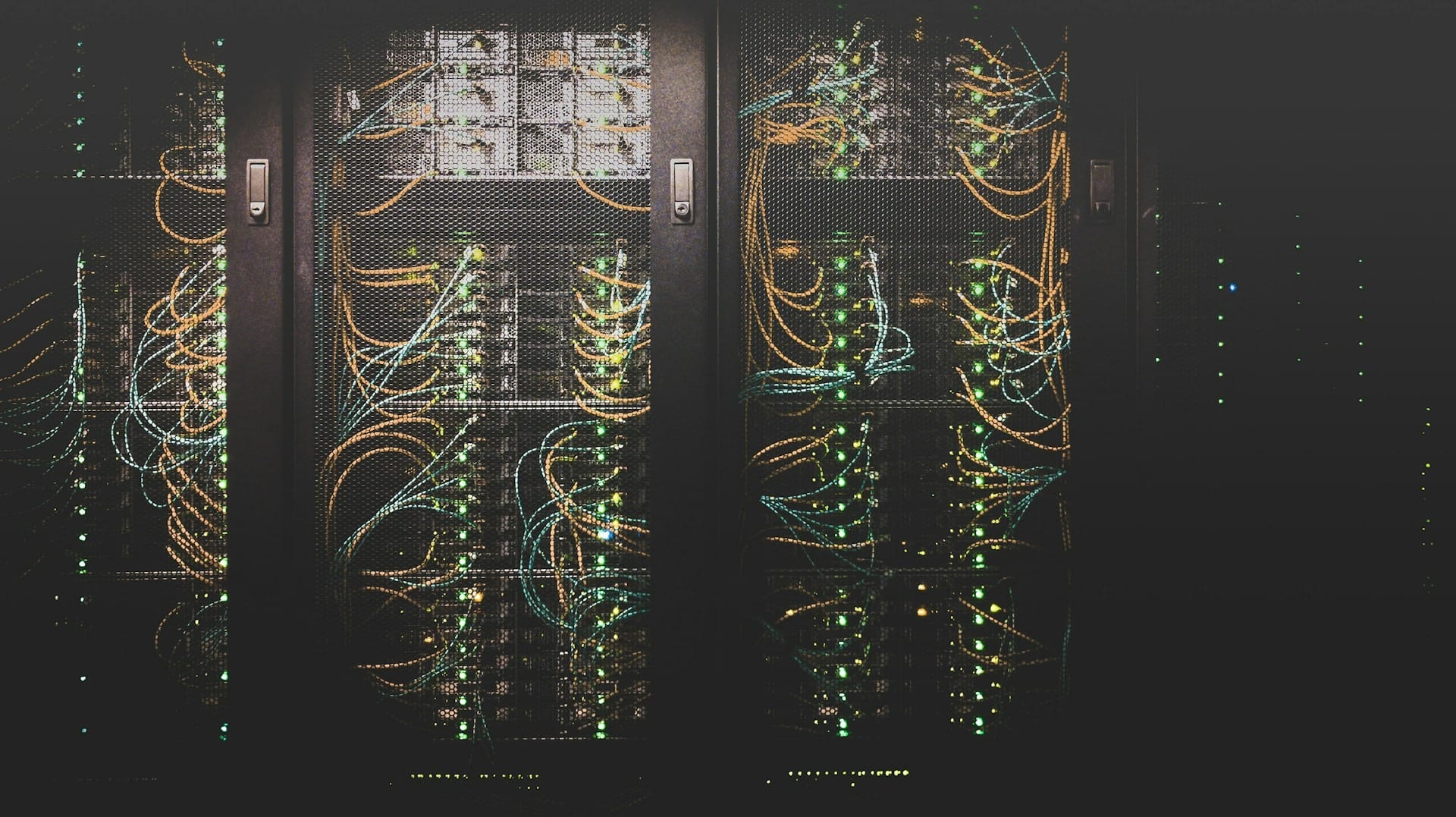
Proxy Servers Explained
To grasp the true value of private proxies, one must first address the foundational question: what is a proxy server? The simplest answer is this: it’s an intermediary node, or, to put it even plainer, a bridge between the user’s device (or the corporate server) and the world-wide web.
Basically, when you enable this service, all your web traffic flows through a proxy server first. It means that instead of your real location or device details the endpoints only receive that server’s info. This is essentially a simple way to change your IP, adding an extra layer of security to every action you take online.
What Is a Proxy: The Importance of Privacy
In a business context, the distinction between public and private solutions is substantial. Public proxies are pretty easy to find, but they’re notoriously prone to sluggishness and can be unpredictable in many other ways. They’re unable to fully guarantee confidentiality; moreover, being accessible to virtually anyone such services often increase the risks of malicious data interception.
A private proxy provides an exclusive IP address, typically sequestered for a single user. This remediates the "neighbor effect," where the illicit or erratic activity of other users can result in your IP being blacklisted. Parameters like connection speed are paramount for architecting an efficient infrastructure; you also want to aim for 99.9% uptime to ensure no urgent actions are delayed because of a break in provider’s services. Whether you’re dealing in automated analytics or international customer support, stability is fundamental.
Comparison: Private vs Shared Proxy
For professional-grade applications, the disparity between proxy tiers is evident. The salient difference—private vs shared proxy—centers on resource exclusivity:
- Shared proxy: More cost-effective, yet hindered by bandwidth contention as the channel is partitioned among numerous users. The risk of blacklisting is elevated, as the conduct of a single "neighbor" can compromise the reputation of the IP for all occupants.
- Private proxy: Offers unlimited bandwidth and a superior security posture. This is the optimal configuration for companies requiring predictability, high performance, and strict adherence to security protocols.
How Businesses Use Private Proxies
These instruments unlock immense potential for the optimization of business workflows. Key implementation scenarios include:
1. Web scraping public data
Web scraping public data is an essential pursuit for maintaining market intelligence. This is how companies keep track of their competitor and target audiences alike. The commonly aggregated data includes, in particular, insights on pricing, emerging trends, etc. Gathering it through a good private proxy ensures you can work fast, avoiding barriers such as request throttles.
2. Ecommerce price monitoring
For online retailers, real-time price monitoring is a strategic imperative. Utilizing private proxies for ecommerce price monitoring enables the harvesting of precise data from regionalized website versions. Consequently, companies can adjust pricing policies to make sure they’re keeping pace with the competition.
3. GDPR compliance and general security
Fortifying corporate network topology is of paramount importance. Top-notch proxies protect the company by throwing a veil over the overall architecture of your internal network. They also facilitate GDPR compliance by increasing the control over data flows and restricting access to specific databases.
4. High-tech flexibility: SOCKS5
Modern enterprise environments demand versatility across diverse protocols. SOCKS5 stands out as a highly sought-after standard, ensuring robust data transmission through the proxy server at the network layer.
Beyond this, private proxies are instrumental in scaling operations into global markets. For enterprises focused on expansion, it is critical to observe digital products and services through the lens of regional end-users. Geo-targeting via private proxies enables the localized validation of ad campaigns and ensures the integrity of localized content. This mitigates the necessity of maintaining physical server deployments in every target jurisdiction.
Leveraging dedicated proxy servers during API integration profoundly bolsters system resilience. When interfacing with external services that enforce stringent request quotas per IP, routing traffic through a stable pool of private proxies ensures the uninterrupted performance of critical business applications.
Such a refined approach minimizes the incidence of software disruptions triggered by access limitations and guarantees the high availability of business intelligence tools—a vital asset in the current competitive climate.
Choosing a Reliable Partner
When integrating proxy solutions into your business framework, the caliber of the provider is the decisive factor. For instance, private proxies by Geonix offer a balanced solution for enterprises that prioritize stability and sustained performance.
Such digital tools exist specifically to make your job easier, whether you need to stay on top of a market shift or adjust your understanding of your target audience’s needs. It’s a strategic advantage worth investing in.


