The Super Bowl halftime show is more than just music. It's America’s biggest cultural billboard. Step on that stage and you're not only performing but declaring to the world who matters right now. And come February 2026, that spotlight will fall on Bad Bunny.
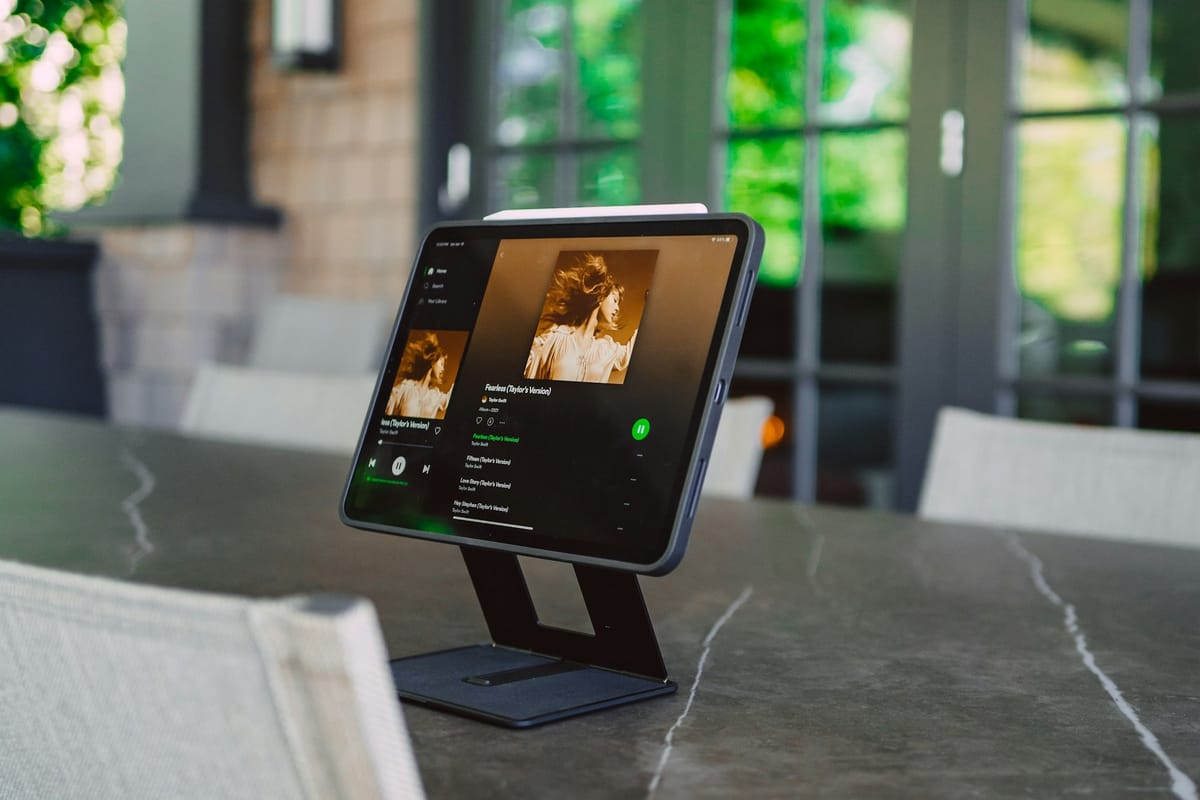
He doesn’t need the NFL to crown him, though. On Spotify alone, he commands over 77.8 million monthly listeners. His catalog has surpassed 100 billion streams, and Un Verano Sin Ti has been played over 20 billion times. That’s more than most artists can dream of in a lifetime.
But his appeal isn't just in the numbers. It lies in what he represents. For Puerto Ricans, Bad Bunny is more than an artist. He is a voice who raps in slang, calls out corruption, supports queer rights, and never compromises his identity for global appeal. He didn't cross over by adapting. He made the mainstream cross over to him.
So when he steps onto the Super Bowl stage, it'll not only feel like a performance. It'll feel like a mirror reflecting how far Latin culture has traveled and how visible it has become. As Jay-Z, who oversees the halftime show through Roc Nation, put it, “What he has done and continues to do for Puerto Rico is truly inspiring.”
What's the halftime effect all about?

Each year, the halftime show reshapes careers. Take Rihanna in 2023. She hadn’t released an album in seven years, yet within 24 hours of her halftime performance, her album sales spiked 301%, her song sales rose 390%, and her catalog streaming jumped 211%. Anti, an album from 2016, stormed back into the charts as though it were brand new.
Shakira and Jennifer Lopez in 2020 also saw streams rise by more than 200%, and U.S. download sales exploded nearly 900%. For weeks afterward, Hips Don’t Lie and On the Floor returned to playlists like fresh releases. Then, there's Usher’s 2024 performance that set led to a 550% streaming surge overnight, with Caught Up climbing 2,000%.
Even Kendrick Lamar’s 2025 performance pushed Not Like Us up 430% in a single night, while his catalog as a whole leapt 175% for the week. What these numbers tell us is that the halftime show doesn't only create a viral moment. It reignites catalogs, supercharges tours, and reshapes how audiences engage with an artist’s work.
What the Super Bowl could mean for Bad Bunny
So what happens when someone already global and already one of the most-streamed artists on the planet takes that stage? If he sees a lift similar to Rihanna’s, his monthly listeners could climb past 90 million. If his spike matches Kendrick’s, he could pass 110 million, a milestone no Spanish-language artist has ever reached.
Even Bad Bunny's older hits, such as DÁKITI and Me Porto Bonito, could surge back into the charts, new listeners will find his catalog for the first time, and algorithm-driven playlists will start favoring reggaeton, because that is what people will be playing on repeat.
And his next album, if timed well, could become his most successful yet. Not only breaking personal records, but redefining what global reach means for Latin music.
 Oyinebiladou Omemu
Also, because the halftime effect doesn't stop at streams, as previous headliners have historically seen tours explode, Bad Bunny could see demand expand into new territories such as Asia, Africa, and deeper into Europe.
We've already seen this play out. Beyoncé’s Formation World Tour, after her 2016 halftime performance, became one of the highest-grossing tours of the decade. Same with Usher’s Vegas shows, which sold out faster after his halftime return.
Then there's social media growth. Rihanna, for example, gained millions of followers the week of her show. Bad Bunny, already past 50 million Instagram followers, could add tens of millions more.
Is this the decade for Latin music?

If Shakira and J.Lo cracked the door open in 2020 and Bad Bunny now pushes it wide, the next question is what comes after the takeover.
Latin music has dominated streaming for most of this decade, but the competition is rising. Afrobeats is spreading quickly across Latin America, growing more than 180% on Spotify. AI-generated songs are starting to enter Latin American playlists, raising questions about authenticity and credit. And audience attention, the real currency of the music business, is more fragmented than ever.
That’s why Bad Bunny’s halftime moment matters beyond the spectacle. It’s not only a chance to celebrate how far Latin music has come, but to test how firmly it can hold the global stage against new waves and new threats. Because if February is his coronation, the real story is whether the crown will define not just 2026, but the next decade of global sound.
 Emmanuel Umahi