



Over the years, Chrome has been the quiet accomplice in Google’s search dominance, a humble-looking browser that happens to funnel ~3.5 billion users straight into the company’s advertising empire. In the tech space, it holds a position as powerful as iOS, Android, or TikTok’s algorithm—the gateway that decides what billions of people around the world see first.
That gateway now sits at the center of Google’s biggest legal fight in decades. Following a federal judge's ruling last year that the company had illegally monopolized online search, U.S. regulators are now considering remedies. One of the most drastic, forcing Google to sell Chrome, would strike at the very core of how it defends its market share, which now sits at 79.1% (via Statista).
Google, however, has been pushing back hard. Executives warn that splitting off Chrome could compromise security, degrade product quality, and confuse users. But history shows that antitrust pressure can make the unthinkable possible, from the breakup of AT&T in the 1980s to Microsoft’s bruising battle with Netscape over Internet Explorer in the ’90s. The difference this time is that Chrome is deeply interwoven with Google’s other products, making any divestiture a technical and strategic minefield.
 Kelechi Edeh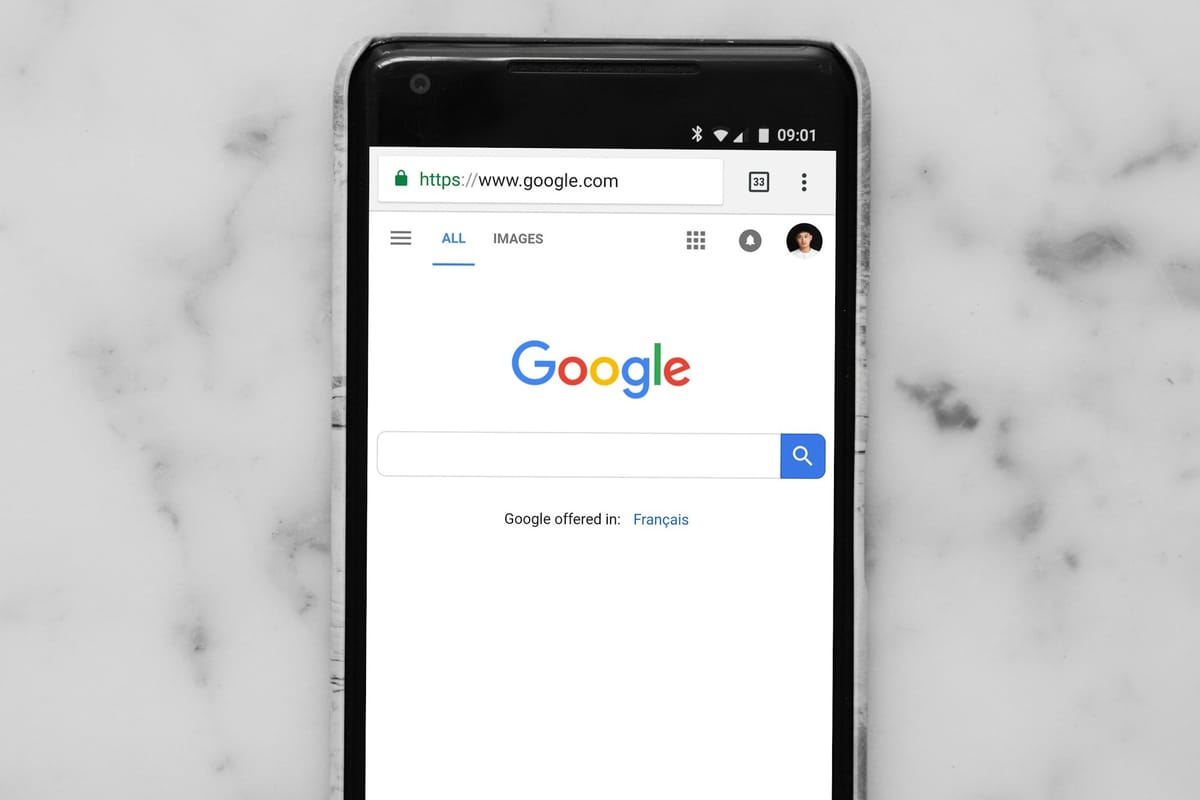
But Perplexity AI seems to think otherwise. On Tuesday, the San Francisco AI startup, just three years old and valued at $18 billion, made a $34.5 billion offer to buy Chrome. Analysts say the bid falls far short of Chrome’s true value, which they peg closer to $100 billion, but Perplexity claims it has heavyweight investors ready to finance the entire deal.
The logic behind Perplexity's bid is pretty clear
In the AI era, browsers are more than web portals. They’re turning into platforms where digital assistants (AI agents) can handle shopping, research, and everyday tasks without the user ever leaving the page. For Perplexity, which is betting on AI-powered search, acquiring Chrome could shortcut years of user acquisition, instantly embedding its technology into the daily habits of billions instead of its current 22 million users.
To ease concerns, Perplexity says it would keep Google as the default search engine, at least initially, while investing $3 billion in Chrome and Chromium over two years and retaining much of Chrome’s existing team. But that commitment comes with risks: without Google’s infrastructure and engineering muscle, maintaining Chrome’s speed, security, and market share could prove challenging.
 Louis Eriakha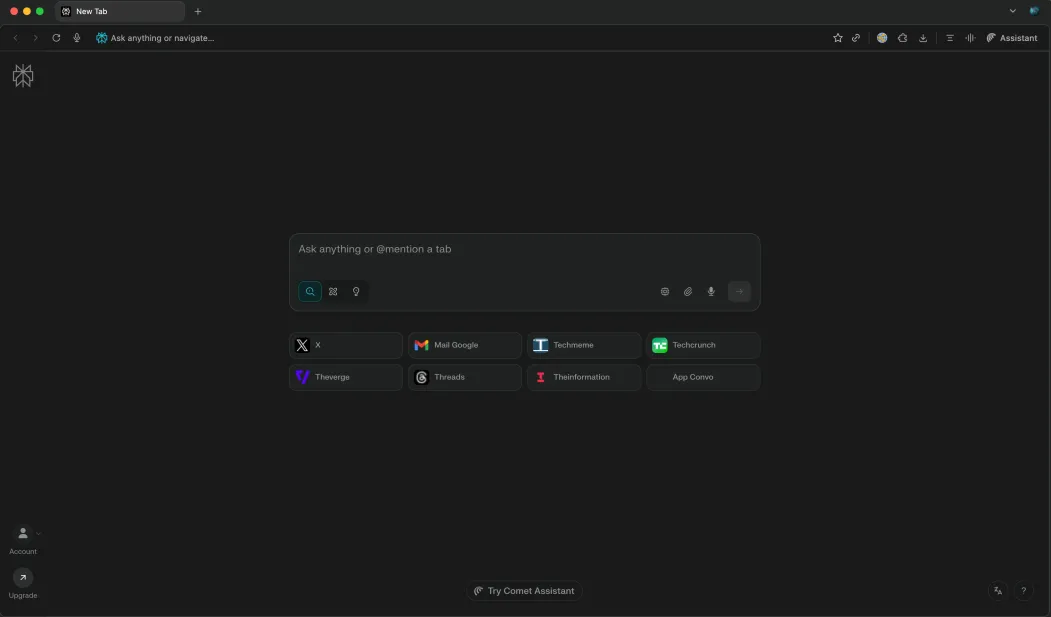
The timing of the bid is no coincidence. Judge Amit Mehta is expected to rule soon on remedies for Google’s monopoly case. By making its interest public now, Perplexity AI is signaling to the court that a credible buyer is ready if a sale is ordered.
Still, reality may not bend in Perplexity’s favor. Google has shown no willingness to sell, the bid undervalues the asset, and many analysts believe the court will opt for lighter remedies, like loosening default search contracts, rather than forcing a full divestiture. That raises the question: is this a serious acquisition attempt, or a calculated move to insert Perplexity into the heart of the antitrust conversation?
Either way, the message is unmistakable: in a space where AI companies are racing to control the “front door” to the internet, Perplexity just knocked loudly.


