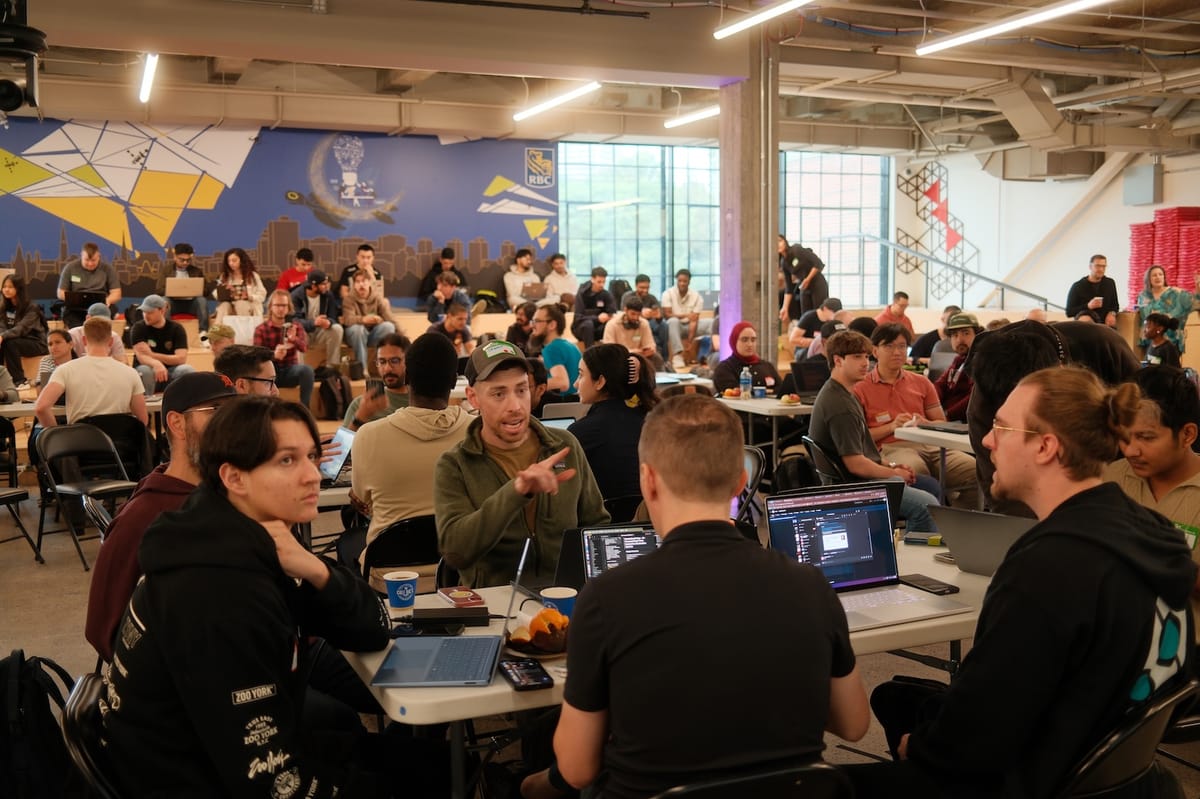
There’s a limit to what one person can build alone. You can have the technical skills, the ambition, even the right idea, but eventually the friction shows up: time runs out, perspectives narrow, and momentum slows. Building in isolation often feels like pushing a project uphill.
But something different happens when builders share a space. When people are working side by side—shipping code, trading ideas, arguing over product decisions late into the night—progress accelerates. Context moves faster. Mistakes become lessons everyone can learn from. And the gap between having an idea and actually moving forward begins to shrink.
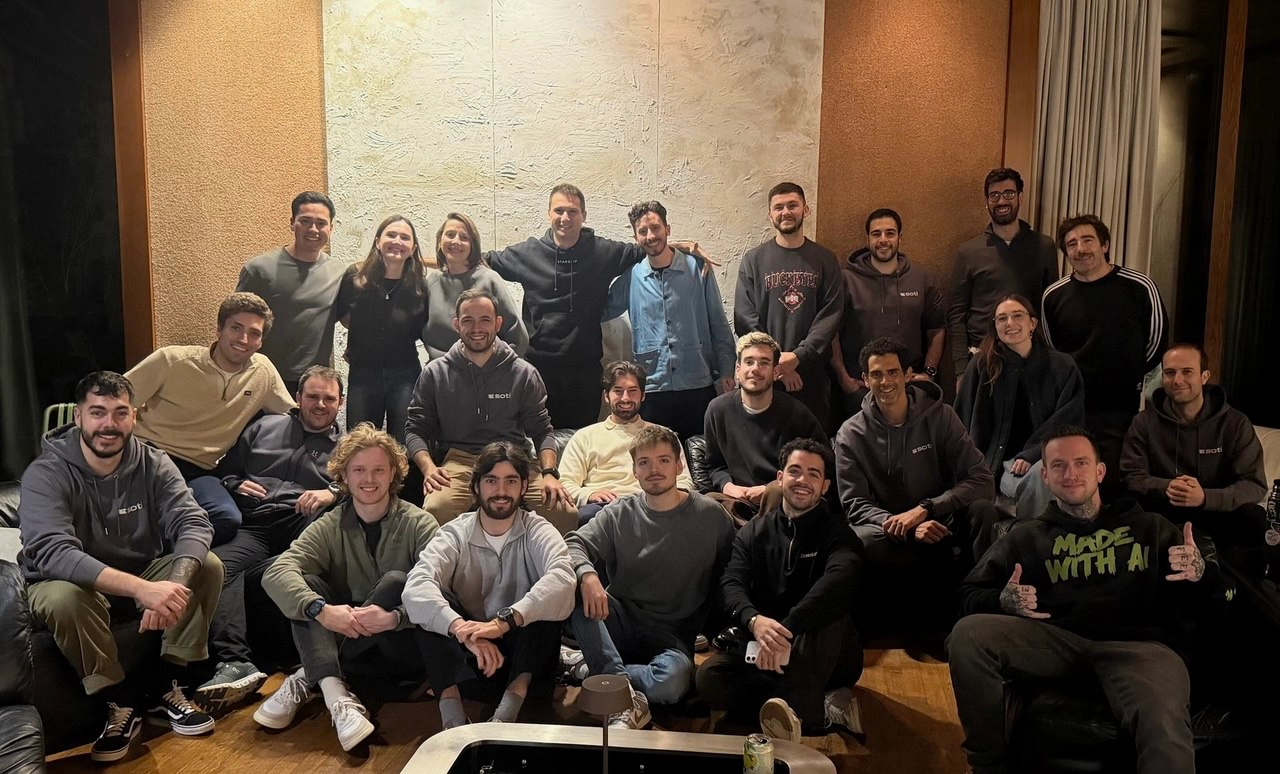
That belief sits at the center of what Marcos Valera, a go-to-market strategist at ElevenLabs, has been experimenting with over the past year: temporary hacker houses where builders live together, collaborate, and work on projects for weeks at a time.
Across cities as far apart as Bangkok, Italy, and Barcelona, Valera has organized what he describes as pop-up hacker houses—short bursts of co-living and co-building that bring together designers, engineers, marketers, and founders.
When he talks about them, he makes it clear that the distinction between organizer and participant doesn’t really exist.
“You might organize the logistics,” he said, “but once everyone is under the same roof building together, you’re just another person in the room trying to make something work.”
Valera describes himself simply: “I’m a builder. I’ve been building stuff all my life.” Outside his role at ElevenLabs, he spends time developing software projects with friends and collaborators. The instinct to connect with other builders came naturally.
Long before the hacker house concept became structured, it started as a small experiment.
The first version was almost casual: five friends renting a house in Bangkok for a month while working remotely on a minimum viable product.
“We went to Bangkok and rented a house there,” he recalled. “And we stayed for one month to work from there.”
What began as a simple idea—live together, work together—quickly grew.
The next edition took place in Italy with twelve participants. Then came Barcelona, where the concept expanded and began to resemble something more intentional.
“Following the one in Bangkok, I did one in Italy with 12 people and then one in Barcelona,” he said. “Barcelona was the biggest we’ve organized so far.”
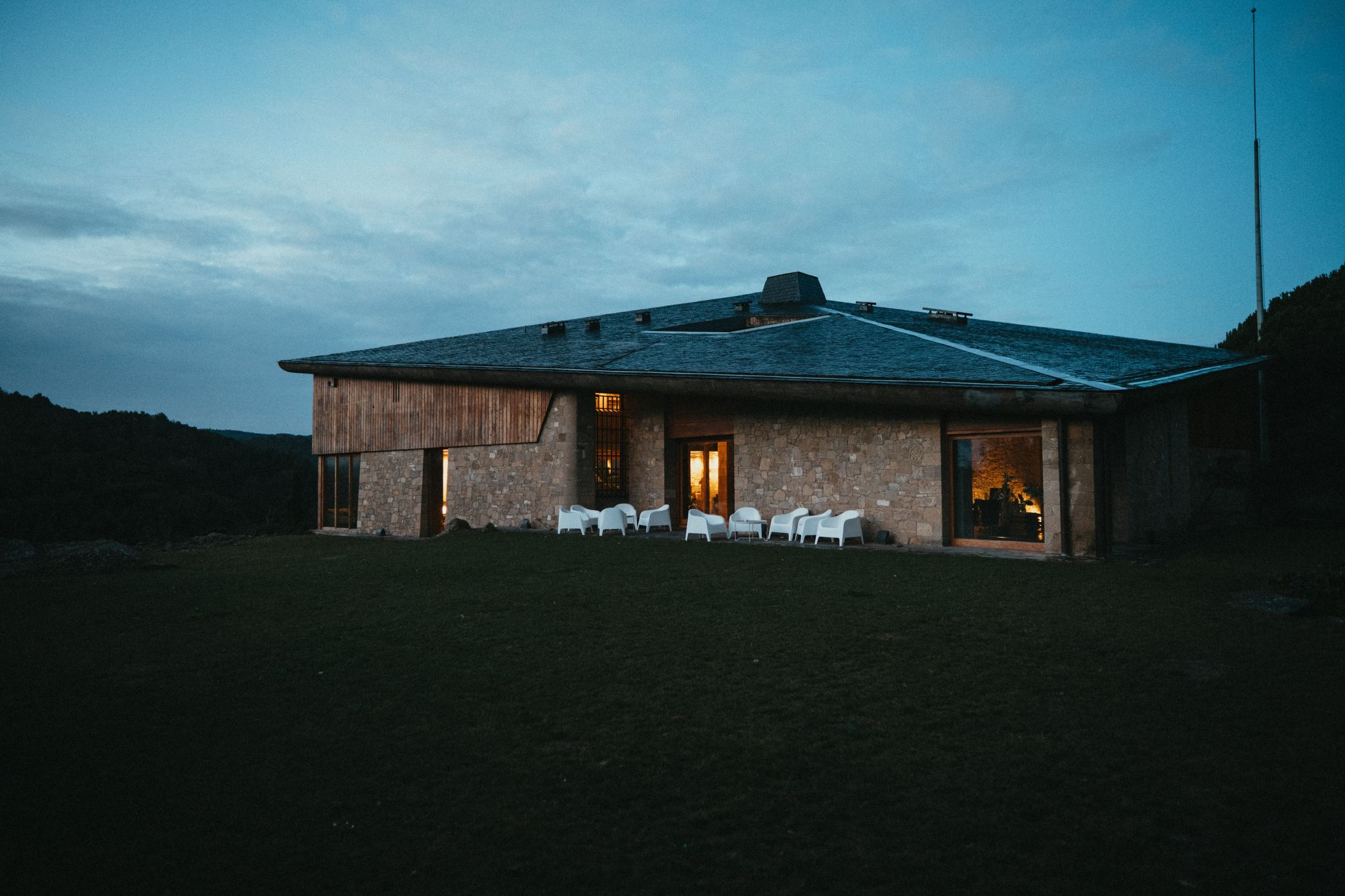
By then, the gatherings had taken shape as SOTI hacker house, a community built around the idea that proximity accelerates creativity.
The Barcelona edition drew particular attention. What started as a house for twenty people gradually expanded to more than sixty participants over the course of the week. Sponsors joined. Events formed around the house. Even DJs were brought in.
“I got some sponsors, organizations, and DJs,” Valera said with a laugh.
The structure remained simple: bring together people from different fields and let them build.
“We had people from design, social media, engineering, go-to-market, sales, and product,” he said. “The idea was to put them in the same house so they could build together and share opinions.”
What made the selection process unusual was how little it relied on formal criteria.
There were no strict age limits or credential checklists. Instead, Valera describes the decision process in terms of energy.
“We wanted to keep the vibe of the house in a certain way,” he said. “So it was more about a feeling than a checklist. People who genuinely wanted to build things.”
Of course, he admits, that kind of assessment is imperfect.
“Everyone can say they’re passionate,” he said.
The setting itself also plays a role. The house is intentionally separate from the chaos of the city—a large standalone property with multiple rooms, shared workspaces, and enough quiet corners to focus when needed.
Participants can choose between shared rooms or private ones. Reliable Wi-Fi is a necessity, but so is the ability to step away from the screen.
In practice, the days blur together: building, talking, debating, testing ideas, and occasionally stepping outside to reset.
For Valera, organizing these spaces has reinforced something he believes the tech industry has begun to forget.
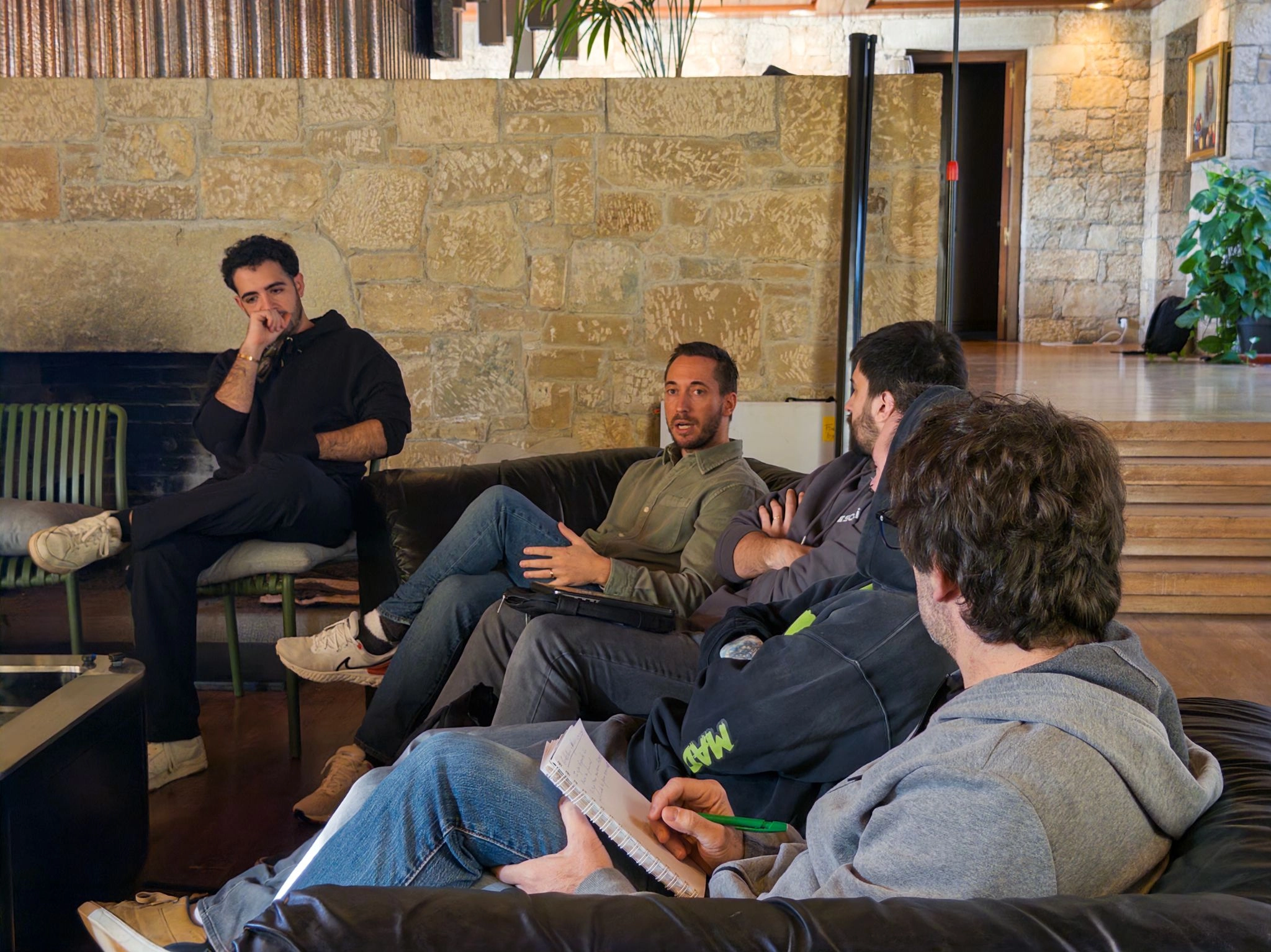
“The hacker houses really show me the value of meeting in person,” he said.
The modern tech ecosystem is deeply online. Software is built in distributed teams. Conversations happen in Slack threads and Discord channels. Communities form through social media posts and AI demos.
But the deeper connection—what Valera calls “offline community”—is harder to replicate.
“Especially in Europe or the U.S., we’re becoming more disconnected,” he said. “We spend so much time online, but we’re not connecting with each other like we used to.”
That realization is ultimately what pushed him to formalize SOTI.
Bringing people together physically, he says, changes the dynamic. Ideas move faster when you can read someone’s reaction across the table. Collaboration becomes easier when you’re sharing a kitchen or walking to dinner together after a long day of building.
The impact, he says, extends beyond the projects themselves.
The conversations, the debates, the shared experimentation—those moments reshape how participants think about collaboration and community.
For newcomers curious about hacker houses, Valera offers simple advice: find one that aligns with your stage and philosophy.
Some houses bring together experienced founders and senior engineers. Others are designed for early-stage builders still finding their footing.
“If you’re just starting in the tech ecosystem,” he said, “those houses can be amazing. You’ll meet a lot of people at the same stage as you.”
And sometimes, that’s exactly what a builder needs: not another tutorial or another online thread—but a room full of people trying to build something real.
 David Adubiina