



A single counterfeit sensor brought down an automotive assembly line for 14 hours, costing the manufacturer over $280,000 in lost production. This scenario plays out across industrial facilities worldwide, where fake automation components trigger equipment failures that cascade into operational nightmares.
For purchasing agents, every decision means balancing costs against downtime risks. Yet there's a clear path through this complexity: sourcing genuine automation parts backed by solid warranties transforms procurement from a gamble into a strategic advantage. Authentic components extend equipment lifecycles and provide predictable maintenance budgets.
Understanding where to find these verified parts and how to confirm their legitimacy separates procurement professionals who merely buy components from those who architect reliable supply chains.
Why Genuine Automation Parts with Warranty Are Crucial
Counterfeit automation components introduce failure rates up to 12 times higher than authentic parts, creating unpredictable maintenance cycles that devastate production schedules. These operational risks extend beyond immediate breakdowns—counterfeit parts often lack proper electrical insulation and thermal management, creating safety hazards and compliance risks.
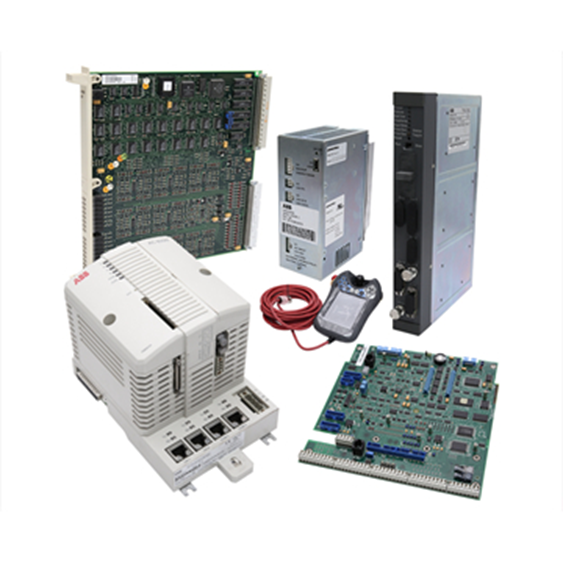
The true cost comparison reveals a stark reality: while counterfeit components may cost 30-40% less upfront, their average lifespan runs 60% shorter than genuine parts. Unplanned downtime makes total ownership costs several times higher. Genuine parts with manufacturer-tested tolerances maintain consistent performance across their rated lifecycles, allowing maintenance teams to plan replacements in advance.
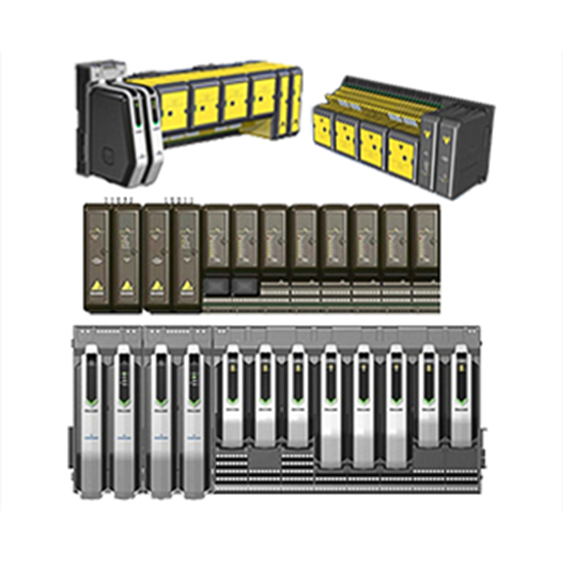
Warranties fundamentally shift financial risk from the buyer to the supplier. When a $2,000 servo drive fails within warranty, the manufacturer absorbs replacement costs and often covers associated labor—protection that vanishes with unauthorized parts. This coverage extends beyond direct replacement value: comprehensive warranties preserve equipment certification status. For purchasing agents managing capital equipment budgets, warranties transform unpredictable repair expenses into contractual obligations that suppliers must honor, ensuring production continuity.
Decoding Warranty Terms for Industrial Components
What a True 1-Year Warranty Should Cover
Legitimate manufacturer warranties protect against defects in materials and workmanship discovered during normal operation within the coverage period. This includes component failures resulting from manufacturing errors. Standard coverage typically handles replacement parts, return shipping, and sometimes installation labor. The critical distinction lies in what warranties explicitly exclude: damage from improper installation, operation beyond rated specifications, environmental contamination, and unauthorized repairs or modifications all void coverage.
Red Flags in Warranty Documentation
Vague language like "limited warranty" without specific coverage details signals potential claim denial scenarios that only surface during disputes. Unusually short claim windows—requiring notification within 48-72 hours of failure—create practical barriers that favor suppliers over buyers. To verify warranty legitimacy, cross-reference the supplier's documentation against the manufacturer's official warranty policy available on their corporate website, contact the manufacturer to confirm serial number coverage and supplier authorization.
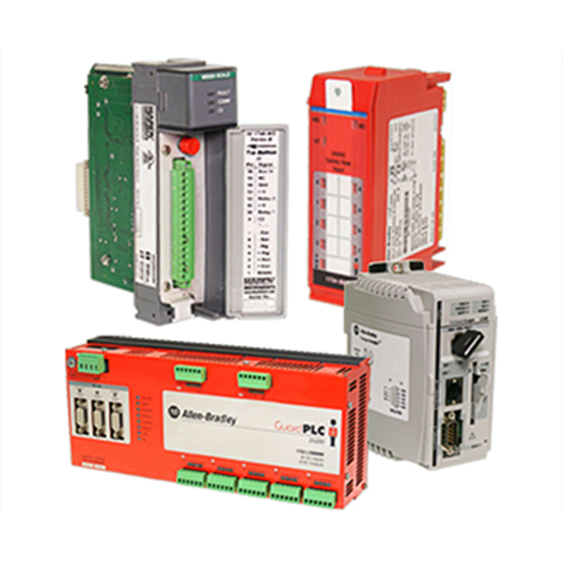
Top Sources for Guaranteed Automation Parts
Manufacturer Direct Channels
Accessing parts directly from original equipment manufacturers eliminates intermediary risks and guarantees authenticity. Most major automation brands maintain searchable online catalogs to verify part numbers and specifications. Direct ordering through manufacturer portals ensures complete warranty activation from the date of purchase, with serial numbers automatically registered to the buyer's account. The technical support advantage proves invaluable when troubleshooting compatibility issues—OEM engineers possess intimate knowledge of component interactions that generic suppliers cannot match.
Certified Distributors Network
Authorized distributors combine manufacturer-backed authenticity with regional accessibility and faster delivery times. Verification starts with the manufacturer's website, where most brands publish current lists of certified partners organized by region and product category. They offer real-time inventory visibility and fast delivery for critical components. The authorization status matters because only certified partners can honor manufacturer warranties—purchasing identical part numbers from unauthorized resellers often voids coverage regardless of authenticity.
Specialized Industrial Marketplaces
Digital platforms designed specifically for industrial procurement now offer authentication programs that verify seller credentials and component legitimacy before listing. Leading marketplaces require sellers to provide authorization documentation, maintain quality standards. They aggregate certified inventory for easier comparison. Advanced platforms integrate warranty tracking that automatically logs purchase dates, stores documentation, and sends alerts before coverage expires, transforming warranty management from a filing cabinet nightmare into an automated system that ensures maximum protection utilization across entire equipment inventories.
Step-by-Step Verification Process for Buyers
Begin supplier vetting by requesting current ISO 9001 certification and industry-specific accreditations like TÜV or UL listings. Physical verification starts the moment parts arrive: examine packaging for manufacturer holograms, tamper-evident seals, and print quality that matches genuine samples. Check serial numbers through the manufacturer’s verification portal. Many leading brands now offer smartphone apps that scan QR codes or NFC tags embedded in components, instantly validating authenticity against blockchain-secured databases. Complete warranty registration within 30 days of purchase by submitting proof of purchase and serial numbers through the manufacturer's warranty portal, ensuring coverage activation and proof of due diligence.
Building a Reliable Procurement Strategy
Sourcing genuine automation parts with comprehensive warranties isn't just procurement best practice—it's operational insurance that prevents the cascading failures counterfeit components trigger across production lines. The path to reliable supply chains runs through three verified channels: manufacturer direct purchasing for critical components requiring immediate technical support, certified distributor networks for regional accessibility and faster delivery, and specialized industrial marketplaces that aggregate authenticated inventory with built-in warranty tracking.
Each sourcing decision should pass through a verification gauntlet: confirming supplier authorization status through manufacturer databases, physically inspecting components for authentication markers, validating serial numbers through official channels, and completing warranty registration within activation windows. Purchasing agents who implement these protocols transform procurement from a cost center vulnerable to counterfeit infiltration into a strategic function that delivers predictable equipment performance and protected capital investments.
The question isn't whether your facility can afford genuine parts with warranties—it's whether you can afford the production losses, safety incidents, and emergency repairs that inevitably follow when procurement standards slip. Start by auditing your current supplier list against manufacturer authorization databases, then establish verification protocols that make authenticity confirmation a non-negotiable step in every purchase order, creating the supply chain resilience that keeps production running when competitors are scrambling for emergency replacements.


