For a certain kind of creative professional, the Mac Pro was more than just a computer. It was a promise.
A promise that if you were willing to spend heavily, at least $7,000 in this case, you would own the most powerful computer Apple could possibly make, and the hindrance to achieving your full creativity will never be your hardware.
The kind of machine built for 8K video timelines, massive photo libraries, 3D renders, orchestral music projects, and codebases that could bring regular laptops to their knees.
It had huge memory capacity, serious cooling, PCIe expansion slots, multiple GPUs (in the Intel era), and a design that encouraged upgrades instead of discouraging them.
But Apple evolved past it. As the company developed what many now consider the gold standard for computer silicon, the M-series, the Mac Pro gradually stopped receiving the same attention.
 Oluwaseun Bamisile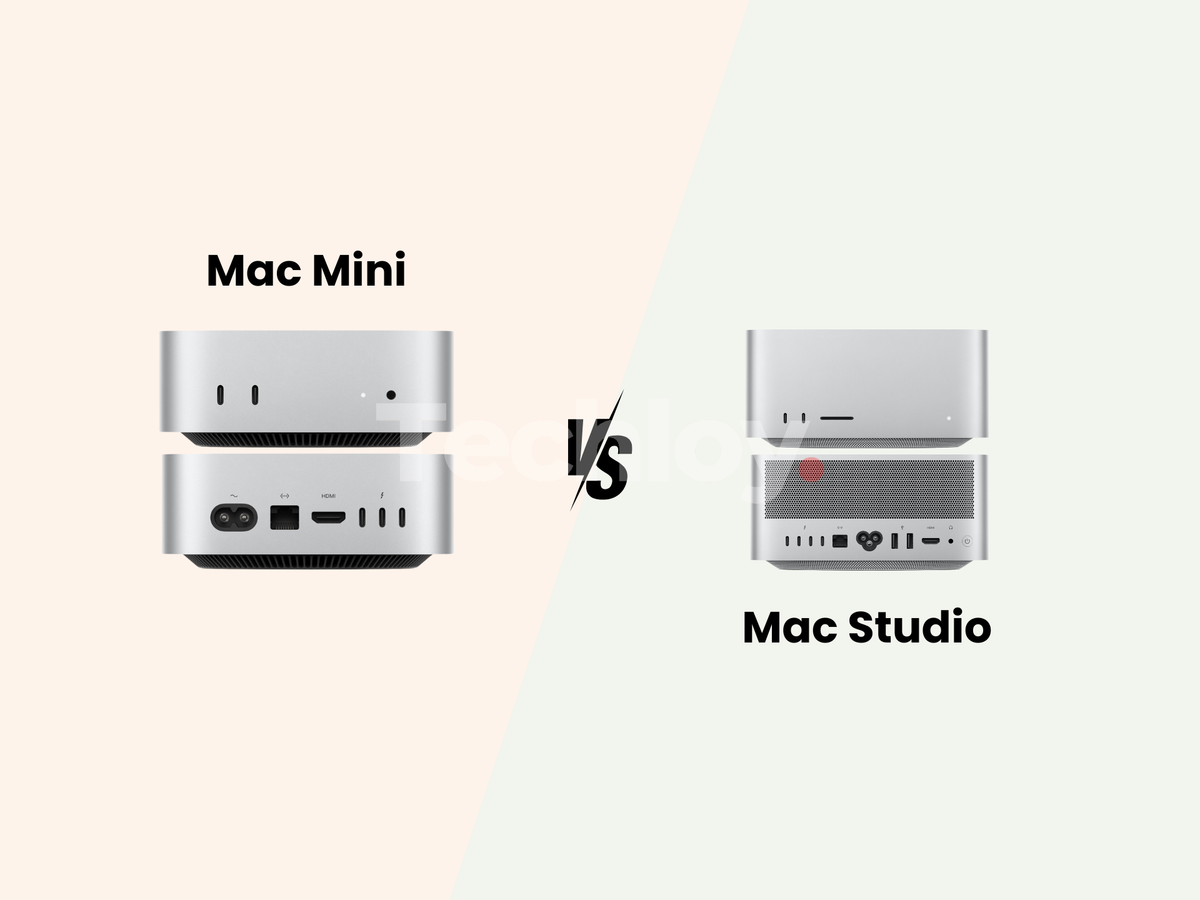
That’s why, for people who have been following its journey, the latest reporting on the Mac Pro doesn’t come as a surprise. If anything at all, it’s symbolic.
Apple has now quietly discontinued the desktop, per multiple reports yesterday, effectively ending a product line that once represented the absolute peak of professional computing in the Mac ecosystem. If you visit Apple’s Mac lineup today, you won’t find it there. And if you’ve been paying attention, you’ll realise Apple stopped treating it like a priority a while ago.
The last meaningful update came in 2023 when Apple moved it to the M2 Ultra chip. After that, while the Mac Studio kept getting newer chips and attention, the Mac Pro stood still. No M3 Ultra. No roadmap for an M4 Ultra. And now, no Mac Pro at all.
For users, it became obsolete, useful but not needed.
As someone on X bluntly put it: “The Mac Pro died the moment a $1,600 Mac Mini started outperforming it on real workloads. Apple just finally stopped pretending. The real story is that $7,000 cheese graters lost to a device you can hide behind a monitor.”
the Mac Pro died the moment a $1,600 Mac Mini started outperforming it on real workloads. Apple just finally stopped pretending. the real story is that $7,000 cheese graters lost to a device you can hide behind a monitor
— Brian Johnson (@_brian_johnson) March 27, 2026
It’s hard to disagree with that sentiment.
In a way, the Mac Studio solved the same problem the Mac Pro was built to solve, but in a much smaller, cheaper, and more efficient box. For many professionals, it delivered nearly identical performance without the size, complexity, or eye-watering cost.
The original purpose of the Mac Pro was to remove limits. But Apple’s M-series chips changed the definition of what “no limits” looks like. Power efficiency replaced brute-force expandability. Integrated performance replaced modular upgrades. And suddenly, the massive aluminium tower that once symbolised professional freedom started to feel like a relic of a different computing age.
Apple didn’t really kill the Mac Pro overnight. It slowly let it become irrelevant.
For users who admired it from afar, this feels like the end of an era. For those who owned one, it’s the quiet acknowledgement that the future of professional Macs no longer needs a giant tower to prove a point.
Like the Tyrannosaurus Rex, towering over the forest as the largest of the dinosaurs, the Mac Pro would need to bow out for the nimbler computers in the Mac lineup.
 Louis Eriakha