



Tencent, the Chinese tech giant with deep ties to some of the world’s biggest video games, has found itself pulled directly into US-China political tensions.
At the centre of the debate is Tencent’s stake in Epic Games, the company behind Fortnite. Tencent also has investments in League of Legends, Supercell, and Clash of Clans.
According to a report by the Financial Times, top officials in President Donald Trump’s administration have been considering whether Tencent should be allowed to maintain its stakes in major US gaming companies, citing national security concerns and data privacy
Trump has long argued that Chinese companies operating in or investing in US firms could pose risks if they have access to sensitive data. In the case of Tencent, officials are reportedly scrutinizing whether its gaming investments could expose personal user information, financial data, in-game communications and chat logs, and behavioural and usage patterns of millions of Americans.
Gaming platforms like Fortnite collect enormous volumes of user data.
 Emmanuel Umahi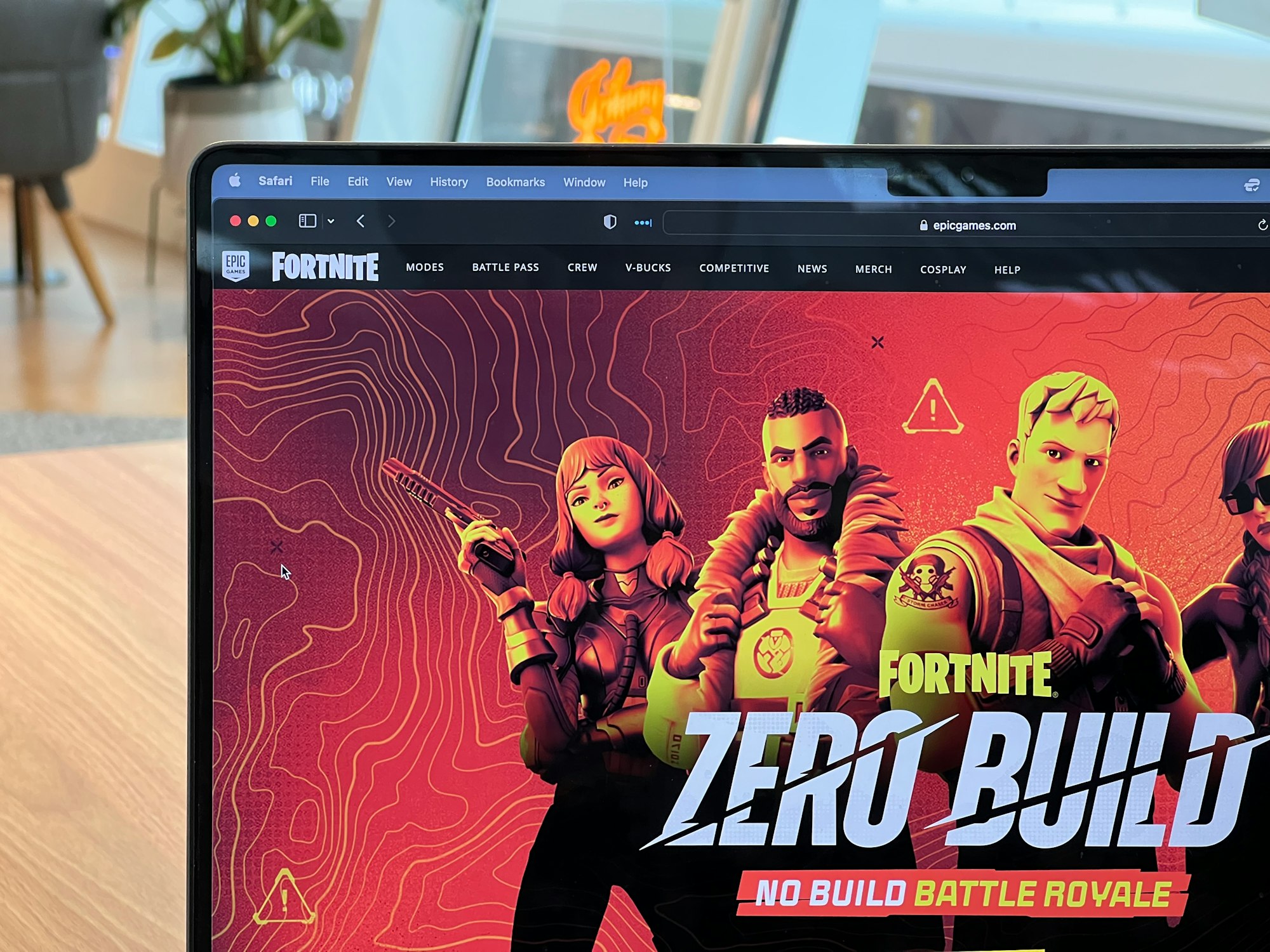
How Big Is Tencent’s Role in Gaming?
Tencent isn’t just a passive investor in Epic Games.
The company holds a 28% stake in the North Carolina-based studio. It also owns Riot Games, the creator of League of Legends, and Supercell, the Finnish developer behind Clash of Clans.
Those investments helped make Tencent one of the largest video game companies in the world by revenue.
This has made it a long-running subject of review by the Committee on Foreign Investment in the United States (CFIUS), the panel that evaluates foreign investments for national security risks.
This comes as Trump is scheduled to travel to China in April to meet Xi Jinping. According to the FT, officials have been holding meetings to decide whether Tencent’s gaming investments should be allowed to stand, be restricted, or be forced into divestiture.
Is This About Fortnite or Something Bigger?
While Fortnite is the most recognisable name in the conversation, this issue is part of a broader US policy pattern.
In recent years, Washington has increased scrutiny of Chinese companies across sectors, from technology to electric vehicles. Tencent’s case sits at the intersection of data privacy, foreign ownership of US companies, US-China geopolitical tensions, and national security policy.
A few months ago, a consortium of American investors took ownership of TikTok after months of debates about data protection for Americans on the app, which is owned by ByteDance, a Chinese company.
Some people, however, have said that the risks with Tencent can be managed through safeguards, arguing that forcing divestitures could escalate tensions unnecessarily ahead of the high-level diplomatic talks.
What Happens Next?
For now, no formal decision has been announced.
The Treasury hasn’t made a comment on the CFIUS review. Tencent, Epic Games, and Riot Games have also not made any public comments on the matter.
The Trump administration could ultimately allow Tencent to keep its investments with strict data protections, require structural changes or safeguards, or force partial or full divestiture of US gaming assets.
Whatever the outcome, the decision will likely send a signal, not just to Tencent, but to other Chinese investors and companies operating in the US.
 Emmanuel Umahi


