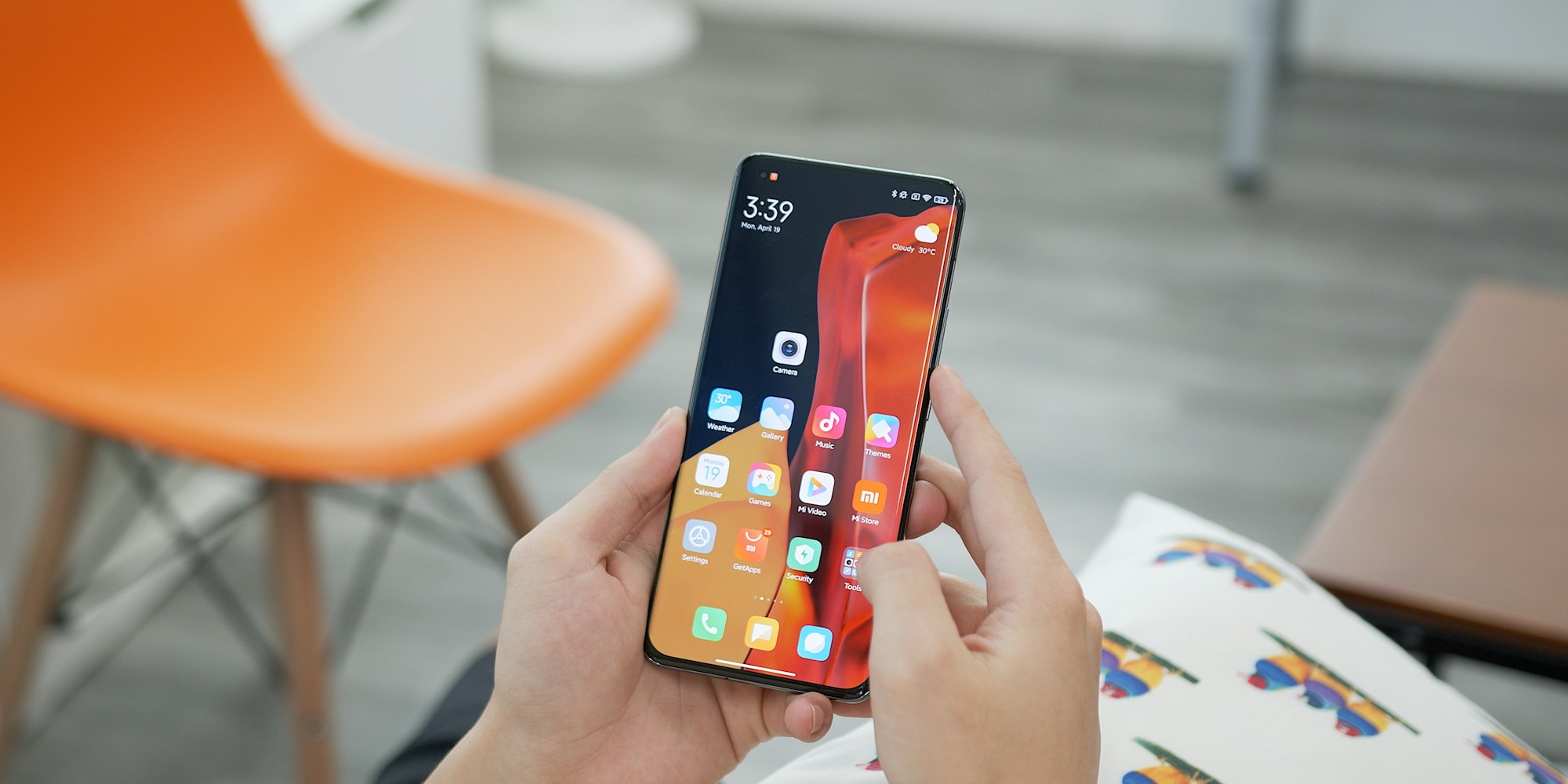
POCO and Redmi users are getting a major upgrade. Xiaomi has started rolling out HyperOS 3 for the POCO X8, POCO X9 Pro, and Redmi Note 14 Pro, and the update promises a big leap into AI-powered smartphone experiences. Built on Android 16, HyperOS 3 is Xiaomi’s latest push to compete with Apple and Google in the “smartphone intelligence” race.
According to early reports, the firmware files vary slightly depending on the device, but they all weigh in at around 6.5GB. That means updating won’t be a one-click job: users are advised to switch to Wi-Fi, keep at least 40% battery, and clear storage space to avoid installation failures.
Once installed, the first thing users will notice is a visual overhaul. Xiaomi is introducing its own version of Apple’s Dynamic Island, called Hyper Island, which sits at the top of the display to show live tasks like charging, navigation, and music playback. Floating windows have also been upgraded for smoother multitasking. The lock screen is getting smarter too, with AI Cinematic Lock Screen effects and AI Dynamic Wallpapers that adjust to your preferences in real time. Icons will look bolder, smoother, and more modern, a step closer to premium UI styling.
 Oyinebiladou Omemu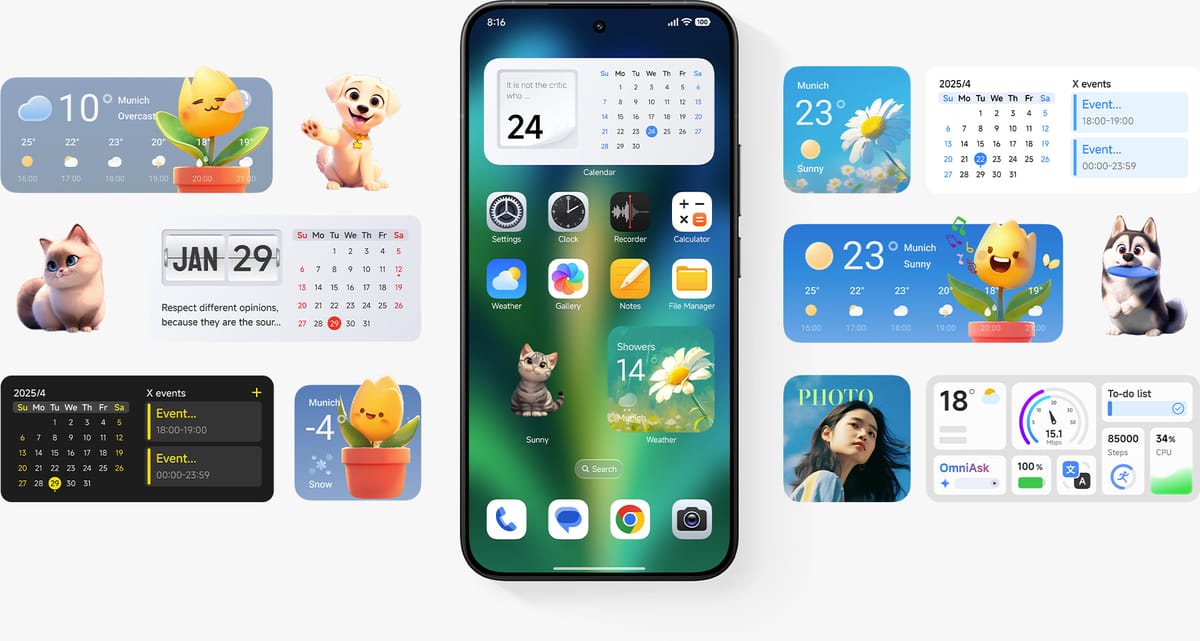
But the real game-changer is Xiaomi’s deeper dive into on-device AI. HyperAI, the new intelligence layer, brings features like screen image recognition, Deep Think Mode, better speech recognition, background noise reduction, instant summaries from recordings, and AI search that can summarize files and scan media stored on your phone. It turns your device into a mini assistant that doesn’t always need the cloud to think.
This update reflects Xiaomi’s strategy of using AI to level the playing field, especially in markets like India, Nigeria, and Southeast Asia, where mid-range phone users expect top-tier features without premium prices. If HyperOS 3’s performance holds up, Xiaomi could shift user expectations for what a $300 phone should be able to do.
The takeaway
HyperOS 3 brings flagship-level AI tools to budget and mid-range devices, making everyday tasks smarter and more efficient. But before upgrading, users need to clear space, charge up, and update over Wi-Fi to avoid installation issues. If Xiaomi delivers on speed and stability, this update could redefine AI on affordable phones and intensify the competition against Apple-style features at a fraction of the cost.
 Ogbonda Chivumnovu