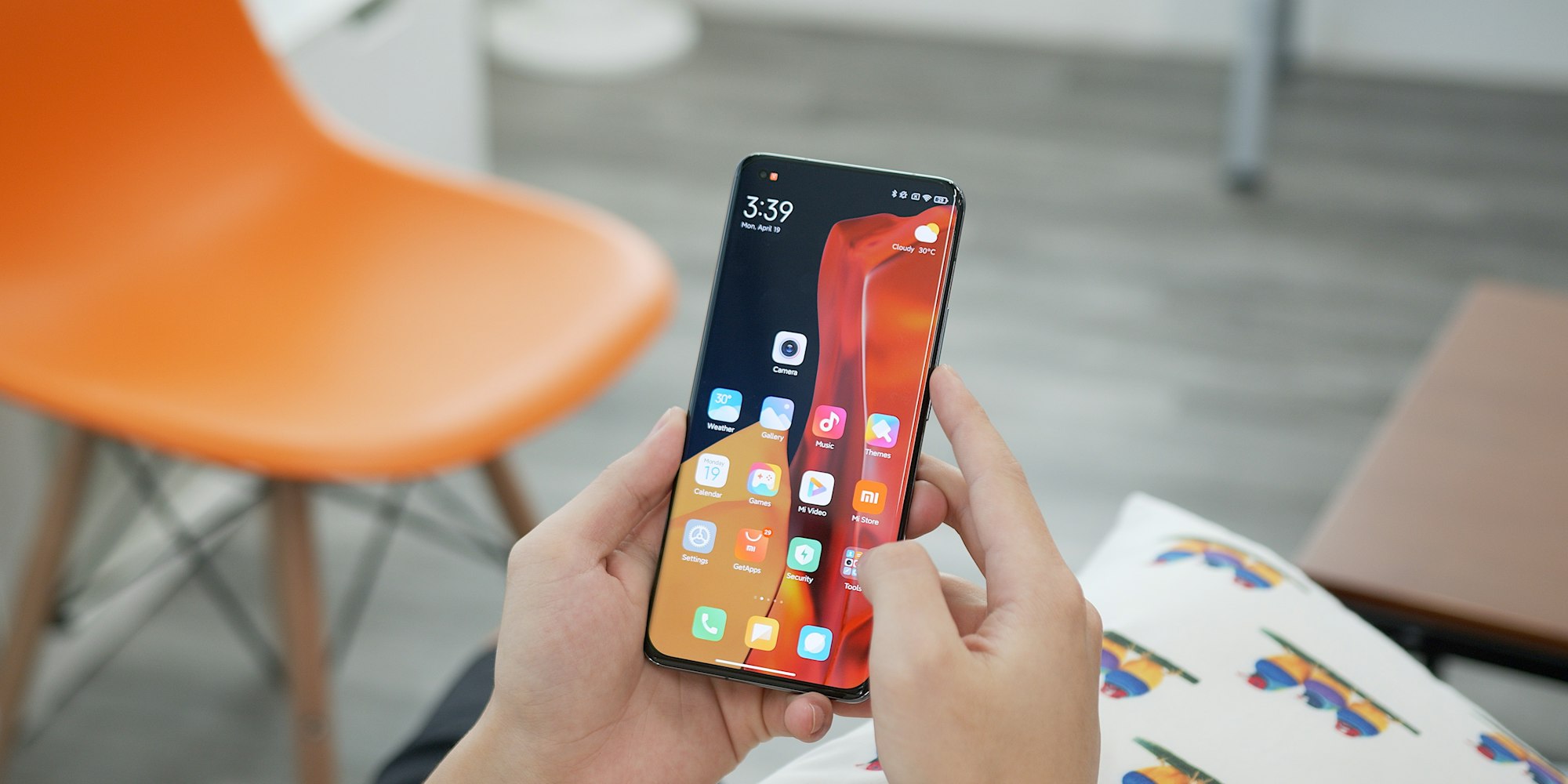
After weeks of beta testing and user feedback, Xiaomi is finally ready to show what they've been cooking, and it's clear they're ready for a good fight.
The company rolled out the stable version of HyperOS 3 to its first batch of flagship devices, starting with six models in China: the Xiaomi 15, Xiaomi 15 Pro, 15S Pro, 15 Ultra, Redmi K80 Pro, and Redmi K80 Ultra. Global users won’t have to wait long either, with the rollout expected to begin later this month.
HyperOS 3 is built on Android 16, but you wouldn't immediately know it because Xiaomi borrowed heavily from the iOS design. It's got its own version of Dynamic Island called "Super Island" or "Hyperland," which actually does the iPhone feature one better by supporting up to three islands and floating windows at once. There's also an iOS 16-style lockscreen with AI-powered cinematic wallpapers.
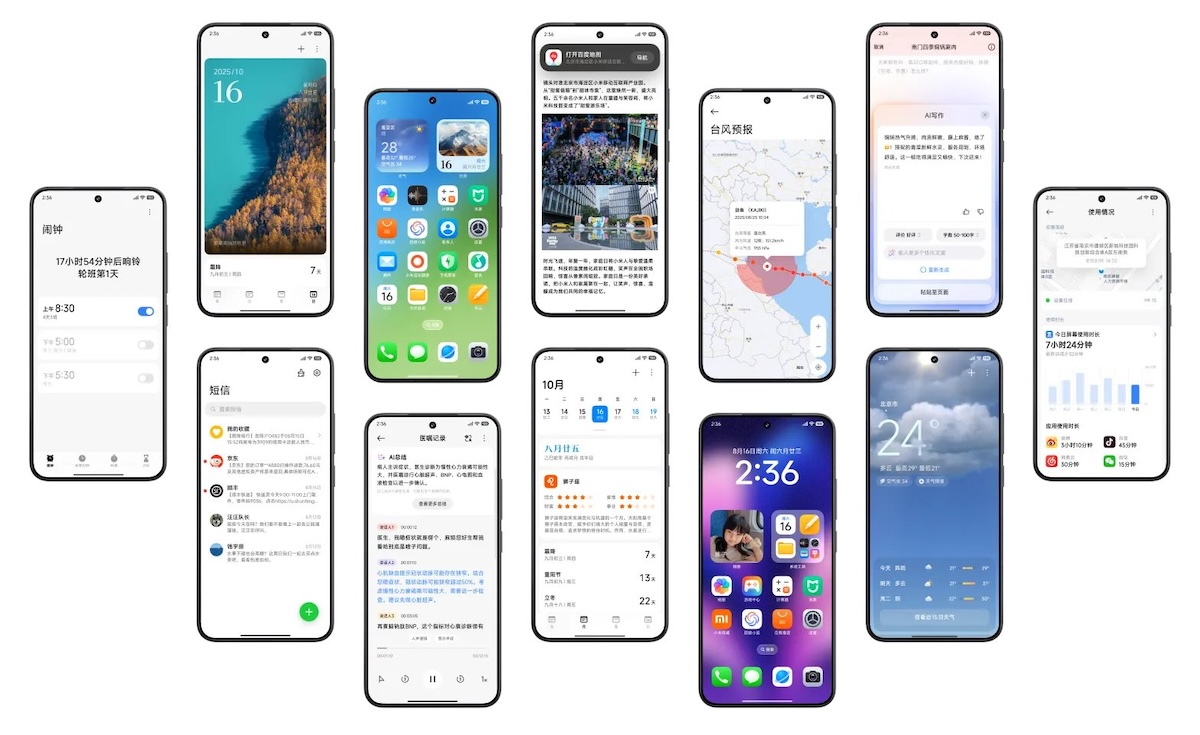
Xiaomi claims the update delivers up to 30% better performance and smoother system operation compared to the previous version. Beyond the performance boost, HyperOS 3 reportedly reduces app load time by 21%, while gamers can expect 15% better low frame rates and 9% lower power consumption during intensive gameplay.
What's really catching is how Xiaomi's playing nice with Apple devices. You can run Xiaomi apps on your iPad, open multiple apps from your Xiaomi phone on a Mac in separate windows like native apps, and even unlock your Xiaomi phone using Touch ID or Face ID.
Samsung's been building its ecosystem for years, but here's Xiaomi actually bridging the gap between Android and iOS. This ecosystem approach puts HyperOS 3 in direct competition with Samsung OneUI and even challenges Apple's tightly controlled ecosystem.
 Ogbonda Chivumnovu
Despite the excitement, HyperOS has always been aggressive with RAM management, and version 3 continues that tradition. If you need multiple apps running in the background, you might get frustrated when the system decides to close things you're still using.
The heavy iOS influence also means HyperOS 3 doesn't feel particularly original. Some users won't mind that, but if you're looking for something unique, this might not be it. And there's still some bloatware on Xiaomi devices, though most of it can be uninstalled these days.
When you stack HyperOS 3 against the competition, it's actually holding its own. It's more customizable than iOS, offers better gaming optimizations than stock Android, and rivals Samsung OneUI when it comes to ecosystem features. Xiaomi's created this interesting hybrid that takes the best parts of iOS design and Android flexibility, wrapped in a package that's finally mature enough to compete with the industry leaders.
 Ogbonda Chivumnovu