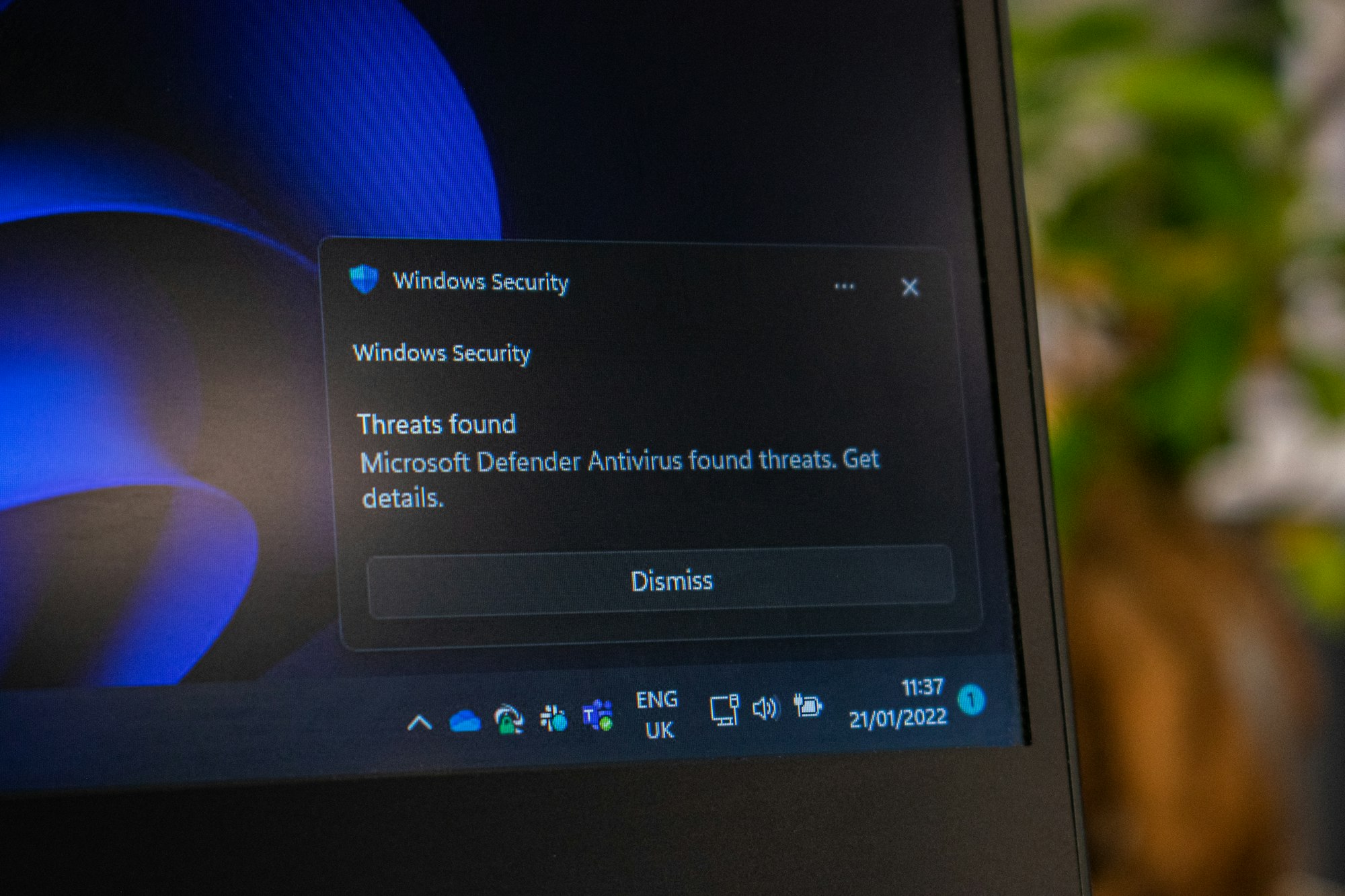
The idea that “you don't need antivirus software anymore” has aged poorly. A single virus can cripple an entire computer, stealing vital information like passwords, media, personal info, e.t.c.
Just last year, data from Deepstrike estimated the global cost of cybercrime—which includes damages from viruses, malware, and ransomware—reached a staggering $10.5 trillion annually.
With the rise of AI, viruses are becoming more advanced and smarter, blending into apps, emails and everyday tools you use. In 2026, choosing an antivirus software is about staying a step ahead of the curve.
Here are the 10 off the best antivirus software to consider in 2026:
1) Bitdefender Antivirus Software
Bitdefender has remained one of the highly rated antivirus software programs around. In March 2025, AV-Comparatives, an independent organisation that tests and assesses antivirus software, gave Bitdefender an online protection rate of 99.97%.
When it came to offline rates, which spot offline virus sources like USB drives, despite performing very well, Bitdefender dropped slightly to 98.7%. Also, every AV-test since June 2022 has given it a 6 out of 6 security rating.
Bitdefender combines great malware detection, a clean interface, and a vast range of security features that start from basic protection to full-blown digital privacy suites.
Best for: Windows users who want powerful protection with optional premium extras.
Price: From $34.99–$64.99 (first year); free Windows version available.
2) Norton
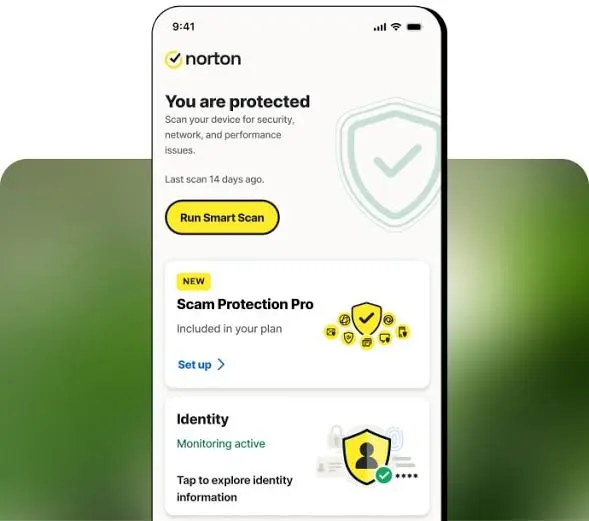
Norton is one of the well-rounded antivirus options in 2026, especially for users who value privacy and keeping their identities safe. All plans include real-time protection, automated scans, a password manager, and a Genie Scam Detector — an AI tool that scans messages, emails, and websites for scam behaviour.
One of its more sought-after features is its cloud backup, which starts at 2 GB or more on more expensive plans. And for normal everyday users, this could be more useful than getting identity insurance that you may never use.
For its higher-tier plan, Norton offers VPN access, dark web monitoring, parental controls, and financial protection tools. But, the tradeoff with Norton is that it doesn't offer the same level of identity theft insurance as some competitors.
Best for: Users who want strong privacy tools and simple cloud backups
Price: From $30 (first year); renewal prices are higher.
3) Avast
Avast is still probably the easiest antivirus to recommend to new users in 2026. It has a detailed guide for its setup process, features are explained plainly, and the interface is easy to navigate.
Its Smart Scan feature goes beyond just scanning for malware; it also scans for system weaknesses and junk files. Like Bitdefender, it also performed well in third-party lab tests and keeps virus impact low, even on older devices.
The major downside of Avast is its lack of family protection. Avast doesn't offer parental controls in its premium plans, which is useful for households with children.
Best for: Beginners and users seeking reliable protection without complexity.
Price: Free version available; paid plans start around $35.88/year.
4) McAfee
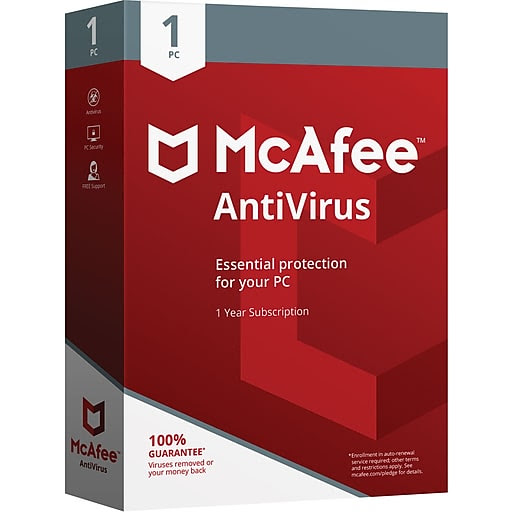
McAfee’s biggest strength in 2026 is flexibility. Although its single-device antivirus still exists, McAfee obviously wants users on its broader McAfee+ plans, which offer unlimited device protection across platforms.
McAfee also offers useful privacy tools such as file shredding and tracker removal, which makes it a good option for people who share computers or want stronger local privacy controls.
The pricing model can seem confusing, and it’s also not the cheapest option for single-device users. But for households with many devices, McAfee can be cost-effective.
Best for: Families or users with many devices.
Price: From $49.99/year; unlimited plans cost more.
5) Avira
Avira still stands as one of the strongest free antivirus options. Its free tier includes real-time protection, basic device optimisation tools, a password manager, and a VPN (with limited data).
Paid plans unlock better performance tools and unlimited VPN bandwidth, but Avira’s VPN and customer support are not as great as those of some other top competitors. Some features are also locked to specific operating systems, which may frustrate users with mixed devices.
Nevertheless, Avira offers excellent malware detection and remains a strong choice for users who want good protection without paying upfront.
Best for: Budget-conscious users who want more than a basic antivirus.
Price: Free tier available; paid plans from $35/year.
6) TotalAV
TotalAV performs reliably across Windows, macOS, Android, and iOS, using a combination of real-time cloud analysis and traditional signature-based detection to stop threats before they appear on your device.
It also performed well in third-party testing, handling phishing attempts, crypto jacking malware, and browser-based attacks in particular, which makes it a solid everyday option.
Where TotalAV really distinguishes itself is the bundled ad and browser protection. Total Adblock goes above cosmetic ad blocking. It actively prevents malicious scripts, trackers, and pop-up scams from loading at all, which reduces page load times and limits exposure to shady clickbait sites.
It also adds another layer of security with Total Browser Extension (WebShield), which flags malicious URLs, blocks suspicious downloads and enforces secure HTTPS connections when available. Those concerned about monitoring inbound network traffic may want to pair it with built-in OS firewalls.
Best for: Users who want antivirus, ad blocking, and system optimisation in one package
Price: Starting around $19-$49, but renewal prices jump substantially.
7) Aura Antivirus
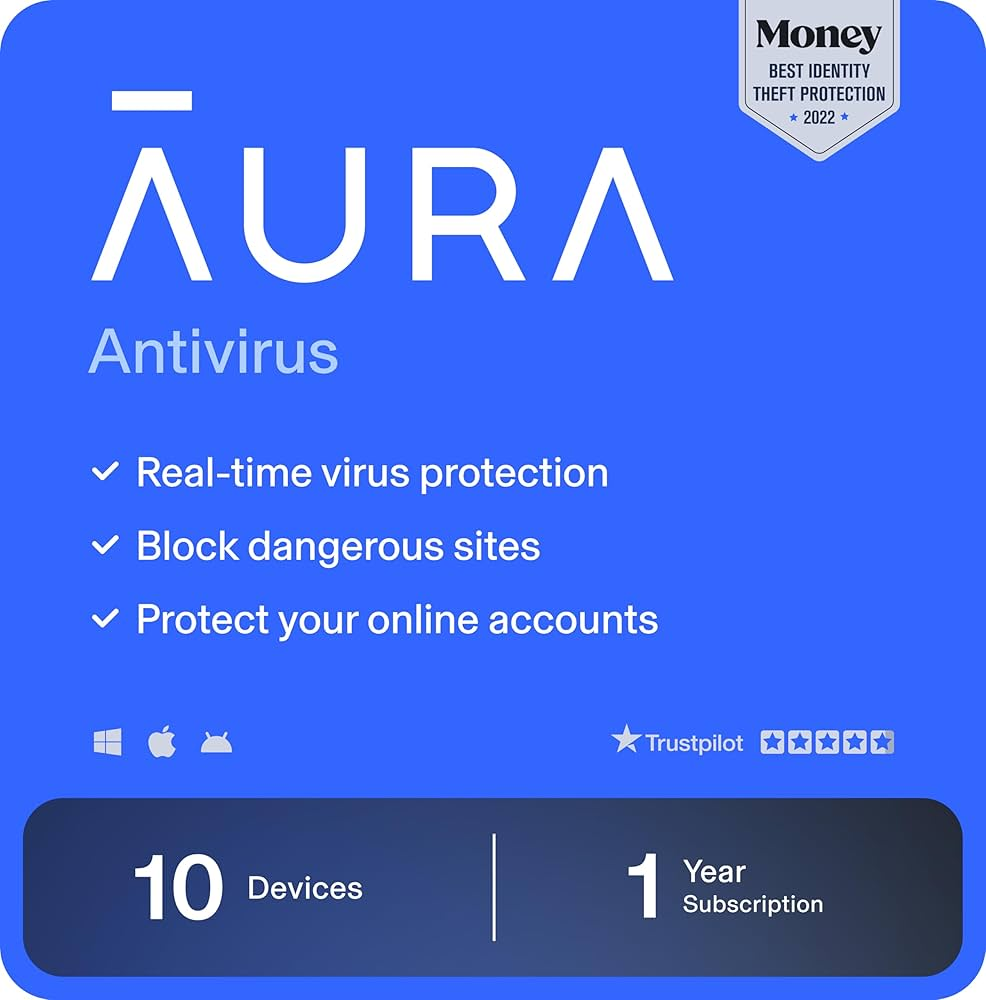
Aura takes a very different approach to antivirus in 2026. Rather than competing purely on malware detection scores, it positions itself as an identity security platform with antivirus baked in.
Alongside malware protection, Aura offers credit monitoring, fraud alerts, breach scanning, and automated data broker removal requests. For users worried about identity theft, account takeovers, or long-term financial fraud, this integration is one of the strongest available.
The antivirus component covers core essentials: real-time protection on Windows, ransomware scanning, a built-in VPN, safe browsing tools, password management, and browser-based anti-tracking.
Aura is especially good for people who want a “set it and forget it” solution. The biggest concern is transparency. Aura has not submitted its antivirus engine to major independent testing labs like AV-TEST or AV-Comparatives. In hands-on testing, it passed EICAR malware checks but also produced some false positives, including incorrectly flagging a legitimate Steam download.
Best for: Users prioritising identity theft protection over raw AV benchmarking.
Price: Individual: ~$144/year, Couple: ~$264/year, Family: ~$444/year, Kids: ~$120/year.
8) Surfshark Antivirus
Surfshark Antivirus is part of the Surfshark One subscription, and it’s designed for users who want everything covered under a single, predictable price. There are no confusing device limits, and no sharp renewal price jumps, which already puts it ahead of many competitors.
The antivirus itself is lightweight and works well alongside Surfshark’s broader tools: VPN, CleanWeb ad blocking, breach alerts, and Incogni data removal. This makes it especially appealing to users concerned about tracking, data leaks, and public Wi-Fi risks.
Importantly, Surfshark submitted its Windows antivirus to AV-TEST and received top marks for both protection and usability. That level of transparency matters, especially for a product that started as a VPN service.
The downside is its lack of flexibility. Surfshark does not sell its antivirus as a standalone product. If you only want basic AV protection, the full bundle may feel excessive.
Best for: Budget-conscious users who want antivirus, VPN, and privacy tools together.
Price: Around $2.49/month for Surfshark One (on a 27-month plan with 3 extra months) and $4.19/month for One+ (on a 27-month plan with 3 extra months) on longer plans.
9) MacKeeper
MacKeeper stands out by being unapologetically Mac-focused. While many antivirus tools treat macOS as an afterthought, MacKeeper offers a full security and optimisation suite designed specifically for Apple systems.
Premium plans include real-time malware protection, a VPN, data breach monitoring, ad blocking, and multiple performance tools. In AV-TEST evaluations on macOS Monterey, MacKeeper scored above industry averages for protection and performance and recorded zero false positives. It has maintained consistent AV-TEST participation since 2021, which builds long-term confidence.
MacKeeper’s optimisation tools are genuinely useful. Features like Smart Uninstaller, Duplicates Finder, Safe Cleanup, Login Items management, and StopAd work together to keep Macs responsive without manual maintenance. Unlike some Mac “cleaners,” these tools don’t feel aggressive or intrusive.
Best for: macOS users who want native protection plus performance tools.
Price: Starting around $14.95-$16.95/month billed annually for 1-3 devices.
10) AVG
AVG continues to excel where many antivirus tools struggle: staying out of the way. In independent performance benchmarks, it consistently ranks near the top, with minimal impact on boot times and system resources.
In hands-on testing, AVG felt lighter than even some higher-scoring competitors. Full scans completed quickly, background activity stayed low, and real-time protection didn’t interfere with multitasking, gaming, or creative workloads.
AVG also offers flexible scan options, including targeted folder scans and custom rules, which areis useful for advanced users who want control without complexity.
On mobile, AVG is particularly strong. Its Android and iOS apps include call blocking, photo vaults, real-time scanning, anti-theft tools, and a mobile VPN, making it one of the most holistic mobile security options available.
The main frustration is upselling. Even on paid plans, AVG frequently promotes additional optimisation tools and upgrades. They aren’t third-party ads, but the constant prompts can break the otherwise clean experience.
Best for: users who want strong protection with minimal system impact.
Price: AVG offers a free tier, AVG Internet Security (around $40-$60 first year, higher renewal), and AVG Ultimate (around $60 first year, higher renewal).
 David Adubiina