2025 was a fascinating year in tech. AI pushed deeper into everything — even driving up RAM prices — and we got our hands on major new hardware like the Switch 2, the Galaxy Trifold, and Galaxy XR. If you enjoyed last year’s stream of launches and announcements but lost track somewhere along the way, 2026 is shaping up to be an even bigger ride.
The calendar is already filling up with showcases, keynotes, and product reveals, with some events even kicking off earlier than expected. And as always, the best way to understand the year ahead is to look at the major events that anchor new hardware, software roadmaps, and broader industry trends.
So we’ve pulled everything into one place.
Here’s a month-by-month look at the biggest confirmed and expected tech events of 2026, based on current reports, timelines, and early industry rumours.
 Louis Eriakha
1. January
CES 2026 and the AI Inflexion Point
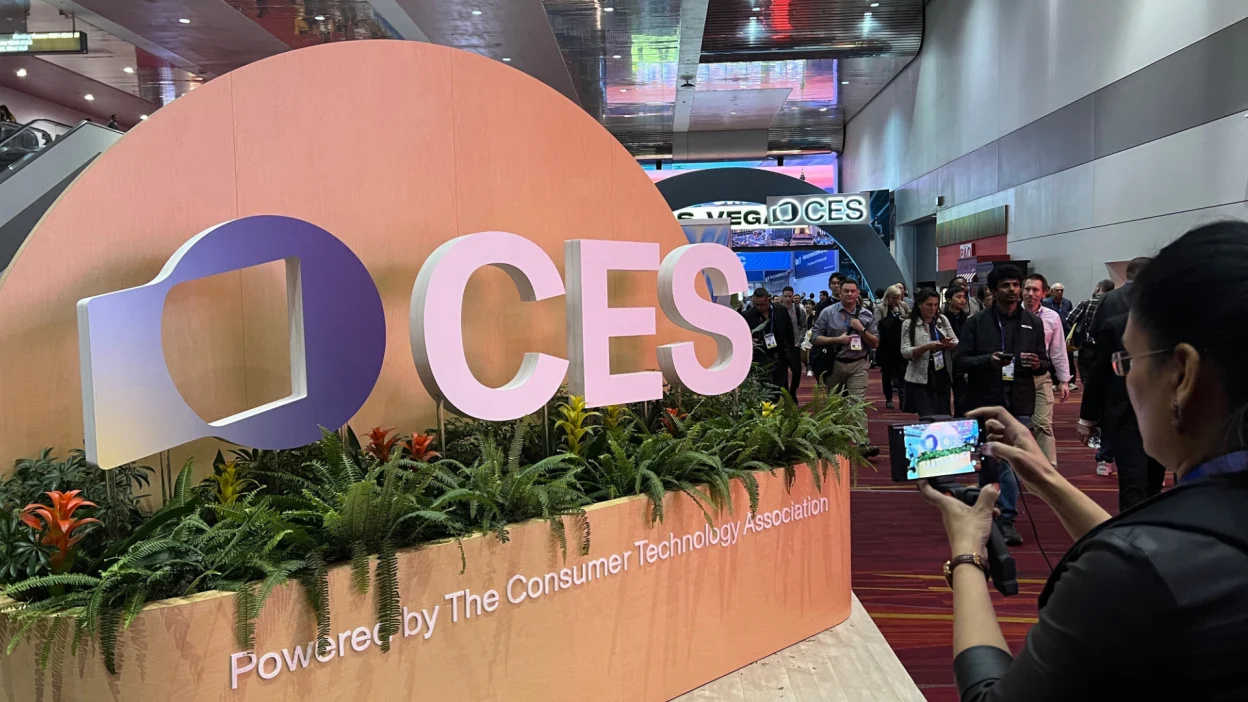
CES 2026 (January 6–9) in Las Vegas kicks off the tech year with a focus that’s increasingly shifted away from incremental gadgets to systems and ecosystems. At this show, companies large and small will tout not just smarter devices but more autonomous ones — hardware capable of carrying out multi-step tasks with minimal human prompts. CES 2026 is expected to host extensive demonstrations of robotics, smart home devices driven by AI, agentic AI platforms designed for decision-based workflows, and next-generation chip previews. What used to be a place to see new TVs and laptops is now a forecast for where AI first touches everyday lifestyles and enterprise systems alike, especially with major CPU and AI hardware vendors present on the floor.
2. February
Galaxy Unpacked
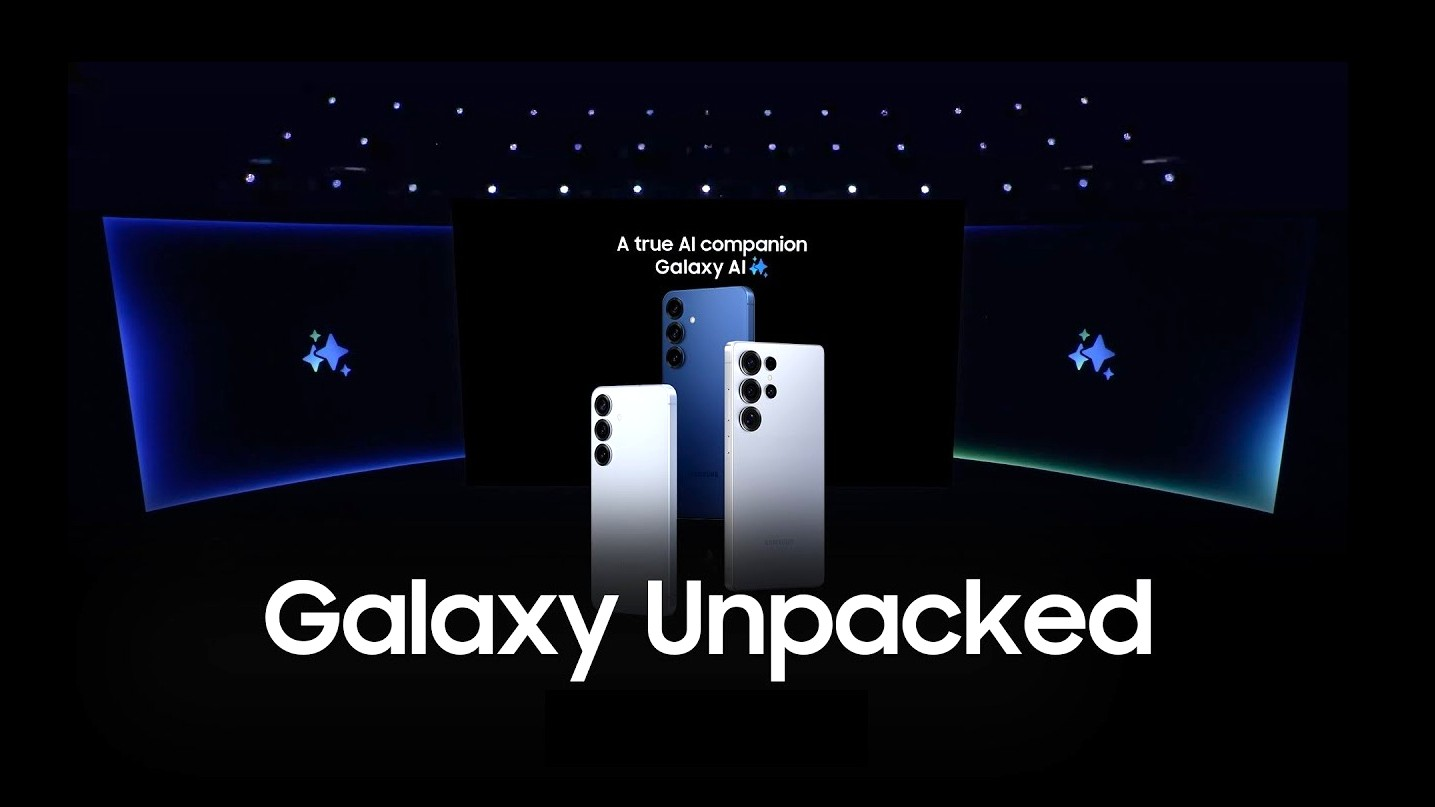
Galaxy Unpacked (February 25, 2026, expected) is shaping up to be one of Samsung’s biggest early-year moments. Rather than calling attention to a specific phone in isolation, it’s better understood as Samsung’s flagship hardware event where the Galaxy S26 series — alongside ecosystem updates like Galaxy Watches or Buds — is expected to debut. While Samsung hasn’t confirmed this date, multiple reports indicate a late February Unpacked event in San Francisco, which would signal a slight shift from the company’s traditional January/early February cadence. Pre-orders typically follow immediately, with retail availability in March.
MWC Barcelona
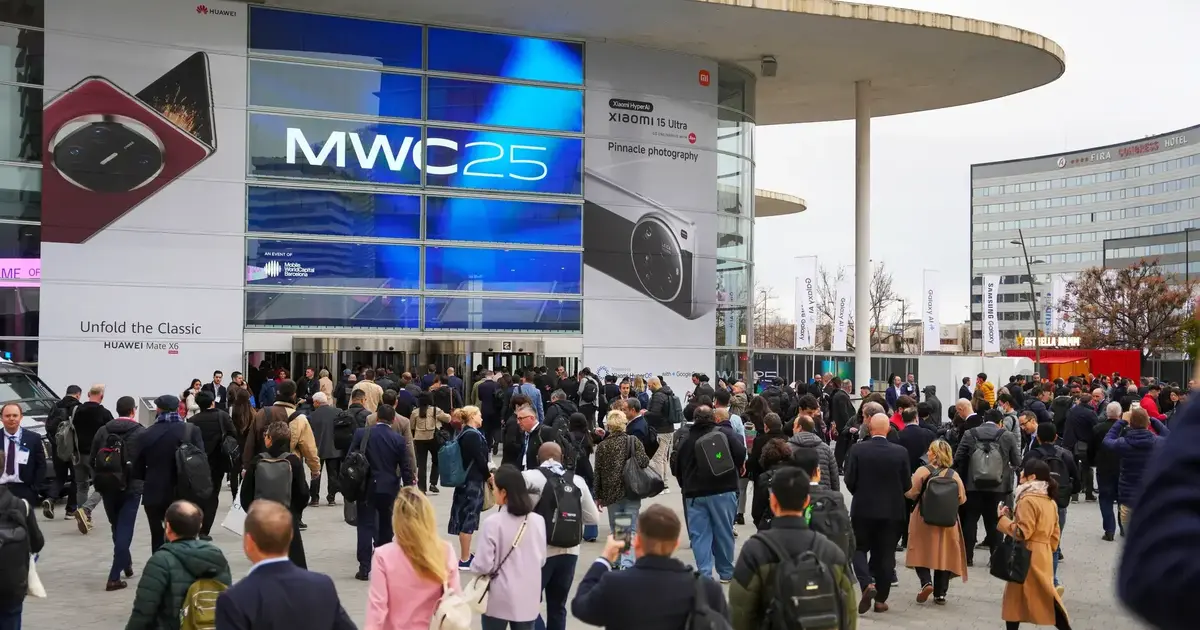
Mobile World Congress (MWC Barcelona, February 23–26, 2026) then takes over the European stage for mobile and connectivity innovation. MWC isn’t just about phones; it’s where carriers, OEMs, and chipset makers converge to define the next wave of mobile ecosystems, 5G/6G research, edge computing integration, and IoT strategies. Folding screens and advanced wearables often get teased or shown here, and with Android OEMs increasingly pushing AI features at the OS and hardware level, MWC is as crucial for software narratives as it is for hardware reveals.
3. March
SXSW
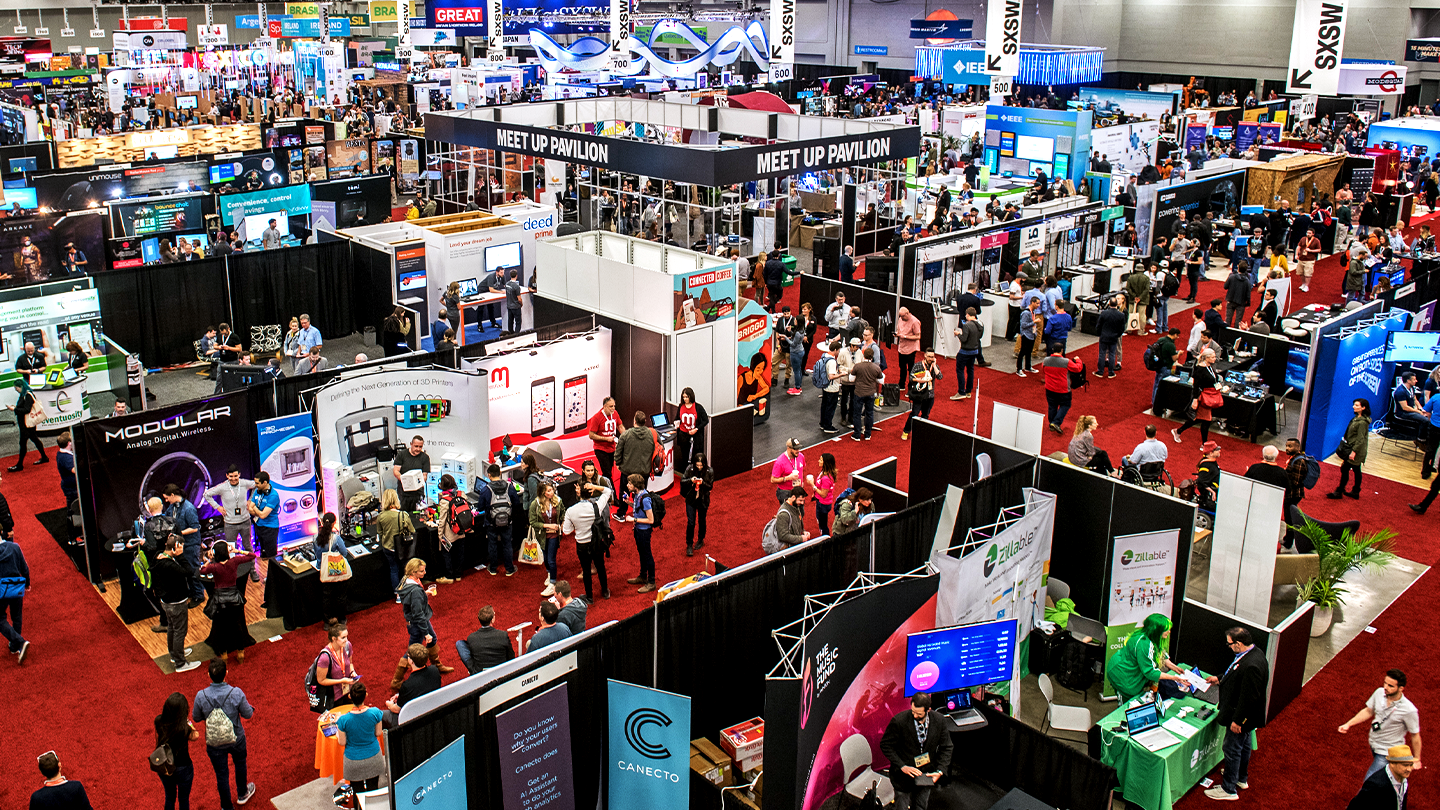
SXSW (March 13–22, 2026) in Austin, Texas, has become far more than a creative festival; it’s a key moment for technology’s intersection with art, entertainment, culture, and ethics. While not a strictly hardware event, SXSW panels, workshops, and discussions around AI’s role in creative workflows and digital expression provide valuable context for how technology will be used rather than just sold. Expect conversations around generative AI in music and film, ethical innovation, and the future of digital creativity, all essential if readers want a holistic view of where tech and society are headed.
NVIDIA GTC
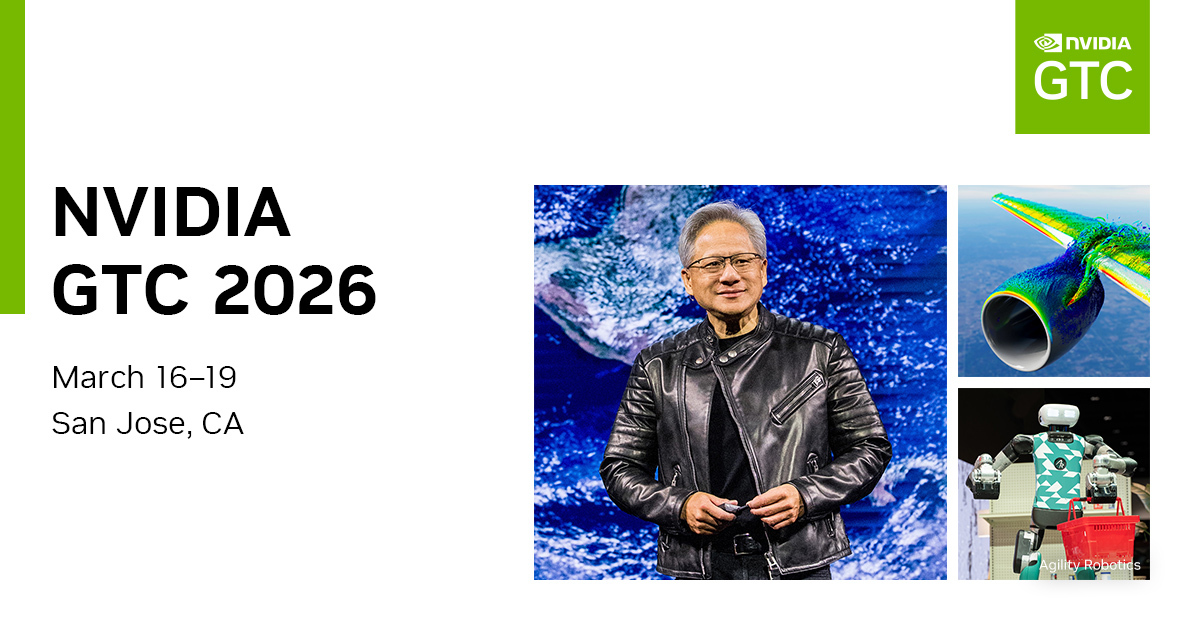
NVIDIA GTC (March 16–19, 2026) also deserves separate attention. Though less consumer-facing, GTC is where developers, researchers, and enterprise decision-makers go to explore breakthroughs in AI, GPU computing, deep learning, and autonomous systems. Innovations revealed here often trickle down into the hardware that saturates consumer events later in the year.
 Oyinebiladou Omemu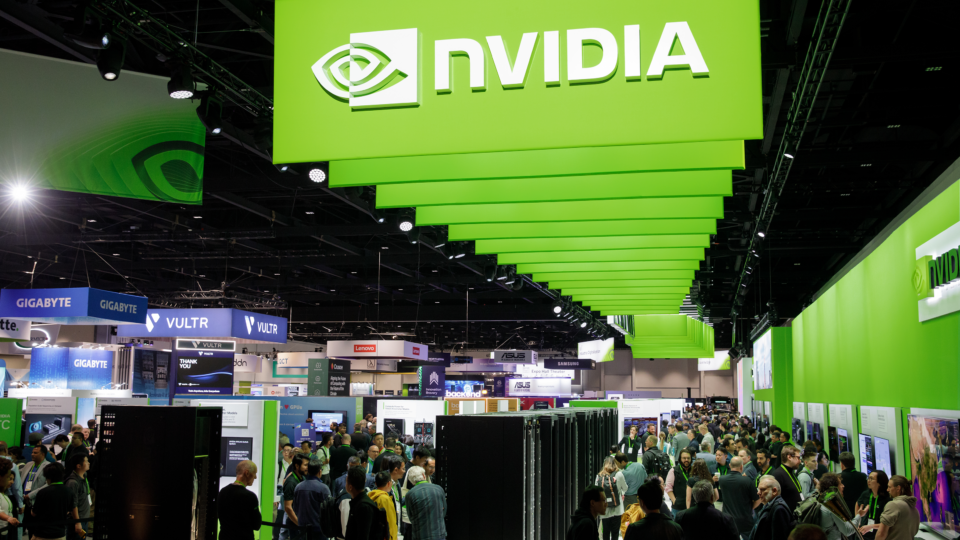
4. April
LEAP 2026 (April 13–16, Riyadh)
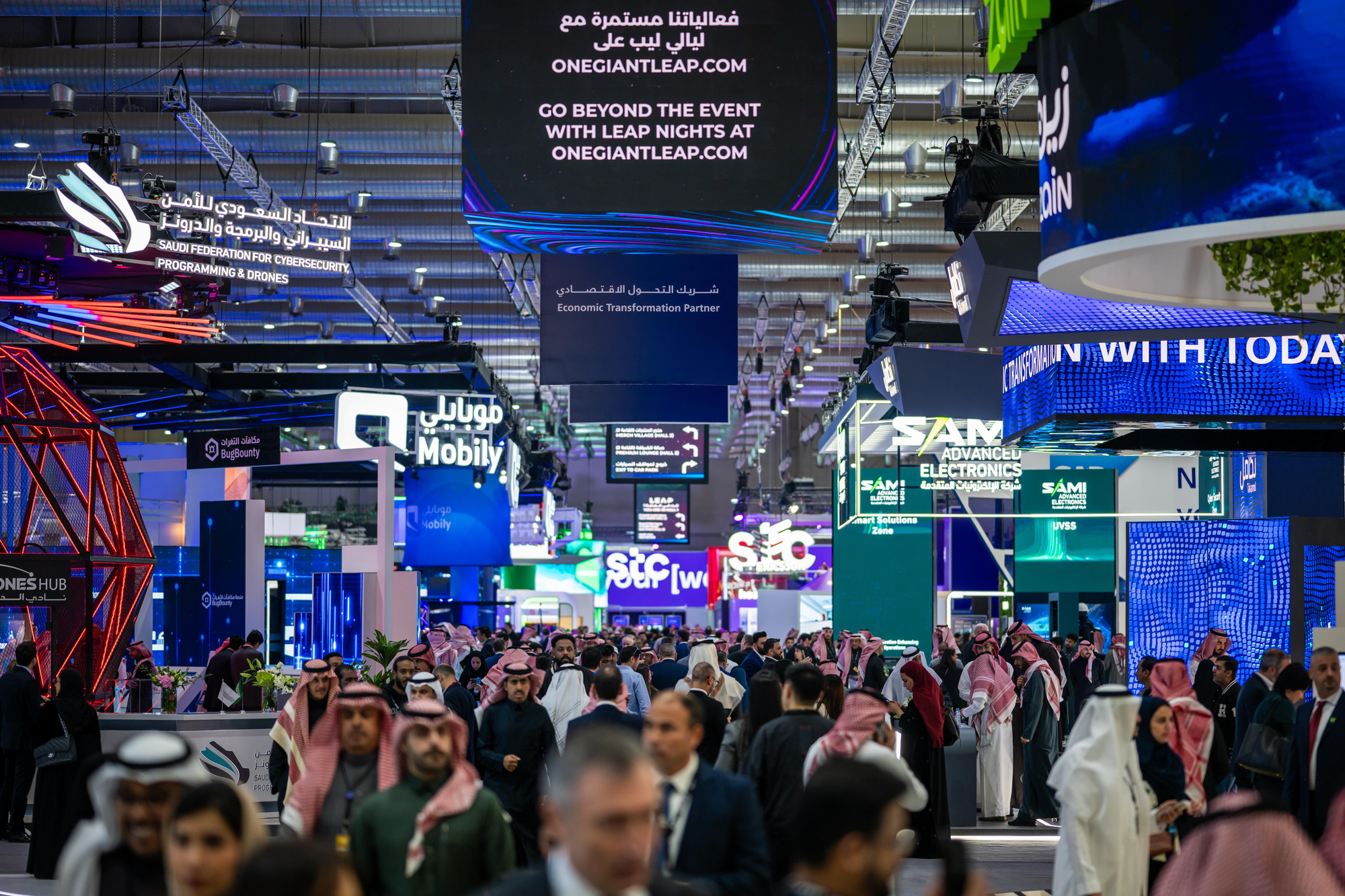
LEAP is one of the largest global tech gatherings outside of North America and Europe, attracting startups, investors, and corporate innovators alike. In 2026, the conference is expected to spotlight robotics, AI-powered healthcare solutions, fintech innovation, and smart city technologies. Major OEMs and tech leaders often use LEAP to demonstrate cutting-edge concepts that may not yet be market-ready but signal industry trends for the rest of the year. While some announcements are speculative, LEAP’s influence on the global tech ecosystem is well-established.
NAB Show & BEIT Conference (April 18–22, Las Vegas)
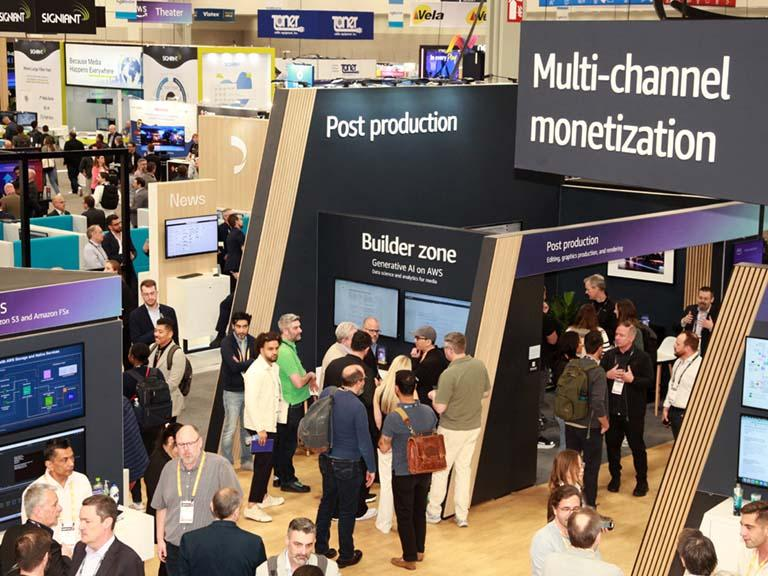
The NAB Show is the world’s premier media, entertainment, and broadcast technology event. Its BEIT (Broadcast Engineering and IT) track focuses on innovations in streaming, production automation, and AI-assisted content creation. In 2026, NAB is expected to showcase AI-driven workflows, cloud-based media management, and new display technologies. For anyone following the evolution of media tech, this conference provides a clear glimpse at what broadcasters, studios, and online platforms will deploy later in the year.
Adobe Summit (April 19–22, Las Vegas & Online)
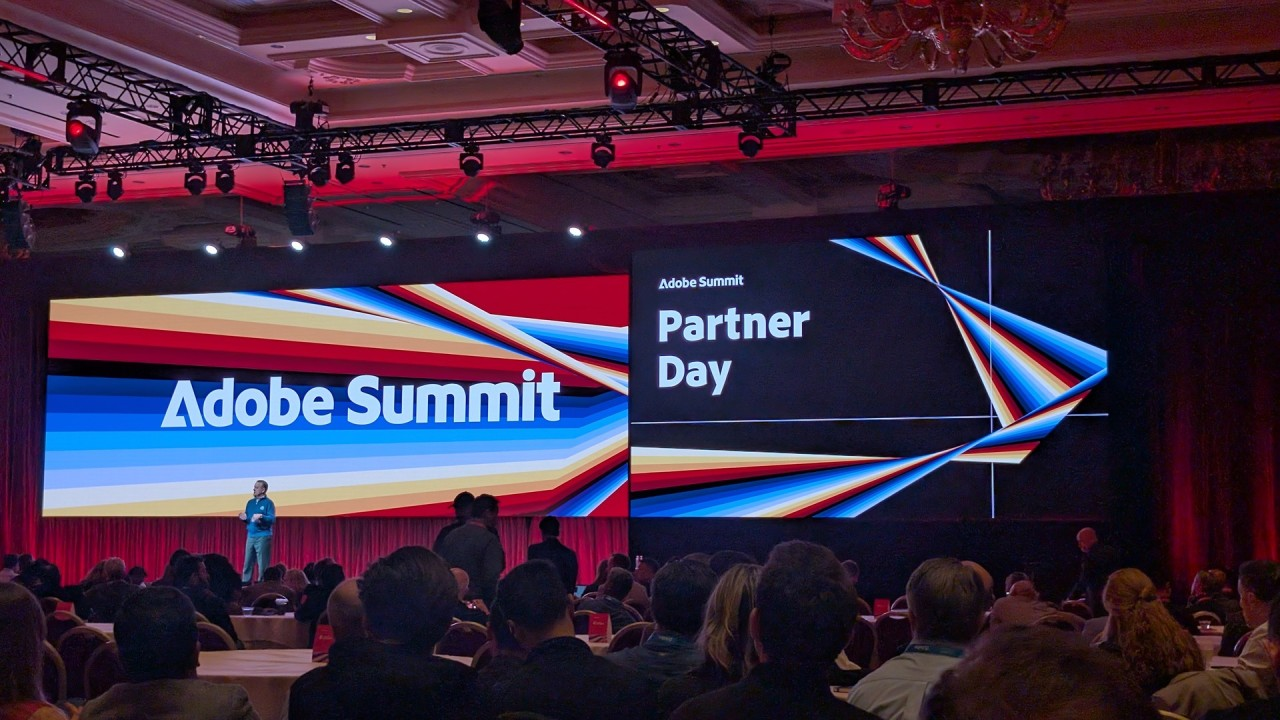
Adobe Summit 2026 runs from April 19 to April 22 in Las Vegas, with a virtual option for remote attendees. The event remains one of Adobe’s biggest stages for updates around AI, creative workflows, and customer experience tech, featuring over 200 sessions, hands-on labs, keynotes, and strategy breakouts. There’s also an optional preconference training day on April 19 for deeper technical learning. While Adobe hasn’t confirmed specific announcements yet, the Summit is typically where the company reveals major upgrades to its AI platform and Experience Cloud, making it a key stop for anyone tracking the future of creative and marketing technology.
Google Cloud Next ’26 (April 22–24, Las Vegas)
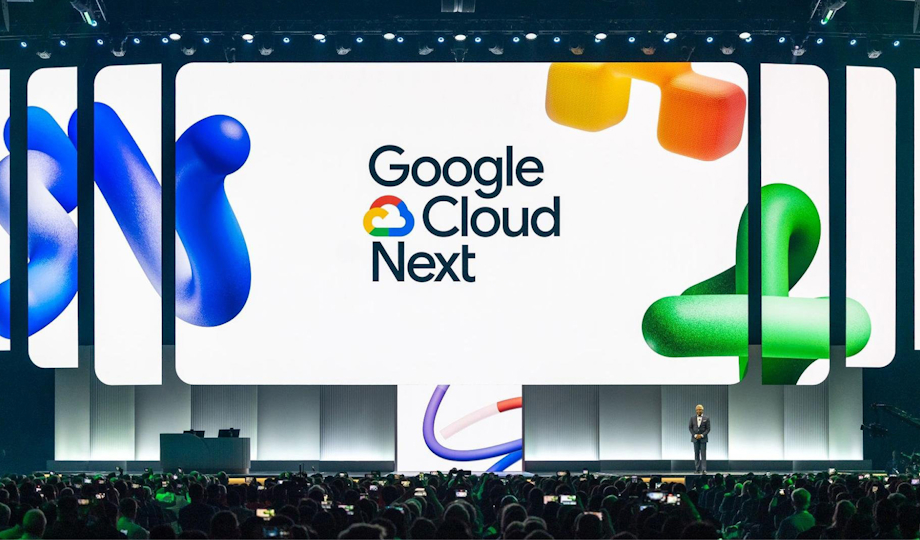
Google Cloud Next returns as the primary venue for cloud infrastructure announcements, developer tools, and enterprise AI capabilities. In 2026, the event is expected to highlight advances in generative AI models, edge computing, and security frameworks. Companies attending often get early access to beta tools that later integrate into Google Workspace, Android, or Cloud-based solutions. While the event is largely enterprise-focused, its influence cascades into the consumer tech ecosystem as well, particularly for AI services integrated into everyday devices.
ODSC AI East (April 28–30, Boston)
April wraps with ODSC AI East, a hands-on conference targeting data scientists, machine learning engineers, and AI practitioners. Workshops and sessions cover applied AI, model optimisation, and real-world deployment strategies. Though smaller in scale than CES or MWC, ODSC provides detailed, practical insights into the technologies behind the AI trends driving the rest of the year’s announcements. This makes it a valuable touchpoint for professionals who want to understand how consumer and enterprise AI developments will function under the hood.
5. May
Google I/O and the Future of Android & AI
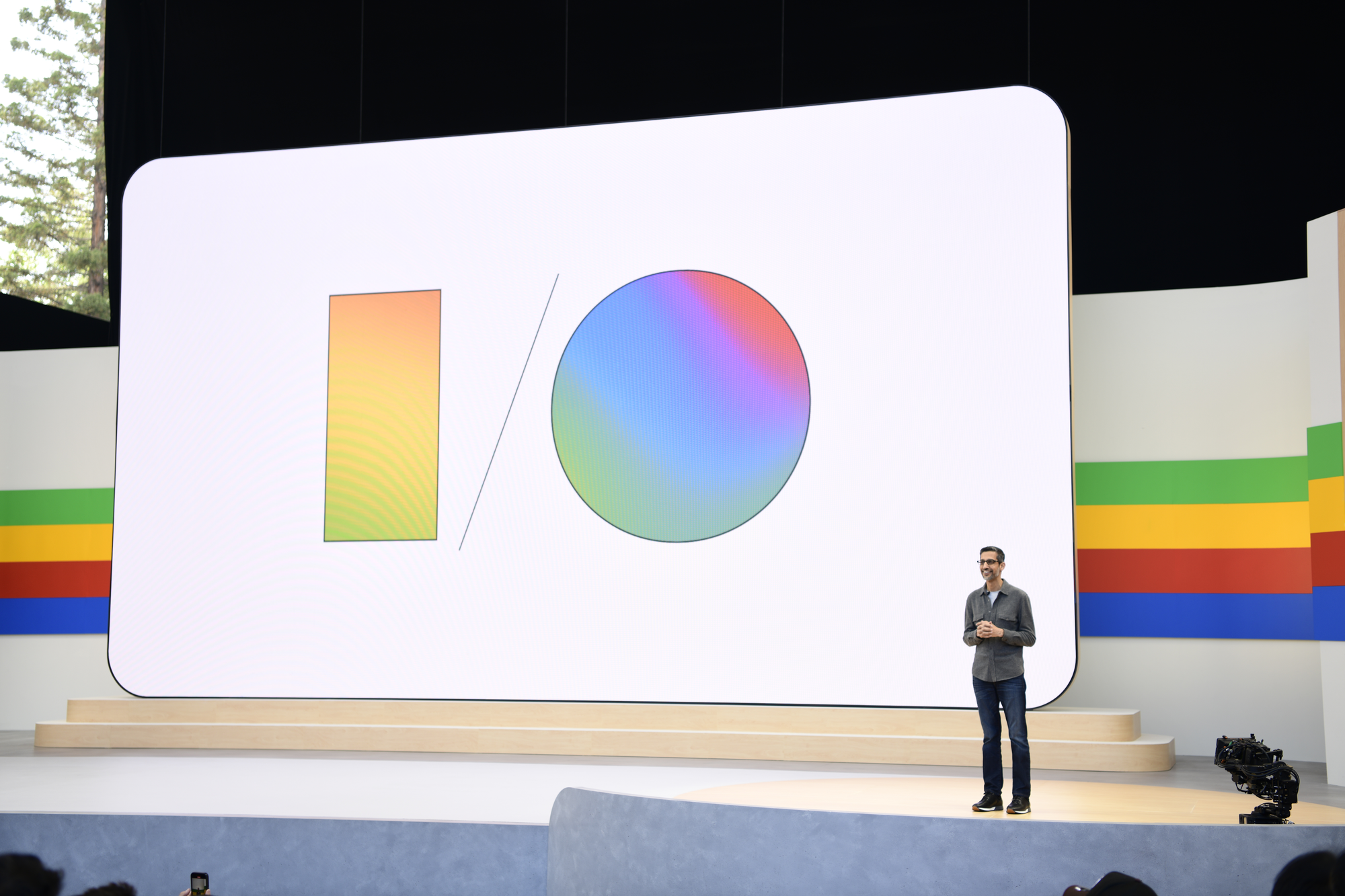
Google I/O (May 2026, dates TBA) remains one of the most important software and developer events in the industry. Google uses I/O to preview new Android versions, unveil Android-wide AI initiatives, and introduce developer tools that set the stage for the entire Android ecosystem. In 2026, the focus is expected to be on how Google’s Gemini models and AI developer APIs will integrate across phones, tablets, and wearables. There is credible speculation that I/O will also preview software frameworks for Google’s upcoming smart glasses, though the hardware itself is likely to surface later in the year.
6. June
Apple WWDC and Platform Strategy
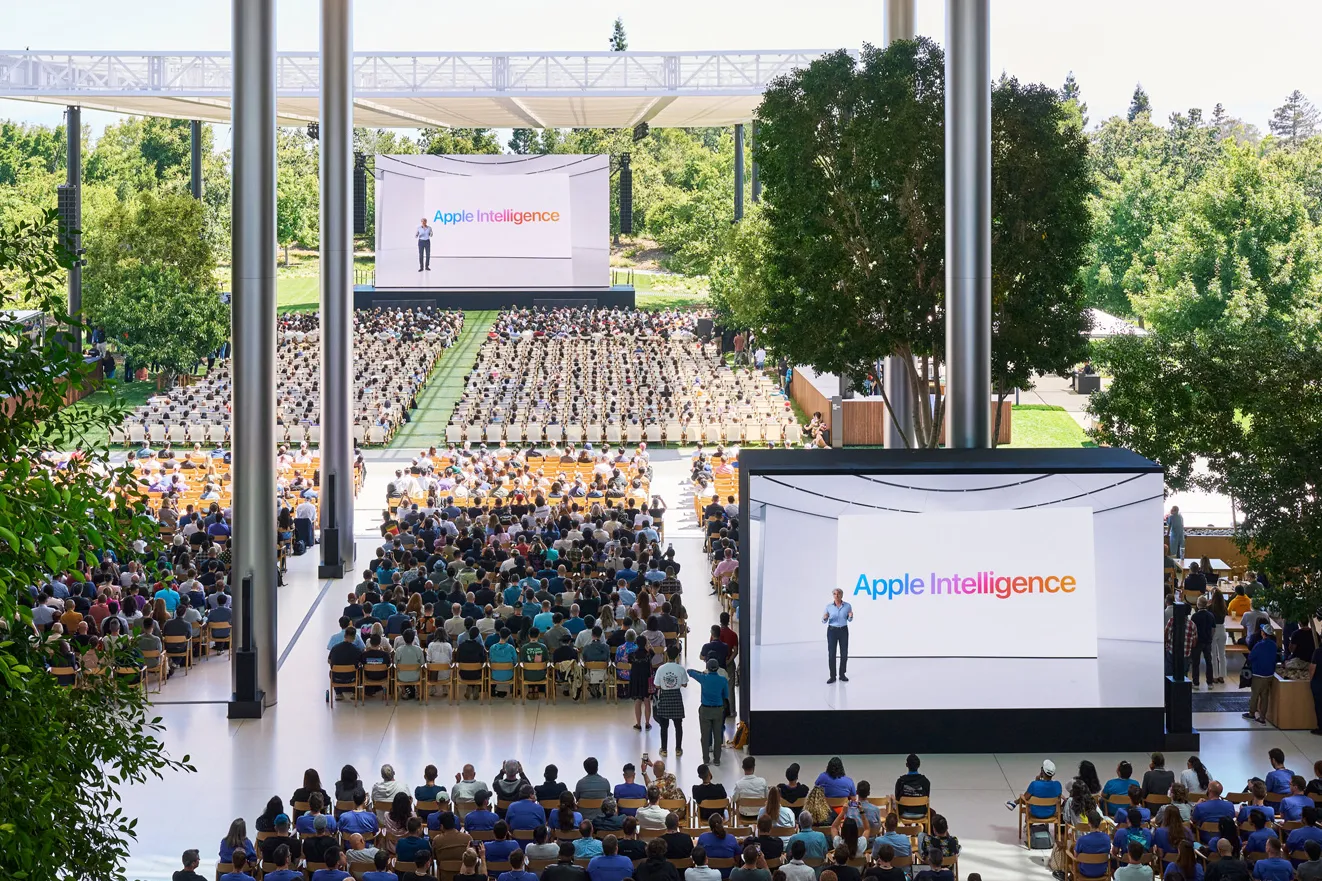
Apple Worldwide Developers Conference (WWDC — June 2026, dates TBA) is Apple’s flagship software event and the best place to understand its yearly priorities. In recent years, Apple’s WWDC has been where major OS updates for iPhone, iPad, Mac, and Vision platforms are announced. In 2026, the keynote is expected to feature significant AI advancements across iOS and visionOS, as well as deeper integration of AI services into everyday workflows. Apple often uses WWDC to preview new experiences, tools for developers, and sometimes hardware, though the latter more reliably appears in September.
7. July
Gartner CIO Leadership Forum Japan
In early July, the Gartner CIO Leadership Forum takes place in Tokyo. This event brings together senior technology leaders and IT decision-makers to discuss strategic priorities like digital transformation, enterprise AI deployment, and risk mitigation. Unlike product launch stages, this forum is where strategy and high-level operations are debated by the people responsible for bringing new tech into large organisations.
Campus Party Brasil
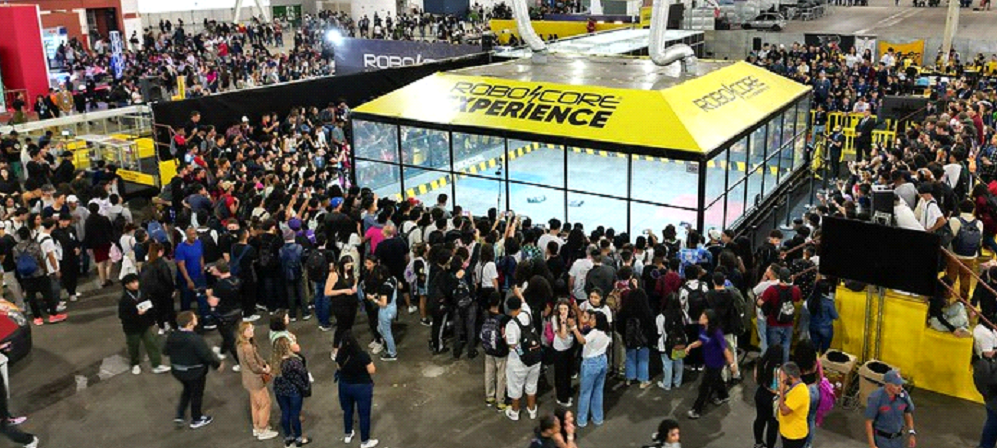
Mid-July sees Campus Party Brasil — one of the largest tech and innovation festivals in Latin America — in São Paulo, attracting tens of thousands of participants. The event blends hackathons, workshops, talks, and networking opportunities, putting a spotlight on entrepreneurship, gaming, and community-driven tech culture. For many emerging developers and startup founders, Campus Party is the summer’s most collaborative and energetic international gathering.
CEDEC 2026
Also in July, the Computer Entertainment Developers Conference (CEDEC) takes place in Yokohama, Japan. While more niche than general consumer shows, CEDEC is a key event for game developers, AR/VR engineers, and graphics specialists. Attendees dive deep into the technical side of games and interactive media, including AI-driven graphics, real-time rendering research, and cross-platform workflows.
8. August
Ai4 2026 (Las Vegas)
Early August brings Ai4 2026 to Las Vegas, one of North America’s largest conferences dedicated specifically to artificial intelligence in business. This event convenes executives, innovators, and domain experts to explore how AI is operationalised across sectors like healthcare, finance, logistics, and retail. Sessions typically focus on governance, deployment challenges, and real-world AI scaling, making it a significant warm-up to the mainstream fall events.
Black Hat USA & DEF CON
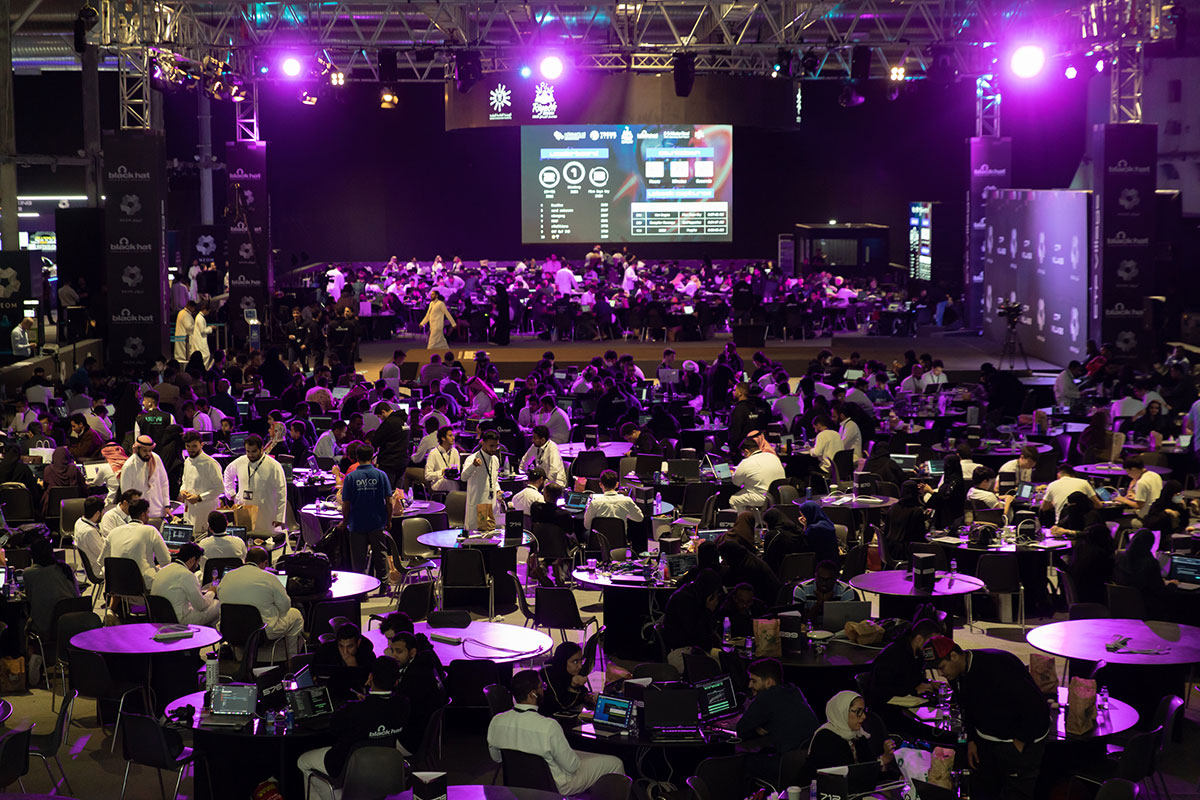
Cybersecurity remains a vibrant segment of tech culture in August. Black Hat USA, spanning late July into early August, continues to be the premier infosec event for professionals focused on threat research, penetration testing, and defensive strategy. Immediately following it is DEF CON, one of the world’s biggest hacker conferences, where enthusiasts and security experts explore vulnerabilities, IoT gaps, and hardware hacking techniques. Both events are key pillars in the security calendar and often yield early insights into the defensive and adversarial landscape enterprises must plan for.
Visual Studio Live! and Developer Workshops
August also sees Visual Studio Live! workshops and conferences — including one at Microsoft’s Redmond headquarters — aimed at software developers and cloud architects. These events cover .NET advancements, Azure tooling, cloud-native development, and hands-on coding sessions that help practitioners keep pace with evolving enterprise and consumer tech stacks.
9. September
Apple Fall Event and Meta Connect
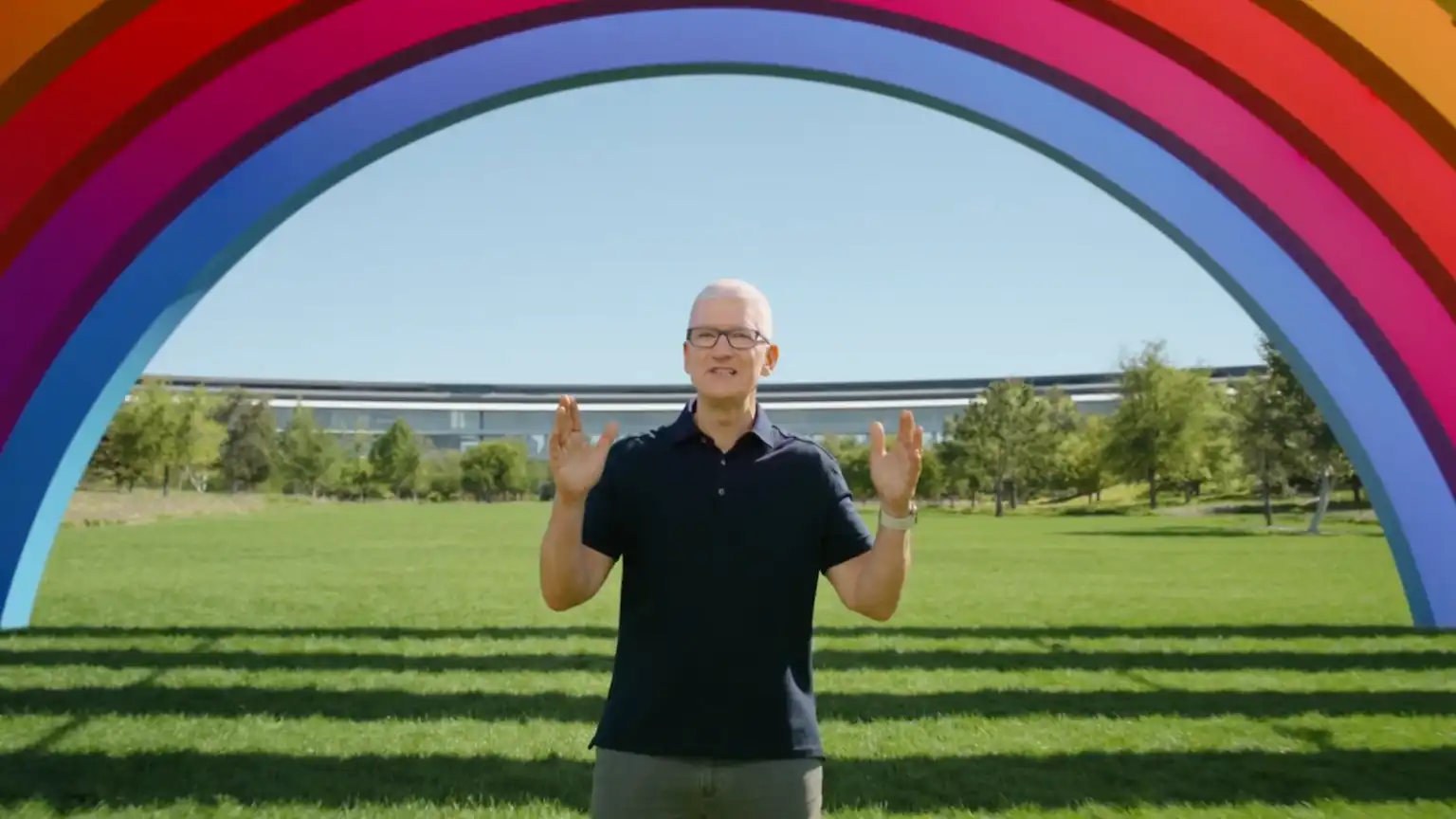
Apple Fall Event (typically early September) is the cornerstone of the year’s consumer hardware announcements. While Apple hasn’t publicly shared the date for its 2026 keynote, the company historically holds its main hardware launch in early September, and industry insiders have identified September 9 in previous seasons for similar keynotes. At this event, Apple is expected to unveil its next iPhone lineup alongside companion products like Apple Watch updates and possibly refreshed AirPods, mixed with deeper AI experiences enabled by software introduced earlier in the year. Rumours also place Apple’s first foldable iPhone — long hinted at by analysts — targeting a 2026 arrival, though official confirmation is pending.
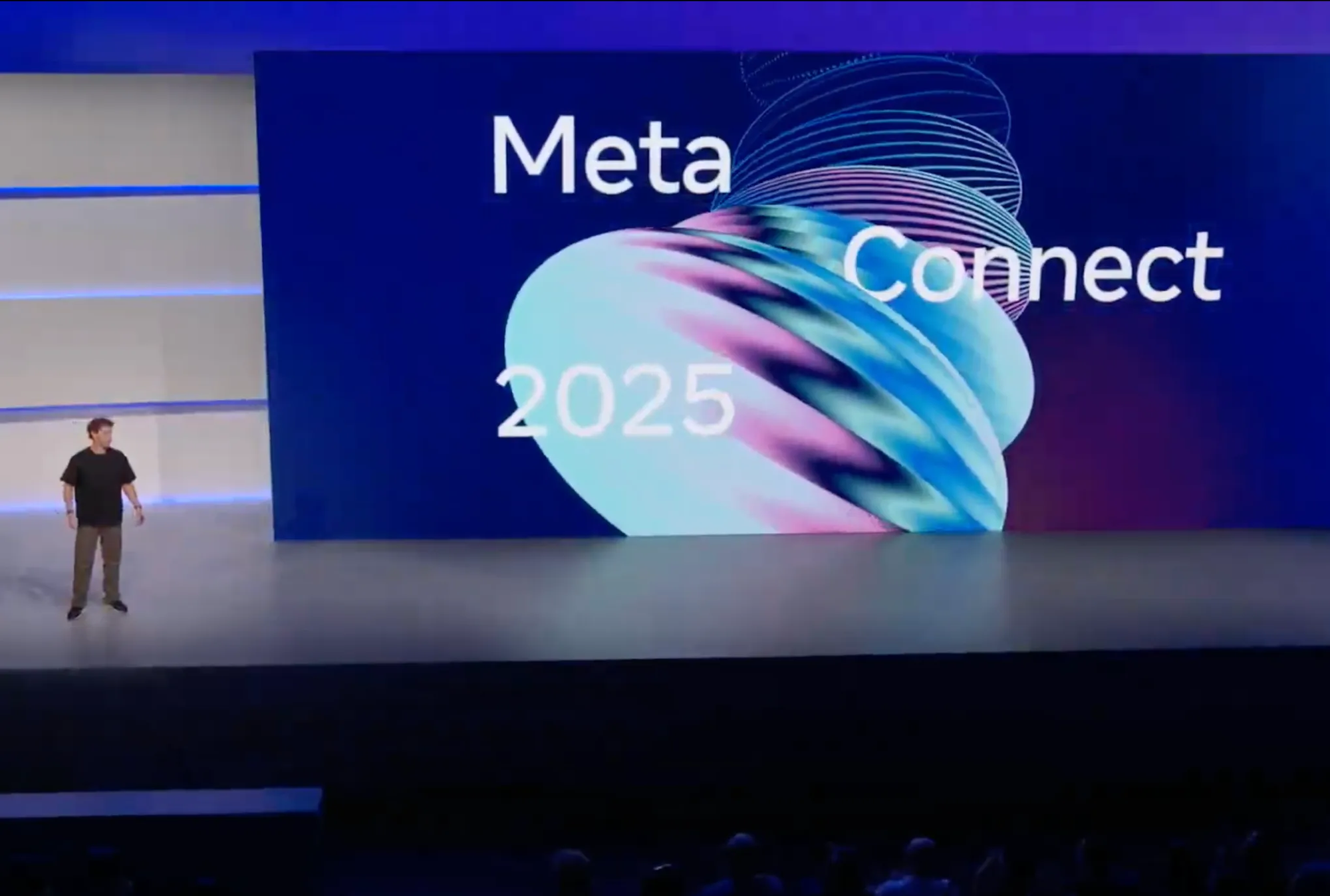
Meta Connect (September 17–18, 2026) follows shortly after Apple’s showcase, serving as the flagship event for Meta’s XR and AI ecosystem. Meta Connect traditionally highlights new iterations of Quest headsets, AR glasses in the Ray-Ban Meta family, and Meta’s vision for social mixed reality, including Horizon platforms and AI integration. With XR hardware maturing and interest in everyday wearable computing growing, Meta Connect is poised to be one of the most consequential events for immersive tech enthusiasts and developers alike.
10. November
Microsoft Ignite and Enterprise AI
Microsoft Ignite (expected in 2026 in San Francisco) is a key moment for enterprise and cloud strategy with an AI focus. Recent reporting confirms that Ignite will return to San Francisco in 2026 after strong industry interest in AI-infused workflows and partnerships with major AI players. Microsoft uses this event to showcase enterprise AI tools, Azure innovations, and new approaches to hybrid work and AI productivity. Though Ignite doesn’t usually unveil consumer hardware, its strategic announcements often influence how AI capabilities are delivered across business and developer ecosystems.
11. December
GITEX Global and Year-End Wrap
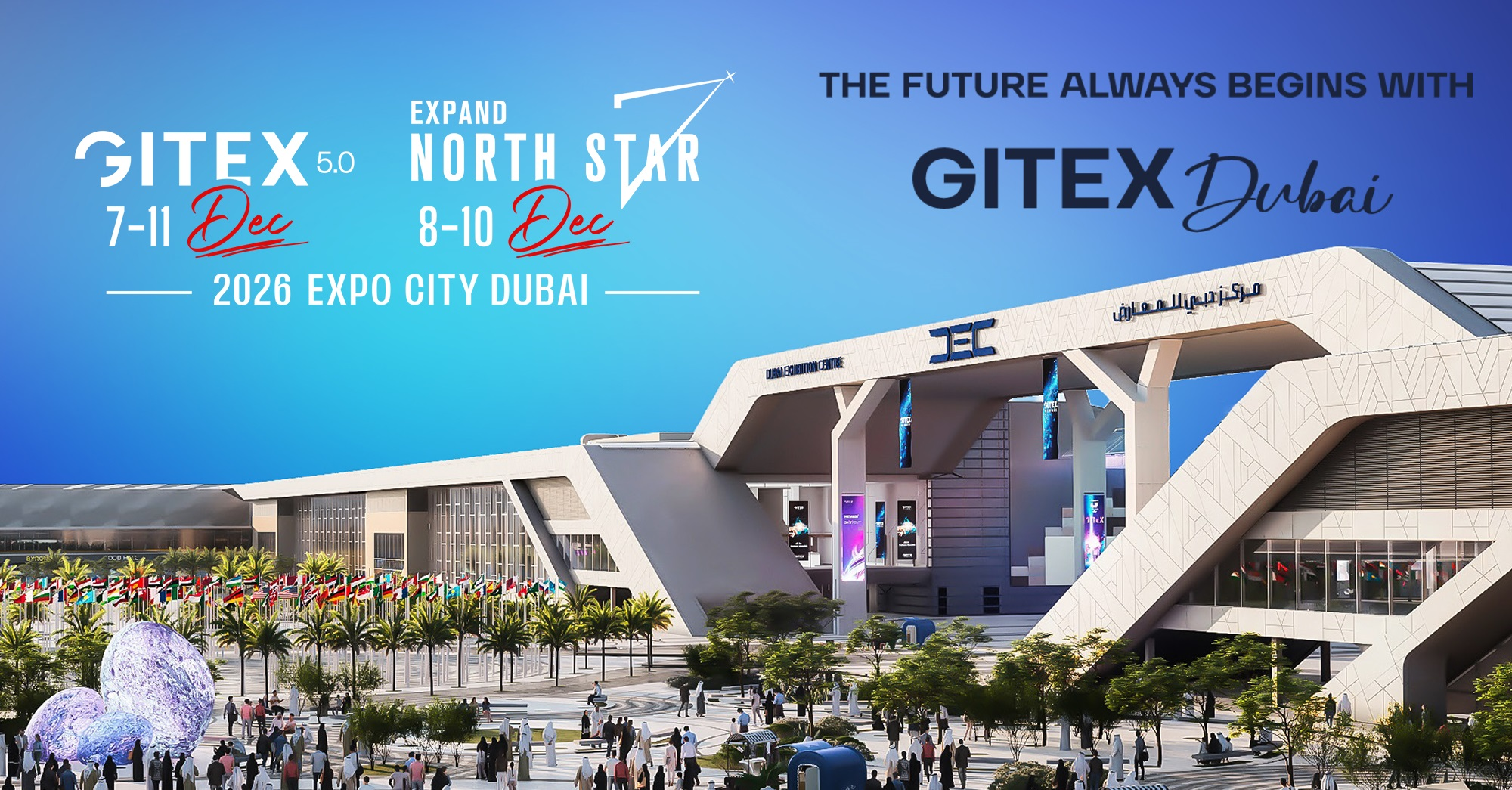
GITEX Global (December 7–11, 2026) in Dubai stitches the curtain call on the global tech calendar. One of the largest tech shows in the world, GITEX brings together startups, governments, enterprise leaders, and tech giants to discuss everything from AI and cybersecurity to fintech and smart cities. The breadth of innovation displayed here makes it an ideal event for seeing where trends solidify before the next year begins and for spotting cross-industry opportunities that may not get as much attention at consumer-focused keynotes earlier in the year.
Expected but Not Fully Confirmed in 2026
- Dedicated Apple Vision Pro Hardware Update
There is ongoing speculation about a second-generation Vision Pro, or a more accessible Apple AR/VR product tier. While Apple hasn’t confirmed dates, many analysts believe 2026 could see meaningful hardware movement in its XR strategy. - Google Smart Glasses
Google has been widely reported to be developing AI-first smart glasses that integrate Gemini and Android XR. While software previews may occur at Google I/O, the hardware reveal is expected later — likely around the October “Made by Google” event. - Meta Quest Next Generation Headset
Meta Connect may introduce a slimmer, more powerful Quest successor, but hardware details and timing remain unverified by Meta. - Emerging AI Personal Devices
Independent efforts to build AI-first personal assistants — voice/vision-centric hardware that functions beyond phones — are being tracked by industry observers. These products may not have announced dates, but 2026 is widely cited as a likely launch window.
 David Adubiina