



If you’re trying to grow a construction company right now, you’re probably feeling it from every side. Deadlines are tighter, margins are thinner, and finding skilled workers feels harder than it should be.
And it’s rarely one big issue causing problems, it’s the small things that stack up. Like a team waiting on unclear instructions. Or rework because something was missed. Even a delay that starts as a day and quietly turns into a week.
Building a workforce that actually keeps projects moving isn’t just about getting more people on site. It’s about how those people are trained, supported, scheduled, and led day to day. When those pieces work together, projects feel more controlled and a lot less reactive.
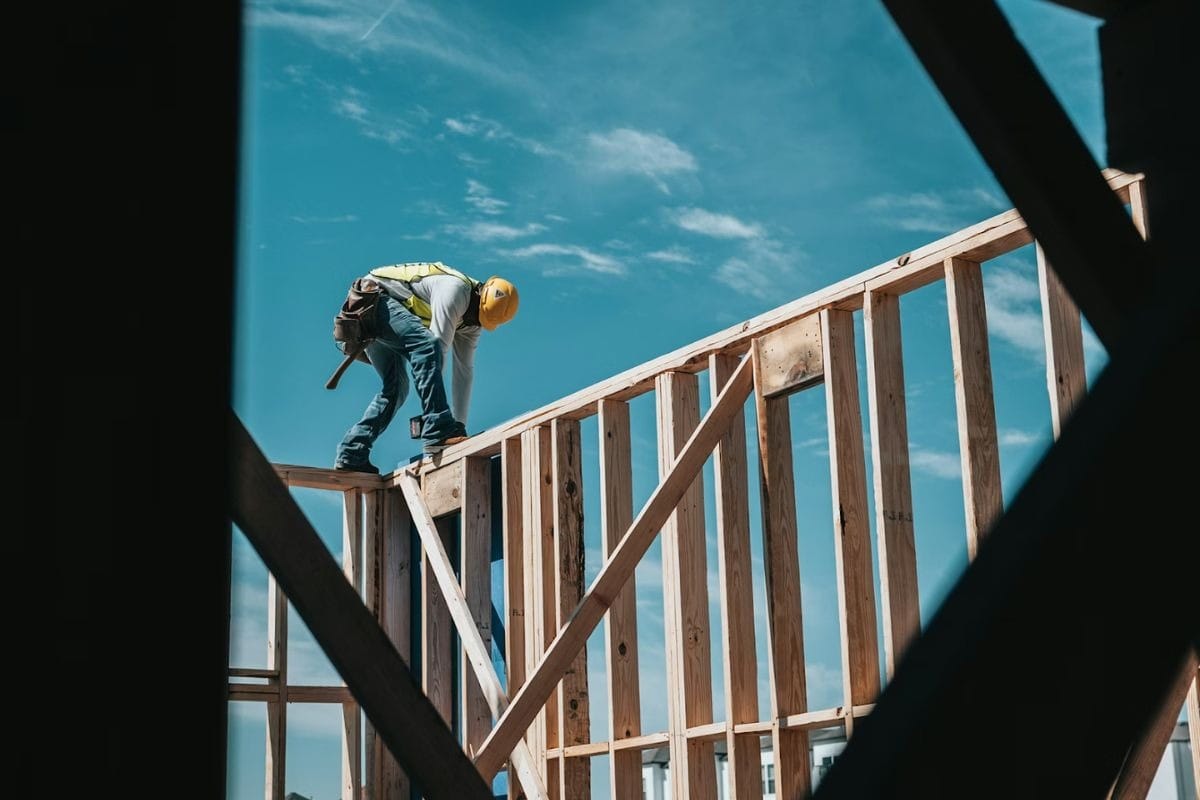
1. Invest in Training and Upskilling
Most teams are underperforming because they haven’t been set up to do better. If you want better output, you have to raise the skill level over time.
Apprenticeships and Mentorship
People learn faster next to someone experienced than they do sitting through theory. So pairing newer workers with experienced ones will help them pick things up in context. They’ll also see how problems are handled, how decisions are made, and what “good” actually looks like on-site.
It also builds loyalty because when someone feels like they’re progressing, they’re far less likely to start looking elsewhere.
Digital Learning and Certifications
Long training sessions tend to be forgotten, while short, practical modules stick. Quick refreshers before a task, short certification tracks, and focused upskilling make it easier to keep standards high without disrupting the workday.
But when you use LMS solutions for L&D and HR teams, you can roll out training without pulling people off-site for long periods. And you get visibility into who’s completed what and where the skill gaps are.
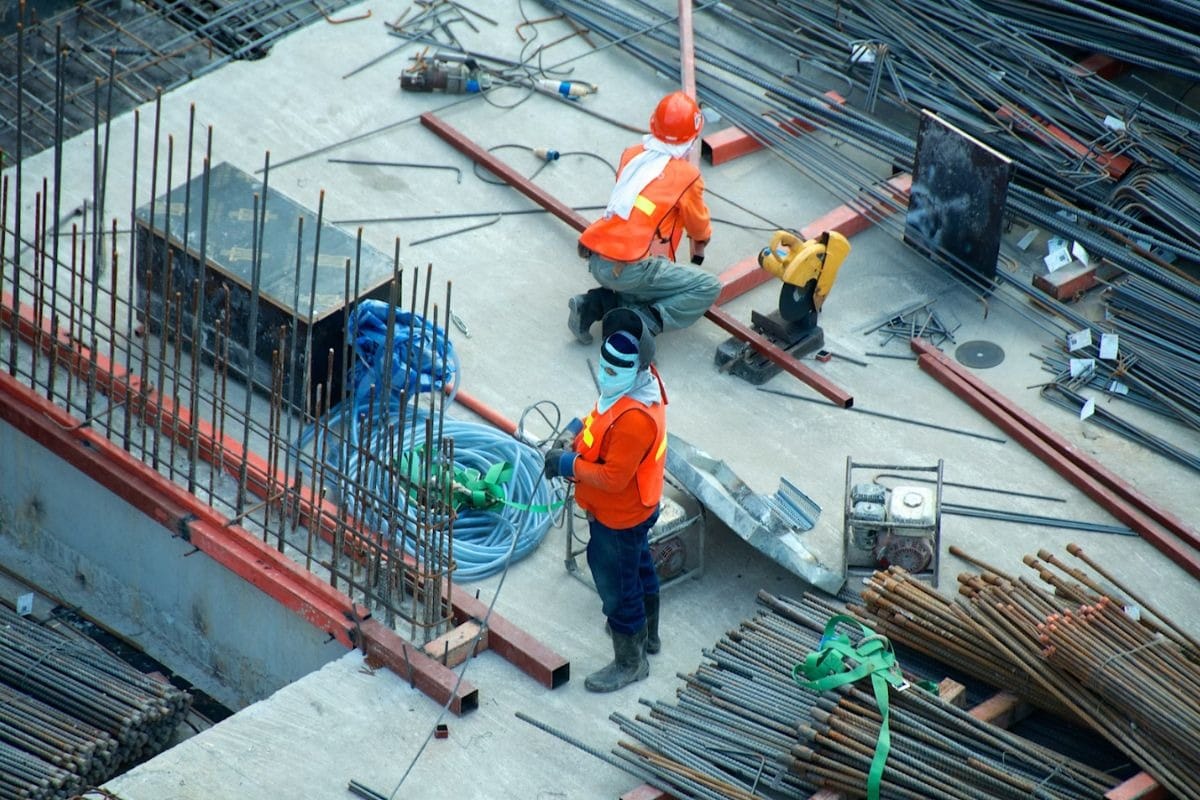
2. Use Technology to Work Smarter
A lot of construction delays come down to people not having the same information at the same time. Plans get updated but someone’s still working off an older version. A task gets mentioned in passing but never clearly assigned. Updates live in messages instead of somewhere everyone can actually see them.
A lot of this becomes easier to manage when you’re using the right construction software for field teams and their office teams. Instead of relying on calls, scattered messages, or memory, everything sits in one place where people can see what’s happening, what’s been done, and what still needs attention.
Tools like Fieldwire, Procore, and Buildertrend all approach this in slightly different ways, but they’re built around the same idea. They make tasks visible, keep updates in real time, and make it much clearer who’s responsible for what.
Once everyone is working from the same source of truth, things tend to move a lot more smoothly. There’s less back-and-forth, fewer missed details, and far less time spent chasing updates or fixing avoidable mistakes.
Automation and Modern Equipment
Some tasks just don’t need to be done manually anymore, especially the ones that are repetitive, time-consuming, or easy to get wrong when people are under pressure. That’s where modern equipment and automation start to make a noticeable difference.
Instead of relying on manual processes for everything, certain parts of the work can be handled more consistently by machines or automated systems. That helps improve accuracy, speeds things up, and reduces the physical strain on workers over time.
3. Rethink Recruitment and Talent Pipelines
If you’re only hiring when you’re desperate, you’re already behind. A steady pipeline of talent makes everything easier and gives you more control over both who you bring in and how they develop once they’re on your team.
One way to do that is by building partnerships with trade schools and training programs. These connections give you early access to people who already have the basics, so you’re not starting from scratch. You also have the chance to shape their development from the beginning, which often leads to stronger, more reliable team members over the long term.
At the same time, it’s important to think about how your company looks to potential hires. People have options, and if your business seems disorganized or stuck in outdated ways of working, they’ll move on.
4. Build a Culture People Want to Stay In
Hiring is expensive. But losing people is even more costly. If your best workers keep leaving, it usually means something is off with the way the workplace feels day to day. A strong culture makes people want to stay.
This includes:
- Safety and well-being: When people feel looked after, they show up ready to work, follow processes, and look out for each other.
- Clear career progression: Show them what comes next and make it achievable.
- Recognition: Feeling seen makes a difference in engagement.
- Pay linked to skills: Competitive pay matters, but tying raises or bonuses to skill development motivates growth.
- Open communication: Encourage feedback and create channels for teams to speak up without fear.
5. Strengthen Leadership on Site
Good leadership often shows up in the small details. How instructions are given, how problems are handled, and how accountability is managed all set the tone for the entire team. Even a highly skilled crew can lose momentum if leadership isn’t clear, consistent, and confident.
Being technically skilled doesn’t automatically make someone a good leader. Communication and accountability go hand in hand with strong leadership. Supervisors and foremen need to know how to manage people, handle conflict, and make decisions quickly. When they have that guidance, the whole team moves more smoothly, and delays caused by uncertainty or hesitation are far less likely.
What Really Moves the Needle
There’s no single fix for building a strong construction workforce. It takes a combination of ongoing training, smarter tools, reliable hiring pipelines, and leadership that shows up on site every day.
When all of these pieces are in place, projects run more smoothly, costs stay under control, and people are far more likely to stick around.


