On Tuesday 12th January, the Nigeria Commission (NCC) officially granted a seven-year landing permit to Amazon Leo (formerly Amazon Kupier), effective from February 28, 2026. Making Nigeria one of the first African markets cleared for the service.
This is a breath of fresh air for the Nigerian internet market. For the last two years, Starlink has been the face of satellite communication in the country, but the relationship has been a "back and forth" of high hopes and high friction. Between sudden price hikes, urban capacity limits, and new biometric mandates, many Nigerians have been waiting for a viable alternative.
Amazon’s arrival finally brings that wait to an end.
This new permit allows the company to operate its Low-Earth Orbit (LEO) satellite constellation of about 3,236 satellites across the Nigerian sky at altitudes of roughly 590 to 630 kilometres above the Earth’s surface.
This also means Amazon Leo can offer promising speeds of up to 400 Mbps for residential users, remote areas and a massive 1 Gbps for enterprise clients.
Pricing Pressure on Starlink
In Nigeria today, Starlink’s satellite internet remains relatively expensive compared with traditional broadband, largely due to hardware and subscription costs. A typical Starlink kit costs around ₦590,000 ($415) one-time, and the monthly residential service is about ₦57,000 ($40), with business plans rising to around ₦159,000 ($112) per month.
While Amazon Leo has not yet published its pricing schedule for Nigeria, its entry is expected to put pressure on Starlink’s price structure. If Amazon can offer competitive monthly rates or lower upfront terminal costs, it could make satellite broadband more accessible, especially for users priced out of Starlink’s current plans.
 Partner Content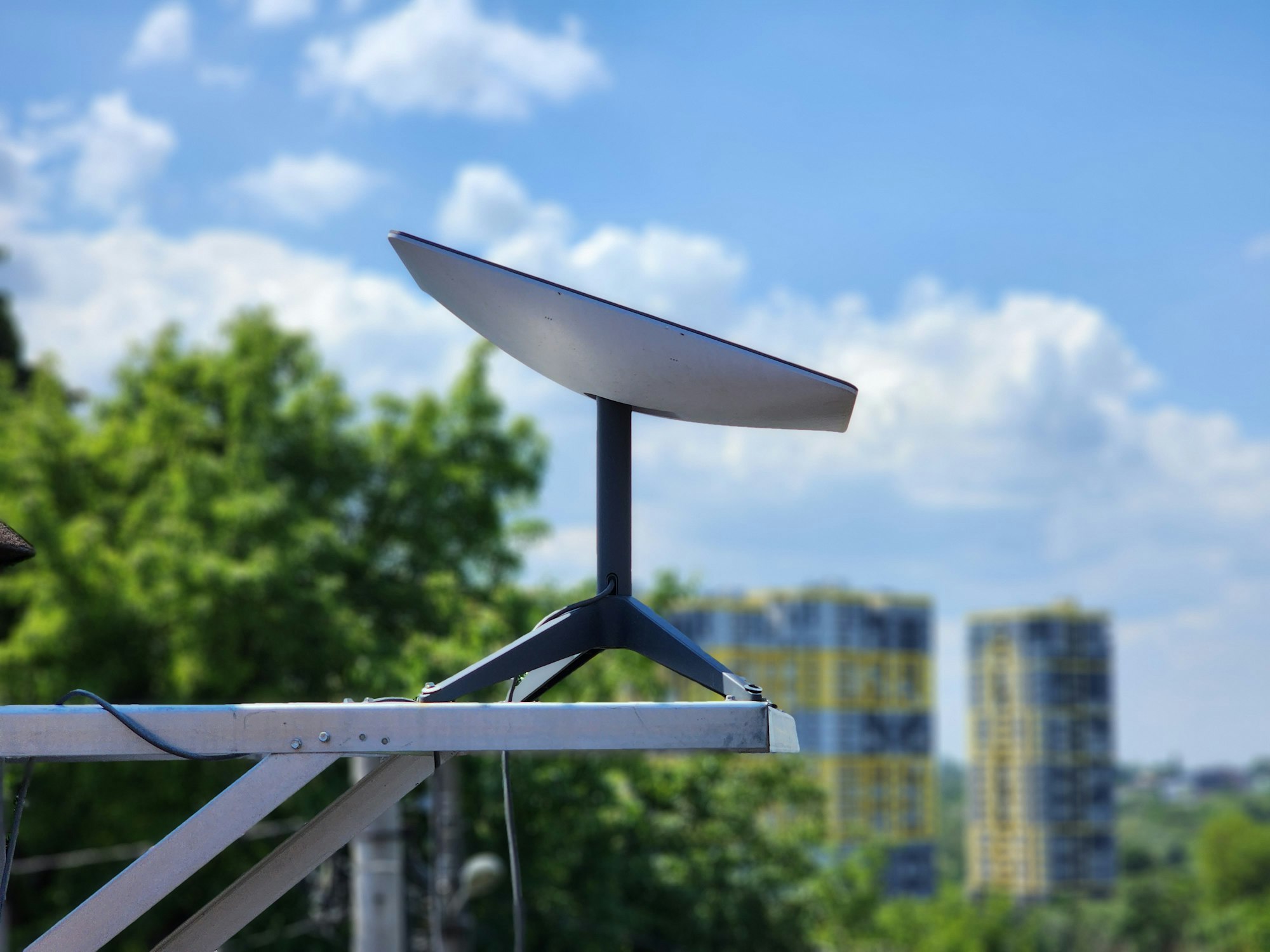
The Technical Advantage
To deliver fast internet service, Amazon Leo uses the Ka-band (Super High Frequency) which is different from the Starlink Ku-band. Starlink’s Ku-band is highly reliable and supports smaller, DIY dishes, but it struggles with capacity in densely populated areas, e.g Lagos. But the Amazon’s Ka-band allows higher data throughput and better capacity in densely populated areas, where network congestion is more likely.
The downside with the Ka-band is that it is more susceptible to "rain fade," where heavy tropical downpours can scatter the signal. But with Amazon’s Leo constellation of over 3,200 satellites, the system doesn't rely on just one connection. If heavy rain blocks one satellite’s signal, the user terminal will instantly "hop" to another satellite in a clearer part of the sky to maintain the link.
Infrastructure Investment and Jobs
Beyond the satellites, this Amazon Leo seven-year permit means a significant investment in Nigeria’s physical tech infrastructure. Because to deliver low-latency internet, Amazon must build and maintain a network of Gateways and Ground Stations across the country. So we’re looking at power systems, fibre cables, building and partnering with distribution hubs, etc.
This infrastructure investment will translate directly into the Nigerian labour market. For a company like Amazon that understands local distribution and not wanting to make the mistakes Starlink made. We expect to see multiple hiring demands for Network Engineers and Field Technicians to manage ground stations, as well as Logistics and Supply Chain Coordinators tasked with moving thousands of "Leo" kits across all 36 states of Nigeria.
 Techloy
The Multi-Segment Connectivity Play
Beyond consumer internet access and investments, Amazon Leo is also entering Nigeria as a multi-segment connectivity platform. According to BusinessDay, the NCC permit covers three distinct service categories, expanding the scope of what the network can support.
- Fixed Satellite Service (FSS) forms the backbone of the operation, targeting homes, offices, and enterprise locations that lack reliable fibre access.
- Mobile Satellite Service (MSS) enables connectivity for mobile assets and is commonly used in emergency response, security operations, and asset tracking in remote or high-risk environments.
- Earth Stations in Motion (ESIM) extend connectivity to moving platforms, including ships, aircraft, trains, and road vehicles. This capability is particularly relevant for Nigeria’s transport, logistics, aviation, and maritime sectors, where continuous broadband access has remained limited.
Together, these segments position Amazon Leo as more than a residential internet provider, with implications for enterprise connectivity, national infrastructure, and mobility-driven industries.
 Emmanuel Umahi