



Autonomous vehicle companies including Tesla, Waymo, and Zoox have admitted that human operators are still involved in running their “driverless” cars — but are refusing to disclose how often.
The disclosures, first reported by WIRED, come from a series of letters sent by seven autonomous vehicle developers to Ed Markey, a U.S. lawmaker leading scrutiny of autonomous vehicle safety, as part of a Senate inquiry into the technology.
Across those responses, the companies confirmed they use remote assistance teams — humans who step in when vehicles get stuck, confused, or encounter situations their systems cannot handle.
But none of the companies disclosed how frequently that intervention happens.
In a report accompanying the letters, Markey criticised the lack of transparency. “Every autonomous-vehicle company refused to disclose how often their AVs require assistance from [remote assistants]—hiding key information from the public about their AV’s true level of autonomy,” he wrote. “This information is critical for lawmakers, regulators, and the public to understand the potential safety risks with AVs.”
The responses also highlight differences in how companies use human support.
Most, including Waymo, say their remote workers do not directly control vehicles. Instead, they provide guidance that the system may choose to follow. Waymo said its agents “provide advice and support to the Waymo Driver but do not directly control, steer, or drive the vehicle,” according to its submission.
 Ogbonda Chivumnovu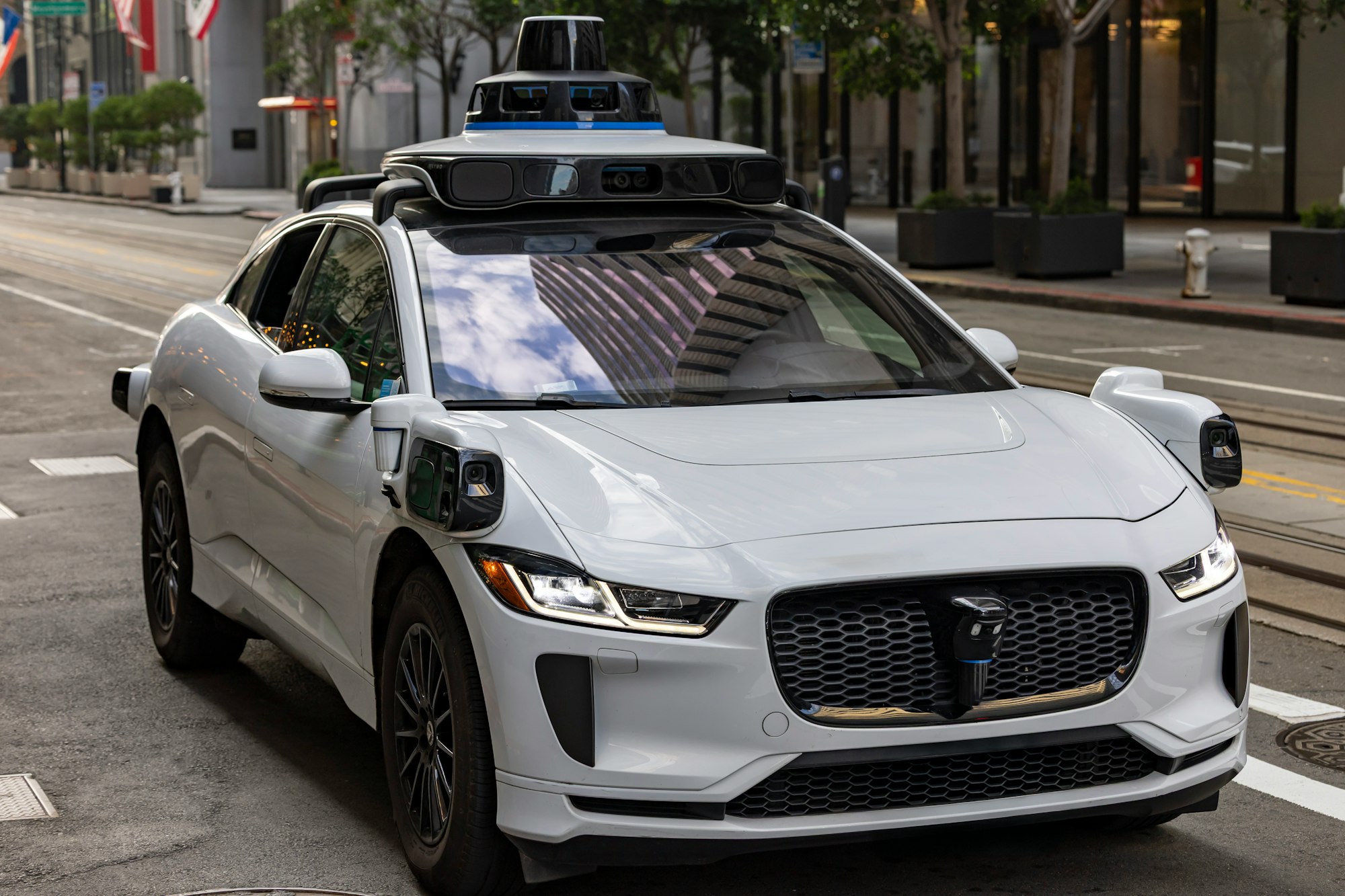
Tesla, however, takes a different approach.
In its letter, the company said its remote operators can take control of vehicles in certain scenarios. “As a redundancy measure in rare cases … [remote assistance operators] are authorized to temporarily assume direct vehicle control,” wrote Karen Steakley, Tesla’s director of public policy and business development. She added that this allows Tesla “to promptly move a vehicle that may be in a compromising position.”
The lack of disclosure around how often these interventions occur has become a key concern for regulators, especially as robotaxi services expand in cities like Austin, Texas.
Missy Cummings, an engineering professor at George Mason University, told WIRED that companies have strong incentives to keep those numbers private. “Companies don’t want to give those numbers, because then it would make it clear how not-capable these systems really are,” she said. “If people understood how often [the assistants] were interacting, then it would be clear how far away truly autonomous vehicles are.”


