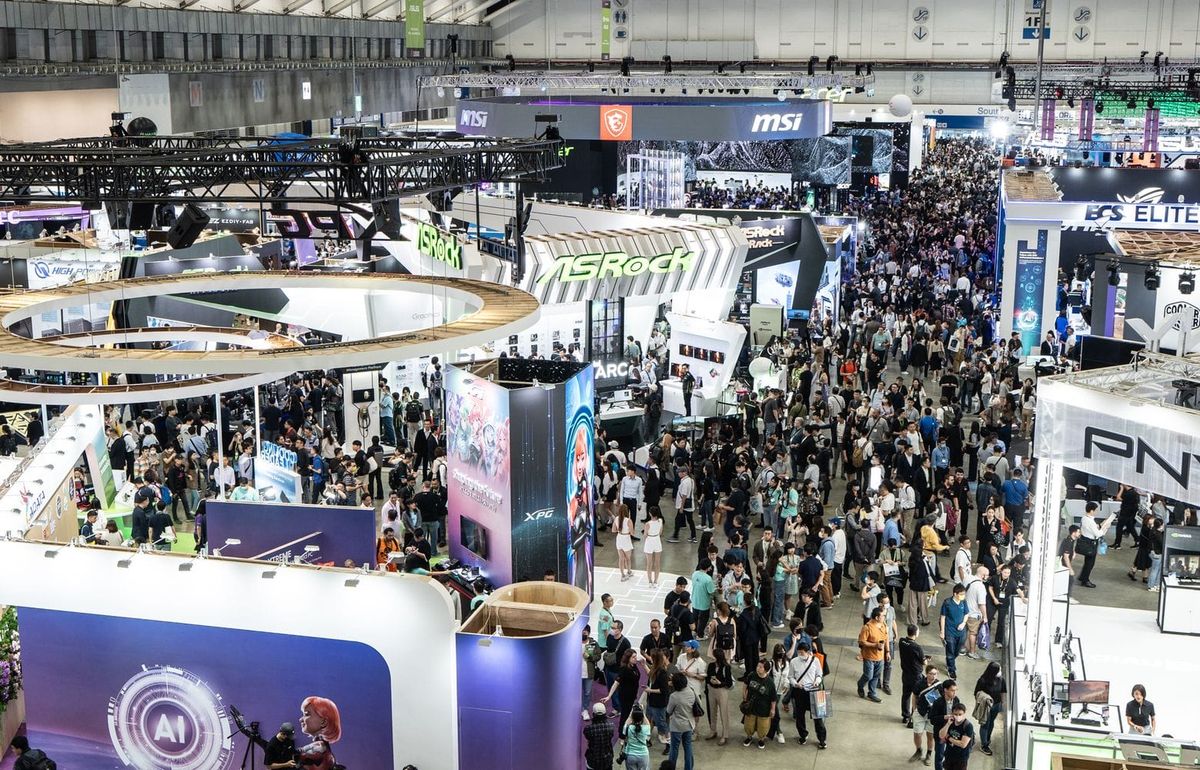
From NVIDIA crashing the consumer CPU game to Samsung unveiling a monitor that melts your eyeballs, Taipei hosted a week of certified bangers.
Computex is one of the world’s largest computer trade shows, held every year in Taipei, Taiwan, where vendors showcase new products for the back-to-school and holiday shopping seasons. This year, it ran from June 2 to June 5, and despite the gloom, innovation showed up in full force.
Here are the best hardware products from the show.
/1. NVIDIA RTX Spark
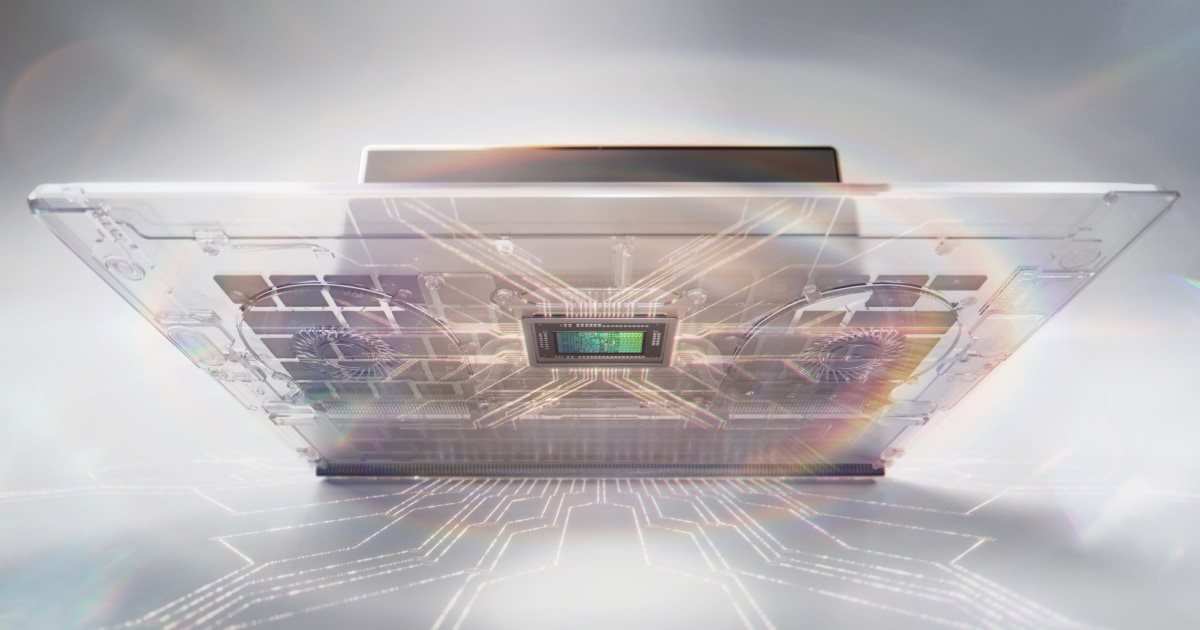
For years, NVIDIA dominated AI data centers, and now it wants your laptop. The company partnered with MediaTek to create the RTX Spark chip, NVIDIA's first real consumer CPU. Each chip packs a 20-core processor, a Blackwell GPU with 6,144 CUDA cores (same as an RTX 5070), and support for up to 128GB of memory.
The initial focus is AI, but the gaming potential is enormous. With DLSS 4.5 support and that many cores in a portable device, ultraportables, mini PCs, and even handhelds could see a serious boost. It ships this fall.
/2. Samsung's 4K 360Hz OLED Panel
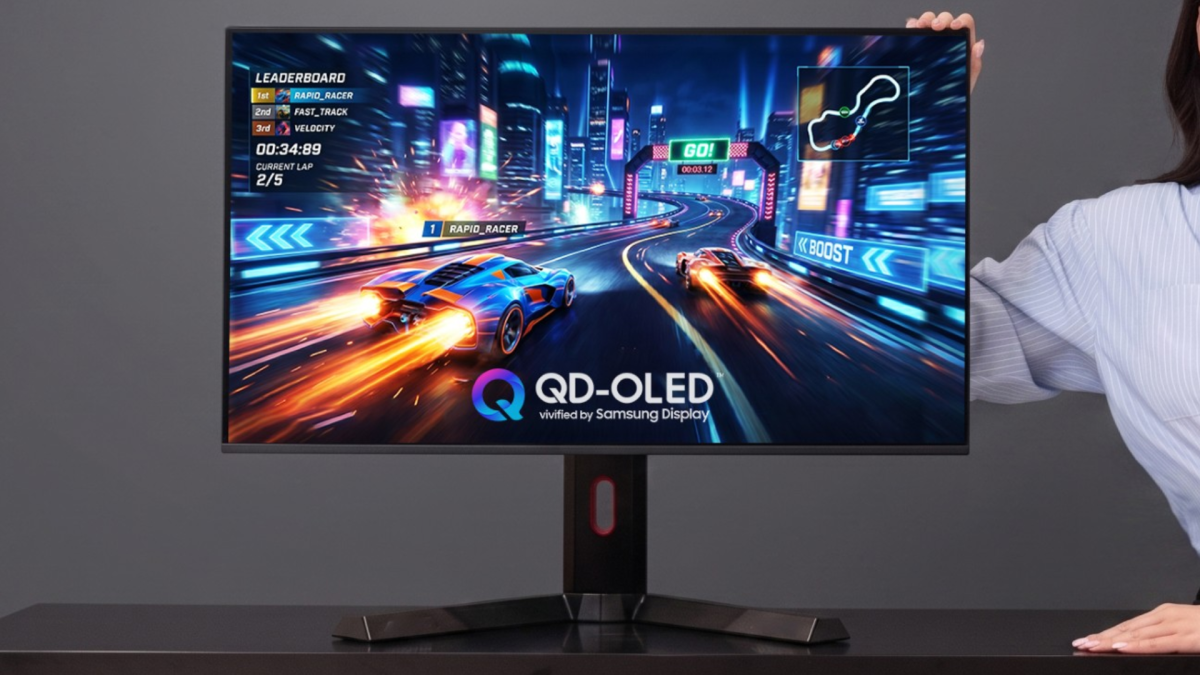
Monitor nerds have been waiting for one thing: 4K resolution at blistering 360Hz speeds. You want visual fidelity and peak performance in the same package. The technology wasn't there, but now it is.
Samsung unveiled the world’s first 4K 360Hz QD-OLED panel. It is 32 inches and supports VESA DisplayHDR True Black 600, meaning dark scenes actually look truly dark. If you drop the resolution to 1080p, it can reach 680Hz, although who would actually want to look at that? You can expect to see this in high-end gaming monitors by the end of the year.
/3. Microsoft Surface Laptop Ultra
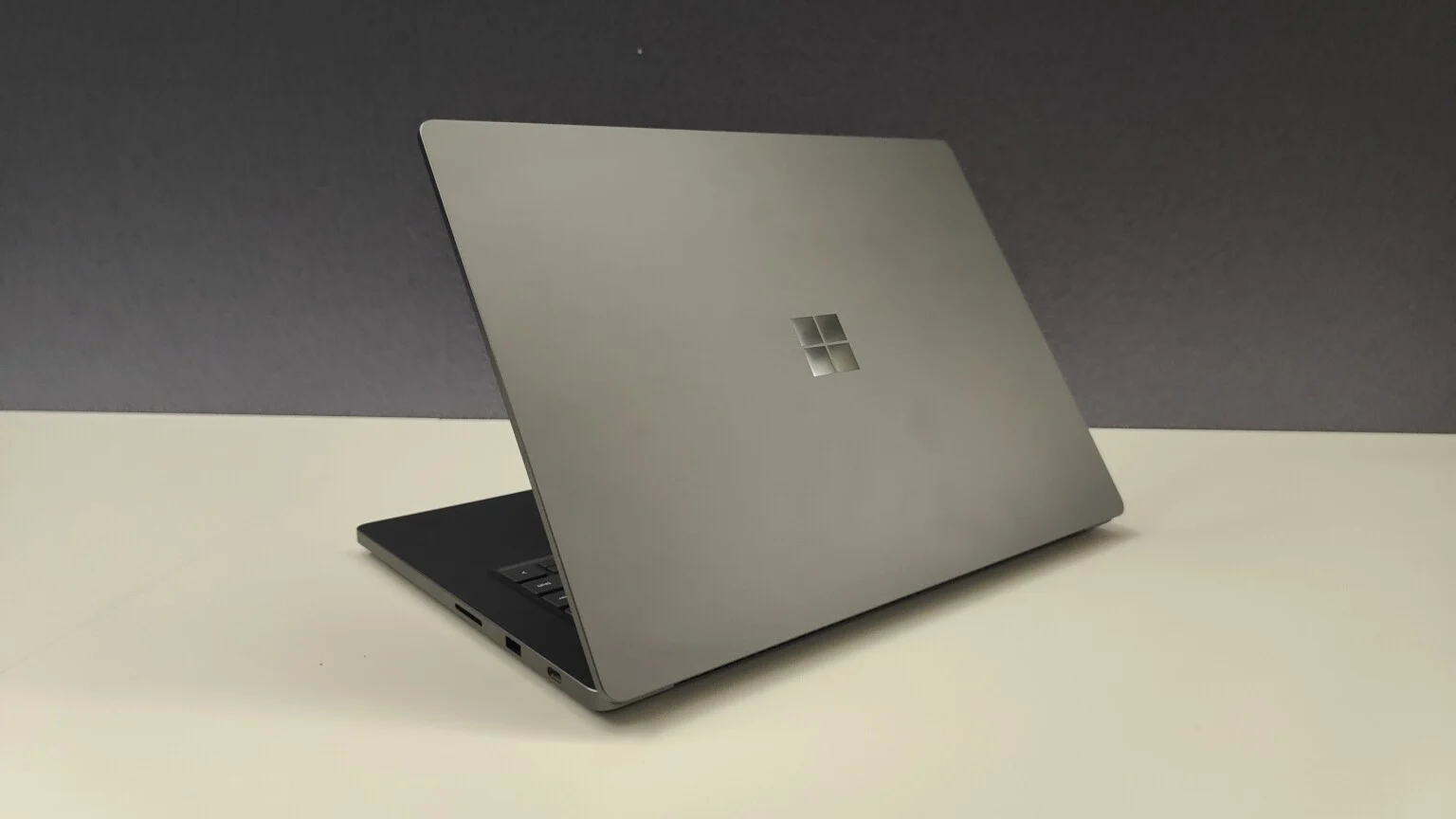
The Surface lineup had gone stale, and this is the reset. The Surface Laptop Ultra runs on NVIDIA's RTX Spark Arm chip and features a brand-new mini-LED display. Microsoft designed it for a new era of productivity, one where AI agents work alongside your eyes, brain, and fingers.
It can run AI models up to 120 billion parameters locally while handling general productivity tasks. How does that actually play out? We'll find out this fall. But for now, it's the most exciting Surface in years.
/4. Dell XPS 13, The MacBook Neo Fighter
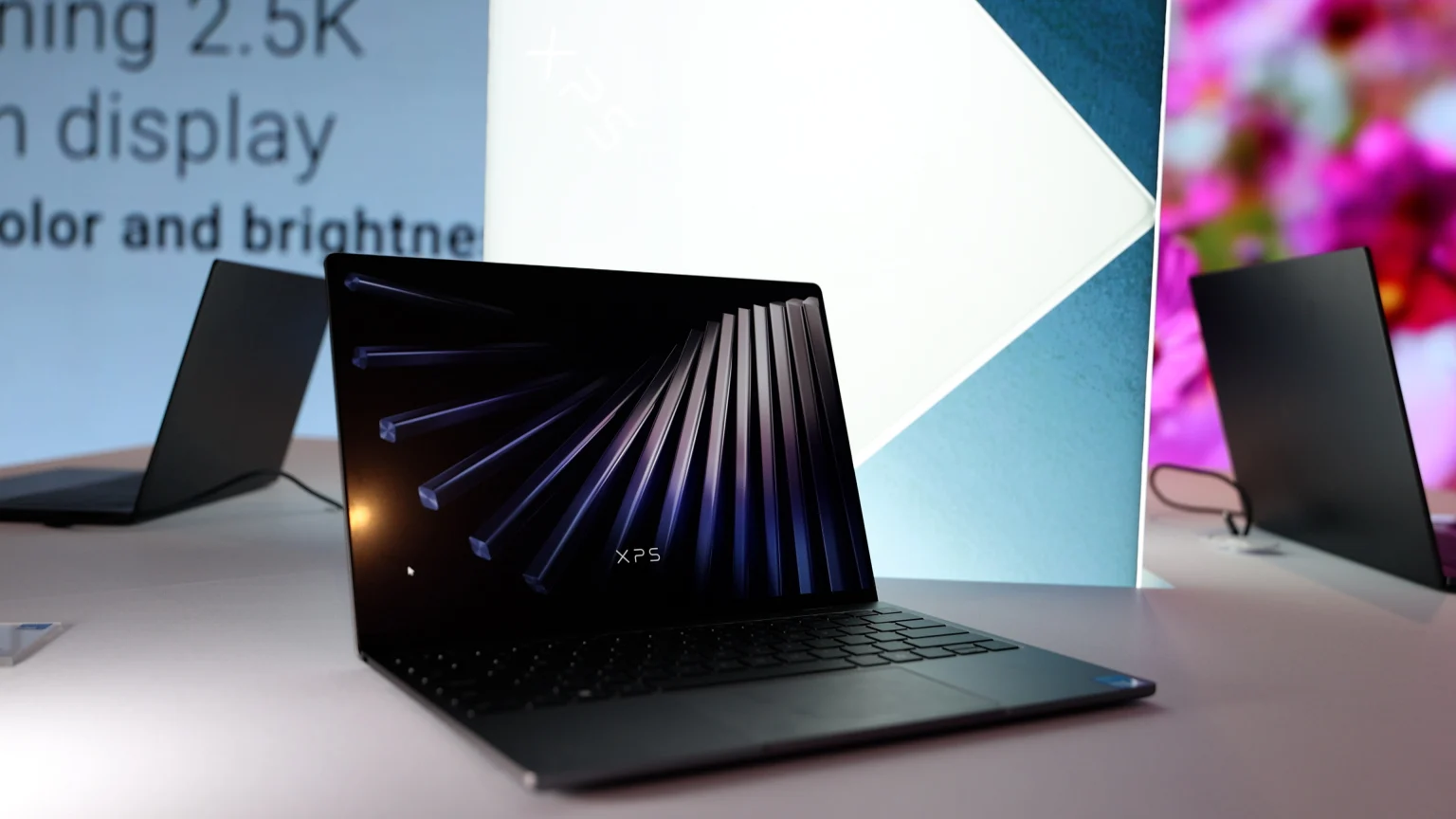
The MacBook Neo forced PC vendors to respond. Dell already had its answer ready. The revived XPS 13 starts at $599 for students ($699 for everyone else). It packs an OLED display, an aluminum chassis, and Intel's new Wildcat Lake processor. The 13.3-inch screen hits 2560×1600 resolution — about 225 pixels per inch, which is Retina territory.
It even has a backlit keyboard and a touchscreen. Two things the Neo lacks. Cautious optimism is warranted here. The base model only has 8GB of RAM and a 512GB SSD. That's tight for power users. And we only have Dell's word on battery life so far. But if the benchmarks hold up, this could be the ultimate daily driver for budget-conscious remote workers.
/5. Asus Zenbook 14: Another Neo Wannabe?
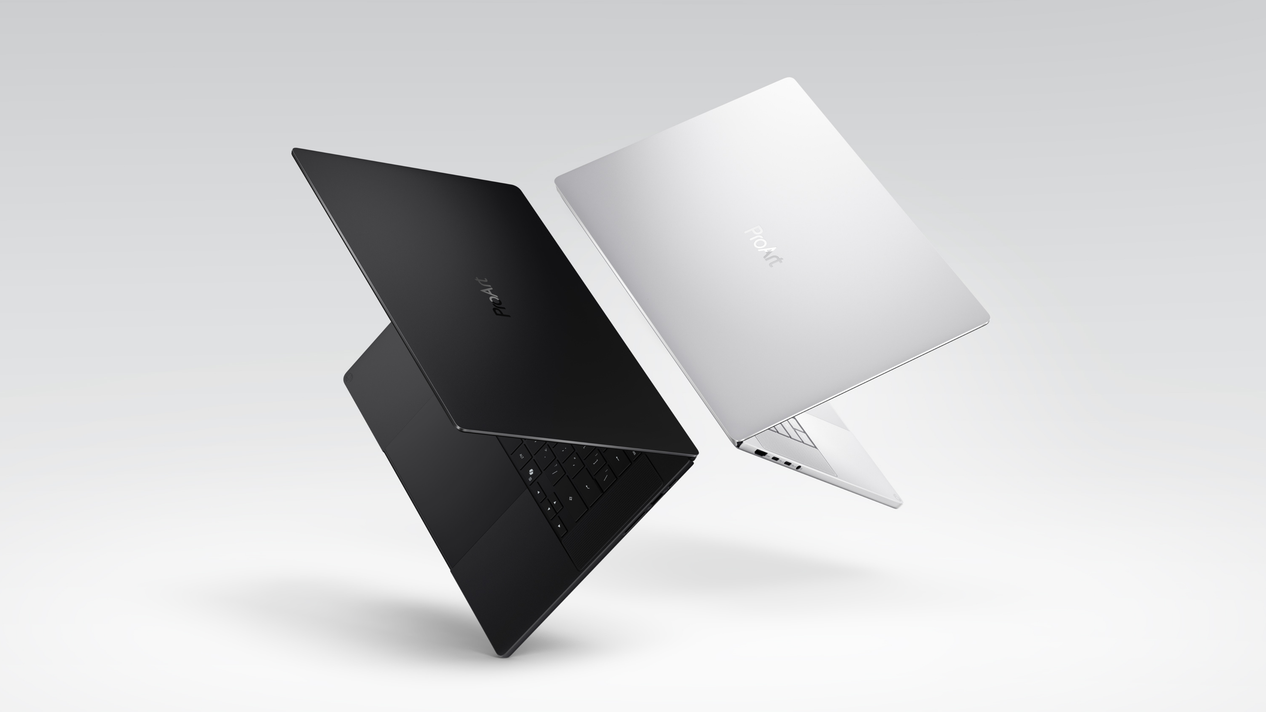
Asus launched multiple Vivobooks and ExpertBooks, but the Zenbook 14 caught my eye. It comes with a base-level Snapdragon X1-26-100, plus AMD and Intel options. The Qualcomm version starts with just 8GB of RAM and a 256GB SSD. That's weak. It sounds like another MacBook Neo wannabe. But we don't know pricing yet. If Asus prices it aggressively, it could matter. If not, skip it.
/6. ROG XReal R1 AR Glasses
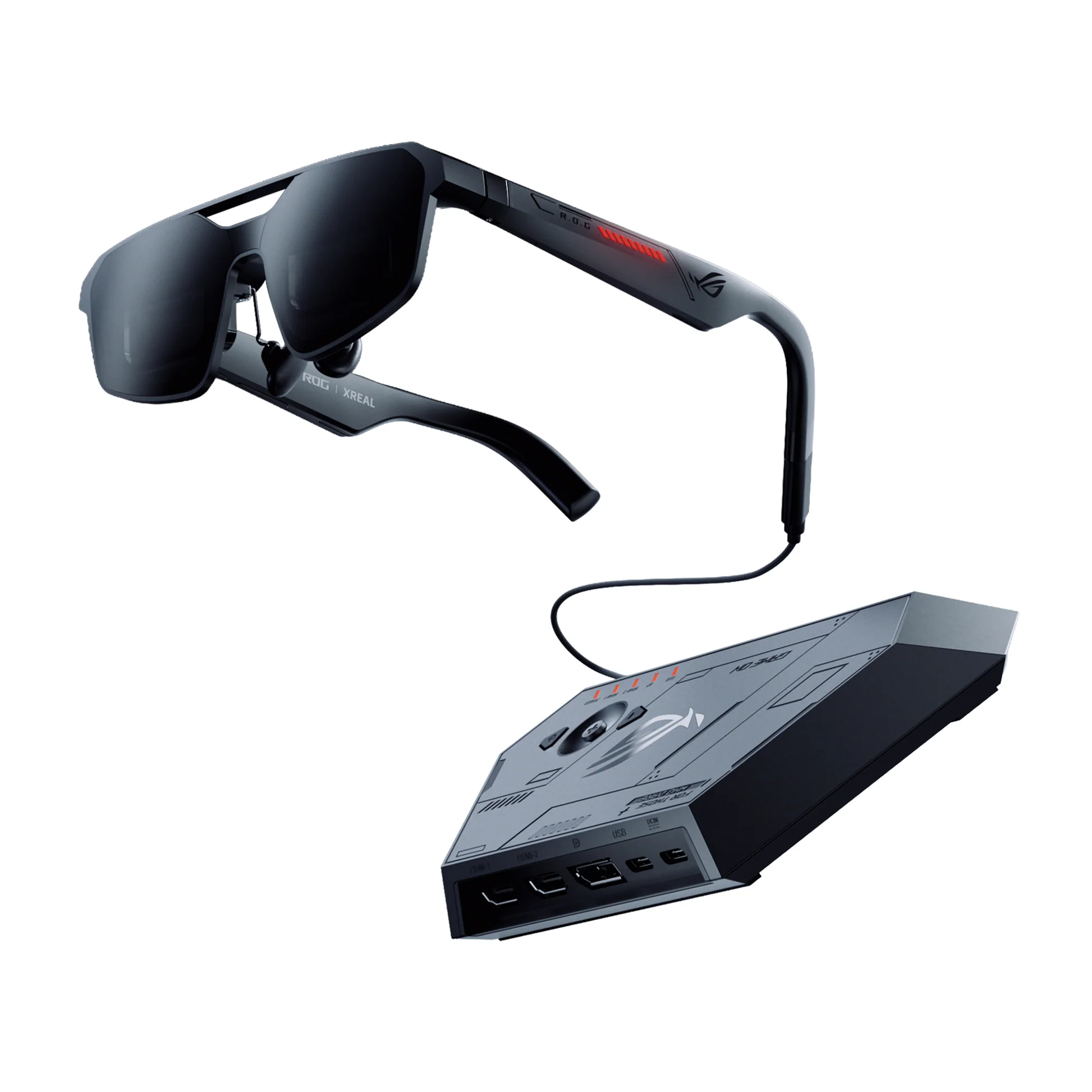
AR glasses usually suck for long gaming sessions. The ROG XReal R1 doesn't. They are lightweight and comfortable enough to wear for hours. You can anchor the display, let it move with your head, or toggle a 57-degree expanded field of view that covers about 95 percent of your vision. The refresh rate reaches 240Hz, and there is also a 3D mode. The ROG control dock is compatible with HDMI and DisplayPort, so you can use the glasses with your PC and your handheld gaming device.
/7. Acer Swift Air 14
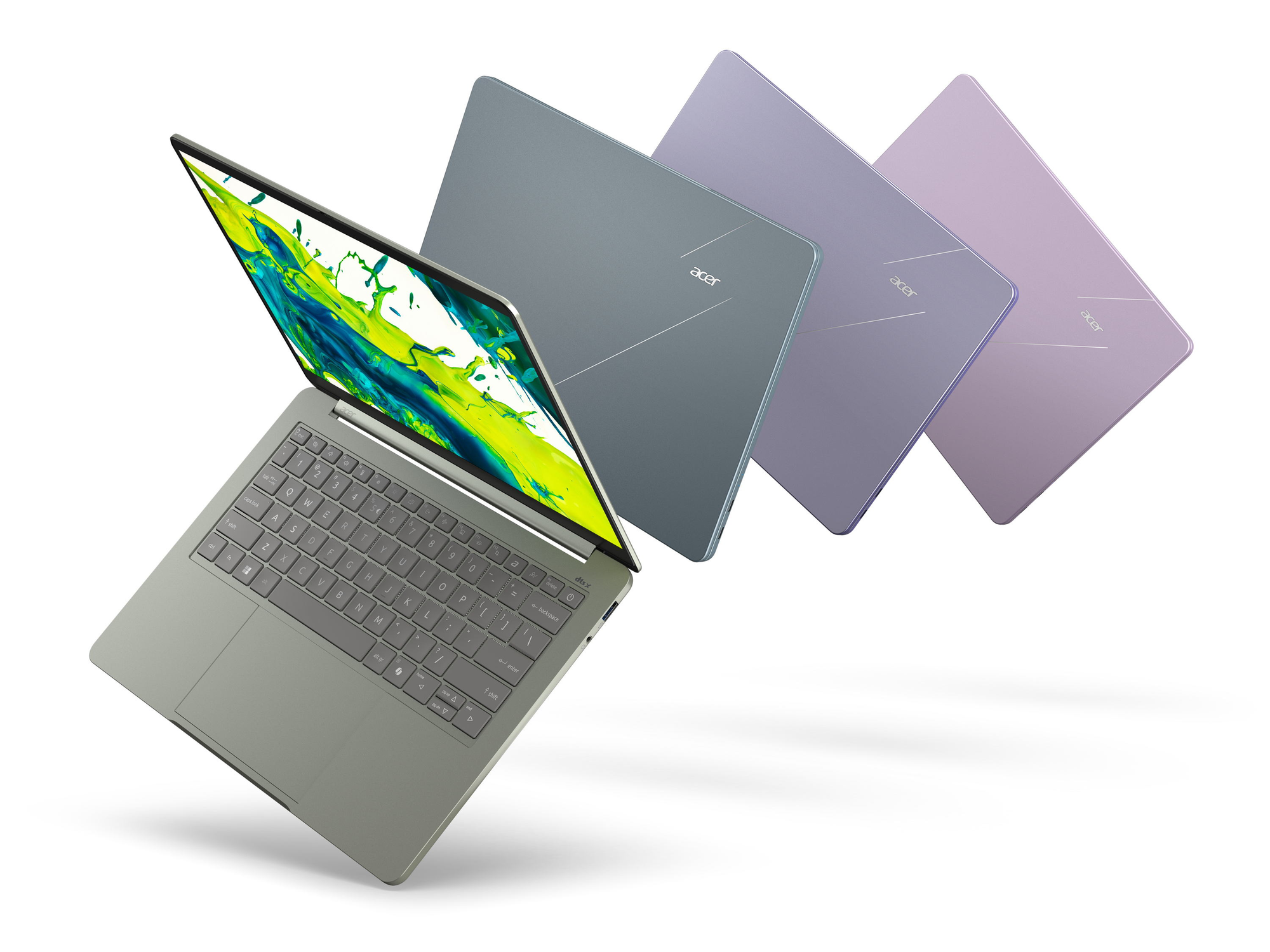
Not everyone needs a powerhouse. Some people just need a reliable laptop that looks good and doesn't break the bank. The Acer Swift Air 14 costs $599. It comes in pink, purple, green, and blue. It's geared toward students and hybrid workers. It doesn't feel cheap or flimsy.
Specs include 16GB of RAM, up to 512GB of storage, and a WUXGA IPS display at 300 nits of brightness with a 120Hz refresh rate. Acer claims it has 19 hours of battery life and a 50 percent charge in 30 minutes. It would be available in August.
/8. Hyte Y50 Case
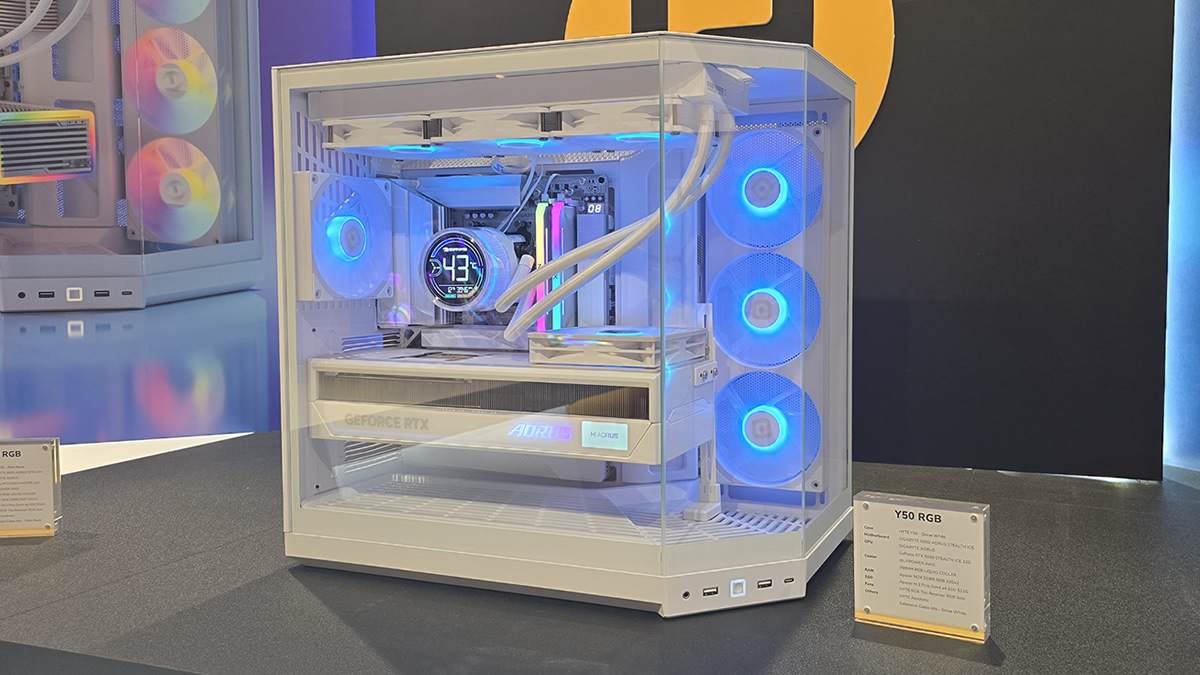
Building your own PC used to be an expensive, highly specialized hobby. Not anymore. Hyte's new Y50 looks and feels like a premium case. It's made of steel and tempered glass. It comes in five colors. It supports up to nine fans (four included). It has a dual-chamber design with enough space for everything. The price? $99. Available for pre-order in June and ships in early fall.
/9. NVIDIA DLSS 4.5 Ray Reconstruction
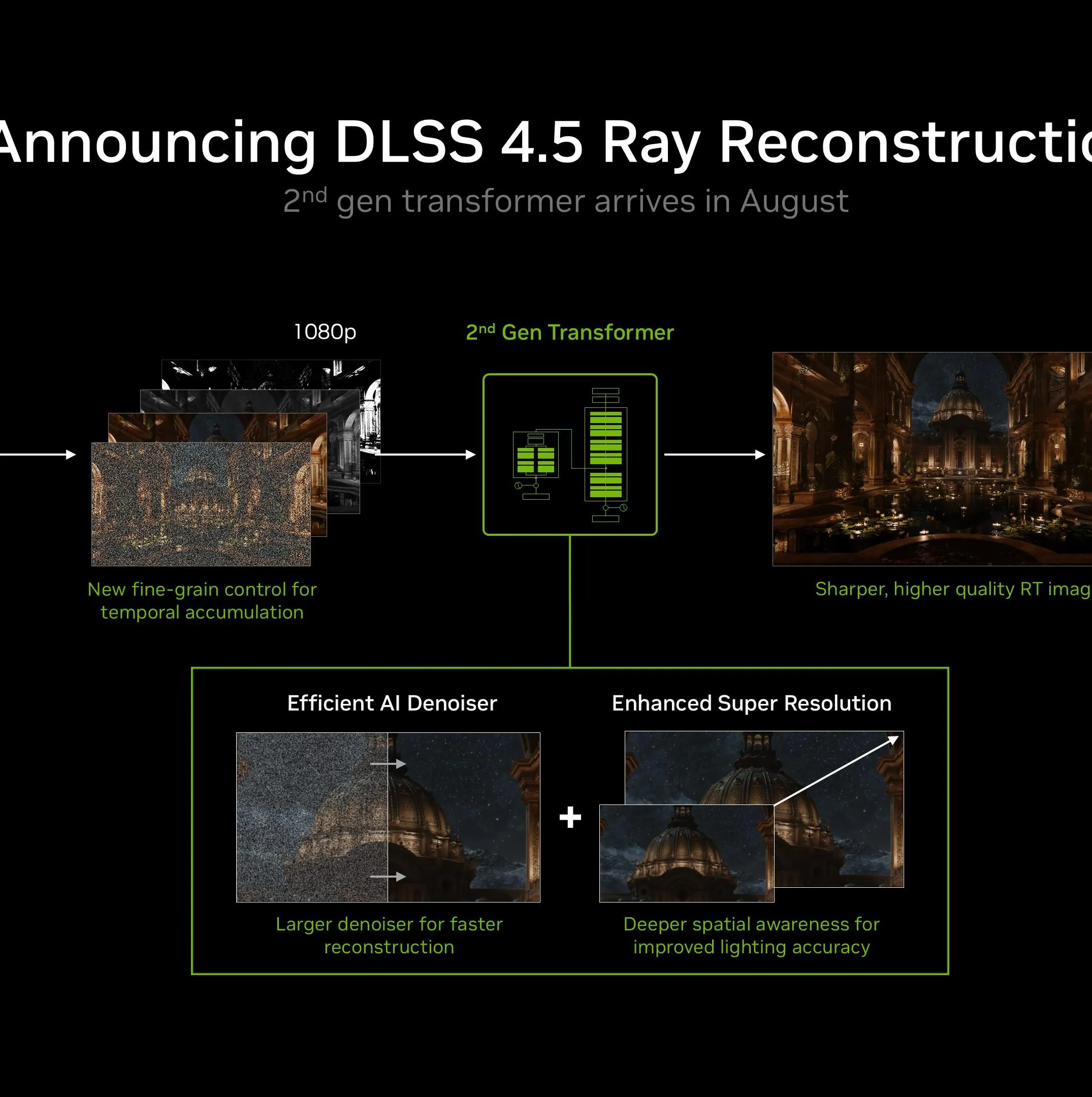
NVIDIA announced a new feature for DLSS 4.5 called Ray Reconstruction. It uses a second-generation transformer AI model to "generate higher-quality pixels in the noisy parts of a ray-traced frame where rays were not sampled."
What that means is that explosions and sparks look cleaner, and light bounces off surfaces more realistically. The best part? It works on all GeForce RTX GPUs, all the way back to the 20-series. The device would be available starting in August.
/10. Intel Arc G3 Extreme
Intel didn't announce much, but the Arc G3 Extreme is worth watching. It's the company's latest shot at the gaming handheld market. Details are still thin, but Intel needs a win in this space.
Conclusion
PC innovation stops for no one. Not tariffs, not AI hype, and not economic uncertainty. Computex 2026 proved that the industry still has plenty of gas in the tank. From NVIDIA shaking up the CPU market to Dell offering a legitimate MacBook alternative, there's a lot to be excited about. The next few months will tell us which of these delivers.
 David Adubiina