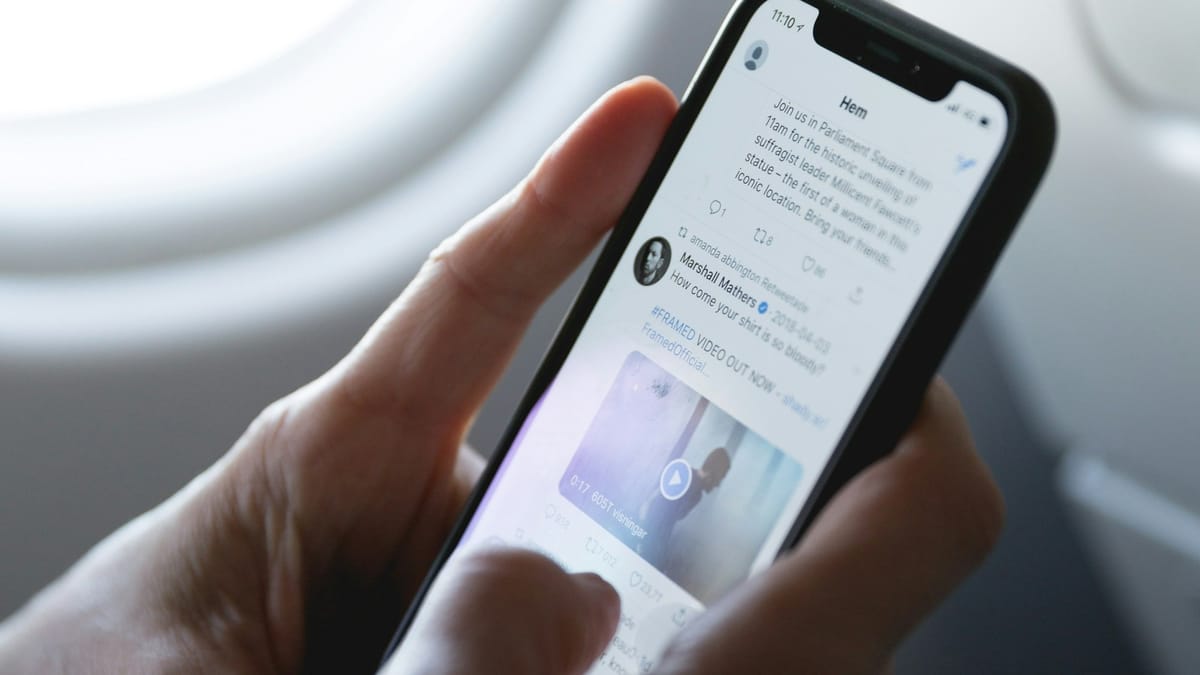
Scroll through X today and it still feels like a social platform. You read posts, reply to threads and watch videos. But very soon, you may also be able to send money, hold a balance and earn yield without ever leaving the app.
The April launch of X Money, Elon Musk’s most ambitious overall yet since he bought the company formerly known as Twitter, has been on the table since March. The specific date is not known yet.
What started as part of Musk’s broad “everything app” vision is now shaping up as a real financial product with defined features, partners and regulatory approvals. As the rollout approaches, here is everything we currently know.
 Jemi Motesho
What X Money Will Actually Offer
At its core, X Money is expected to handle everyday payments. Users will be able to send peer-to-peer transfers inside the app, making it possible to move money as easily as sending a direct message. The feature is also expected to support bank deposits and withdrawals, allowing users to connect their existing accounts and move funds in and out.
A debit card tied to X Money balances is also expected to be part of the rollout. On top of that, cashback rewards are expected to be included, adding a consumer-friendly incentive that mirrors what many fintech apps already offer.
X is building something that looks and feels like a full-service payments app rather than a small add-on feature.
𝕏 Money early public access will launch next month
— Elon Musk (@elonmusk) March 10, 2026
The 6% Yield Feature Drawing Attention
One of the most eye-catching details is the proposed 6% yield on balances held within X Money accounts. That figure has stood out since it was first mentioned and continues to generate discussion.
A yield at that level places X Money closer to high-yield fintech products or money market-style accounts than to a basic wallet. It also raises regulatory questions. Lawmakers in the US are currently debating how yield-bearing products offered by nonbanks should be treated, especially as discussions around financial oversight continue in Washington.
Offering returns on user balances moves X further into traditional financial territory, where rules are tighter and scrutiny is stronger.
The Visa Partnership and Why It Matters
A key part of what we know involves X’s partnership with Visa. Rather than building a payments network from scratch, X is plugging into existing financial infrastructure. The partnership enables debit card functionality and supports peer-to-peer transfers tied to established banking systems.
Payments are heavily regulated and technically complex. By working with a global card network, X reduces friction and strengthens trust with users who may hesitate to store money inside a social platform. It also signals that the company is aiming for mainstream adoption, not just experimentation.
Musk has previously said he wants to create “the most useful app in the world.” Integrating payments through established financial rails is a practical step toward that goal.
Is Crypto Part of the Plan?
Despite Musk’s public support for digital assets in the past, X Money is currently described as a fiat-based product. There has been no official confirmation of crypto functionality at launch, and no mention of assets such as Dogecoin as part of the feature set.
Dogecoin did see a brief spike when X Money updates first circulated, driven in large part by speculation. However, based on confirmed details, the product is positioned more like a competitor to Venmo or China’s WeChat than a crypto wallet.
That could, however, evolve in the future, but for now the focus appears to be firmly on traditional currency and regulated payment systems.
Licensing and Regulatory Footing
Over the past year, X has secured money transmitter licenses across more than 40 U.S. states through a licensed subsidiary. This step is critical for legally moving money on behalf of users.
That licensing effort shows that X Money is not a rushed experiment. It has been structured to operate within existing financial rules. At the same time, features like yield and debit cards bring it closer to the territory typically occupied by banks and fintech firms, which means regulators are likely to watch closely as adoption grows.
 Fishon Amos