


Africa has the stories, the talent, and an increasingly visible creative industry. But turning that creativity into sustainable businesses remains a different challenge.
That gap was one of the central issues explored at Entertainment Week Africa (EWA) 2026, which ran from November 17 to 22 in Lagos under the theme Closing the Gap. It was held at EbonyLife Place in Victoria Island, alongside Livespot Entertarium in Ikate, Lekki.
We attended several activities, including the Film Lab Africa showcase, an industry speed-dating session, and conversations around film, technology, and creative development.
Across these activities, one question kept emerging: what will it take to build an African entertainment industry that can not only produce compelling creative work but also finance, develop and commercialise it?
Missed the action at Entertainment Week Africa 2026? Catch up on the highlights, conversations, and moments from the Film Lab Africa showcase in our recap videos.
Follow along on Instagram, LinkedIn, X, and YouTube Shorts.
Africa's creative talent needs stronger business structures
One of the clearest observations came from Harry Kesiena, Head of Arts, Creatives and Culture at the British Council Nigeria, who pointed to a gap between Nigeria's creative potential and the business knowledge available to many professionals working in the sector.
"A lot of creatives lack the business and structure; hence they do not know or understand how to market themselves. Nigeria is incredibly creative," he said.
His observation highlights a challenge that extends beyond developing creative skills. Understanding how to market a project, identify commercial opportunities, and build a sustainable career is an important part of working in the creative industry.
Kesiena believes stronger government support and creative infrastructure could help address some of these challenges.
"I want to see that in the next two years, a lot of potential can happen. The Ministry of Arts and Culture is a good one, and creative hubs are needed. With the right policies, funding and backing, it will be excellent," he added.
EWA's Creative Enterprise track also reflected the need for stronger business structures, particularly through the EWA Deal Room, which returned for its fifth year with a focus on preparing creative businesses for investment and growth.
EWA Deal Room marks five years with ₦10 million in grants for creative businesses
Since 2022, the EWA Deal Room has worked with 30 creative businesses through mentorship, business development and investor engagement. The programme says participating businesses have collectively secured millions of dollars in follow-on investment.
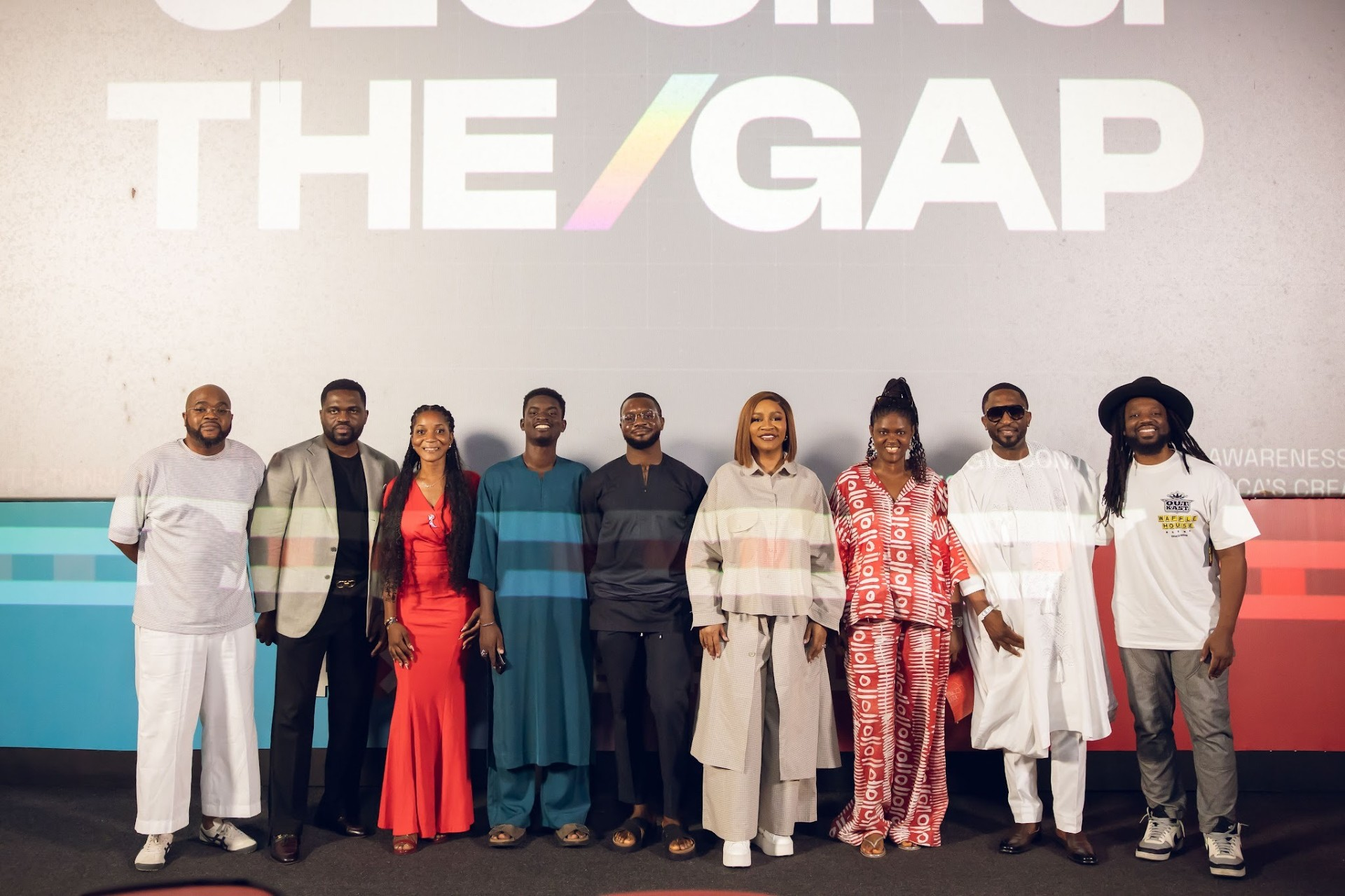
At EWA 2026, founders from previous cohorts, participating businesses and investors gathered to mark the initiative’s fifth year. Across the EWA Deal Room and EWA Fashion Lab, 30 mentors supported businesses, while four companies received a total of ₦10 million in grants.
- Growwr: The AI-powered HR and hiring platform founded by Obinna Umeh received ₦5 million as Best Company across the 2022–2026 cohorts.
- Joo247: The music and audio streaming platform founded by Adenike Adegbite received ₦1 million as Most Promising Startup across the 2022–2026 cohorts.
- Lena: The AI-powered EdTech company founded by Faruq Bilesanmi received ₦3 million as the highest-scoring company in the 2026 EWA Deal Room.
- Emergency Echo: The AI-powered healthcare platform founded by Kadiri Muminat Yewande received ₦1 million as runner-up in the 2026 EWA Deal Room.
The jury included Kemdi Ebi, director and lead mentor of the EWA Deal Room.
“Africa's creative economy has never been short of talent. What it lacks is the bridge to real capital and the right partners,” Ebi said, highlighting access to investment and partnerships as key challenges for creative businesses.
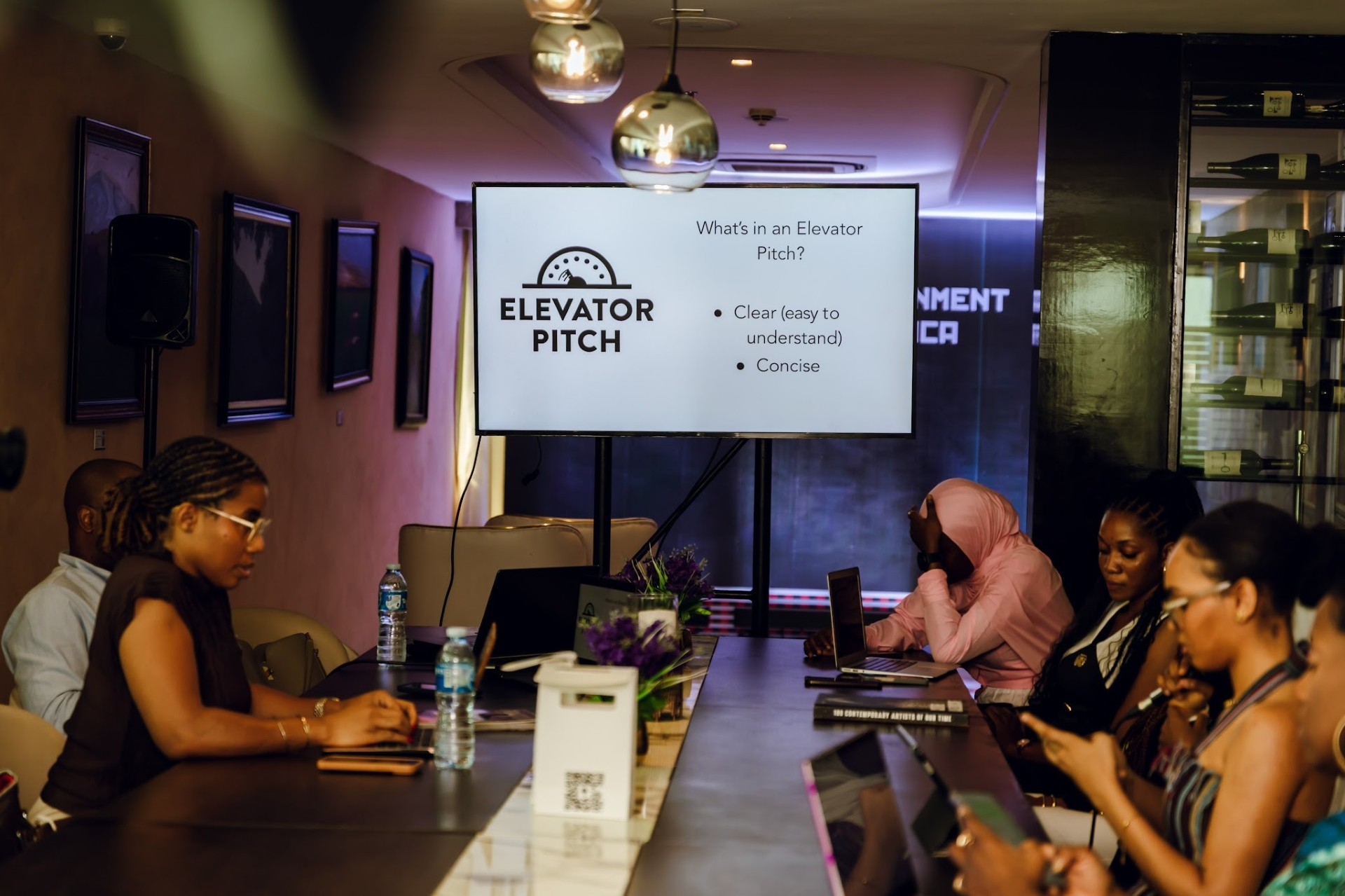
The event also included an alumni meetup for founders from previous cohorts and an Investors' Breakfast attended by returning and new investors. Organisers said investors expressed interest in continuing discussions with nearly all five companies featured during the session.
The EWA Creative Job Fair connected creative professionals with organisations and potential employers.
The five-year milestone brought together businesses from different cohorts, investors and mentors, with grants, networking and employment opportunities forming part of the event.
Film Lab Africa puts emerging Nigerian filmmakers in focus
The Film Lab Africa showcase provided one of the clearest examples of the talent and original storytelling emerging from Nigeria's film industry.
Featuring projects from the second cohort of the British Council-backed filmmaking programme, the showcase explored the theme Taboo, encouraging filmmakers to examine subjects and experiences that are often considered sensitive or uncomfortable in society.
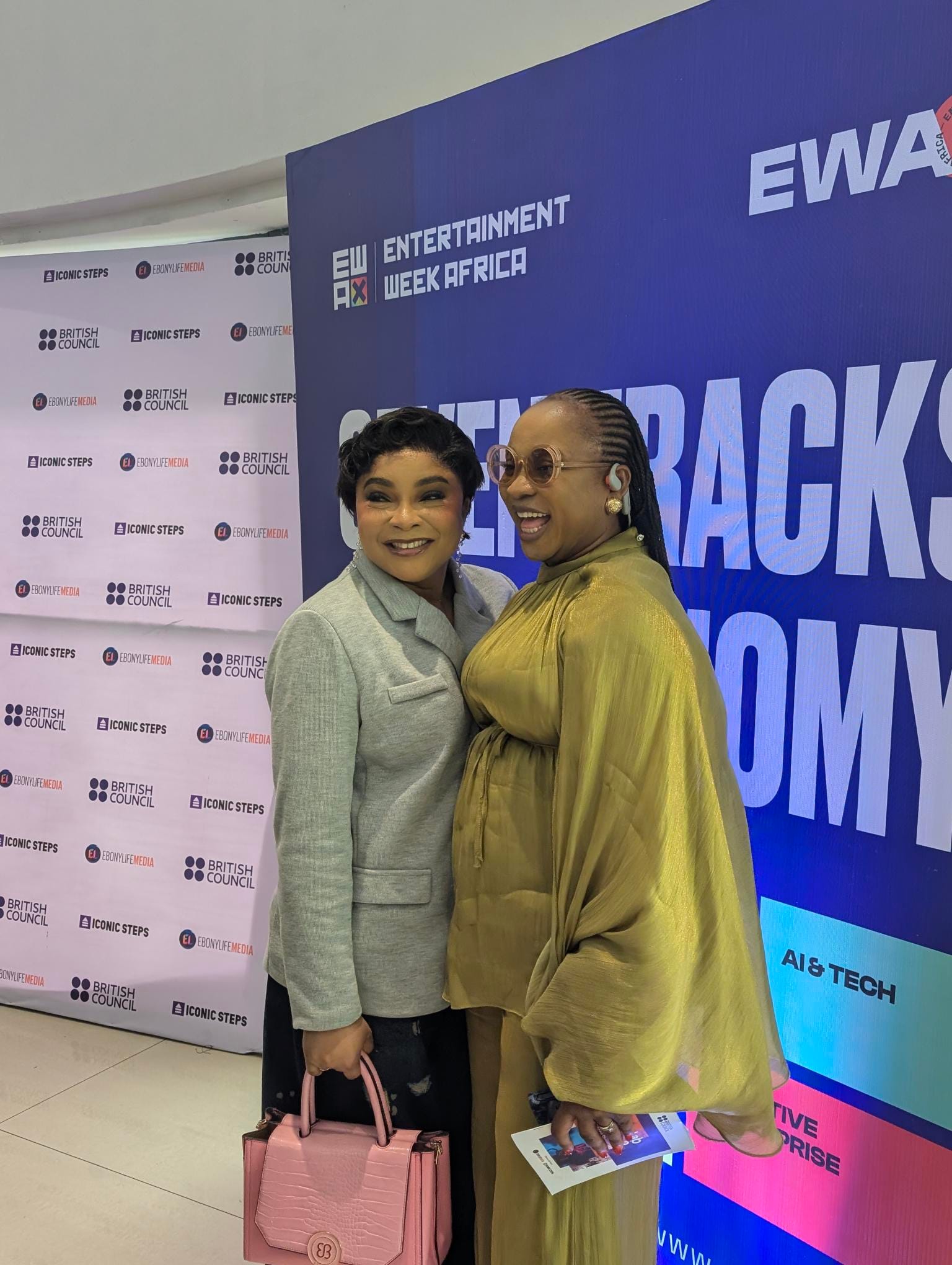
The films presented included Generations to Generation, Hysteria, Omorogun, Azen, Something in the Blood and Where Is the Gizzard?
Beyond the screenings, filmmakers and members of their production teams had an opportunity to discuss the ideas behind their projects, their creative decisions and the process of bringing the stories to the screen.
One of the featured projects, Where Is the Gizzard?, was developed by Aghogho Tega, a screenwriter and filmmaker selected among the seven writers for the programme's first phase. Using drama and satire, the film examines how society treats certain subjects as taboo, turning familiar social attitudes into a story that encourages audiences to reconsider them.
For Donna McGowan, Country Director of the British Council in Nigeria, seeing the completed films and the audience's response was one of the highlights of the showcase.
"I'm excited to see the films and also see the audience reception of the films," she said.
Victoria Ijeh-Allen, CEO and founder of Iconic Steps, also emphasised the importance of giving emerging filmmakers the resources to develop their ideas.
"I need to see more of the fresh stories and creativity with excellent funding," she said.
Her comment points to an important part of the filmmaking process. Training and mentorship can help emerging professionals develop their craft, but production funding and opportunities for distribution are necessary to move projects beyond development and bring them to audiences.
Film Lab Africa is a British Council initiative delivered with partners including EbonyLife Creative Academy and Iconic Steps. Through training, mentorship and production opportunities, the programme supports emerging African filmmakers in developing their skills and bringing original stories to the screen.
 Treasure Ayanfe Adetula

Industry speed-dating creates room for professional connections
Another activity I attended was the industry speed-dating networking session, which offered a more structured approach to professional introductions.
Rather than leaving participants to navigate a crowded networking space, the session organised interactions into short conversations. Attendees had limited time to introduce themselves, explain their work, and learn about the people they were paired with.
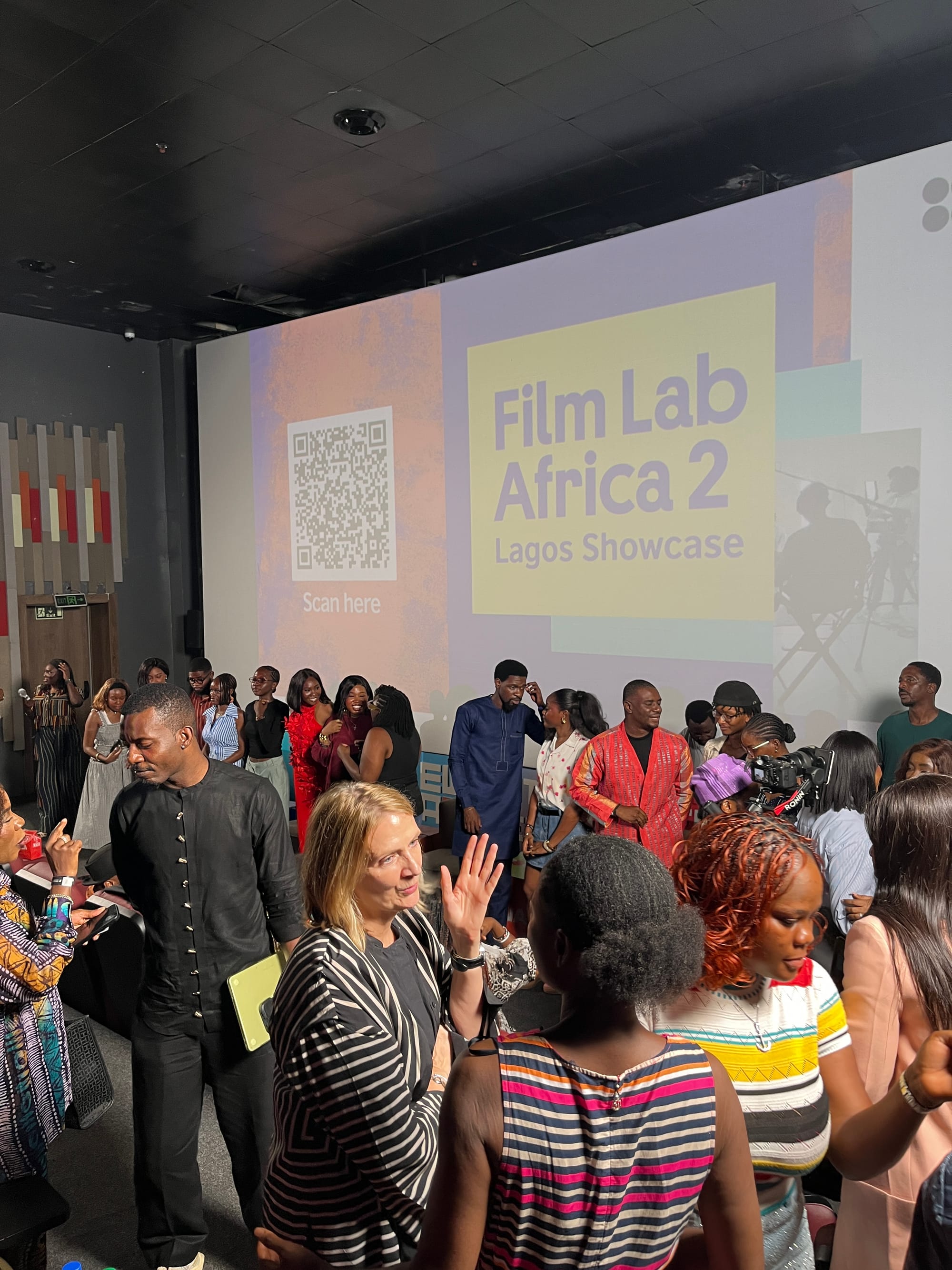
The format made the networking process more focused, allowing participants to move between conversations and meet people working in different parts of the creative industry.
While it was not possible to establish what professional relationships or collaborations emerged from the session, its format provided an opportunity for people to make introductions outside their immediate professional circles.
The business conversations behind African film and television
Subscribe for free to continue reading this article
Subscribe SubscribeAlready have an account? Log in


