



The European Union is preparing to impose a blanket ban on cryptocurrency transactions involving Russian entities, as part of its 20th sanctions package since the invasion of Ukraine. The proposal, led by the European Commission, would prohibit EU individuals and companies from engaging with any crypto-asset service provider established in Russia, according to reporting by the Financial Times.
This measure goes beyond earlier sanctions that targeted specific exchanges or named entities. Instead, it seeks to block all Russian-linked crypto transactions to close loopholes that officials believe have allowed sanctioned actors to reroute activity through rebranded platforms or alternative digital channels.
 Jemi Motesho
Closing the Loopholes
The technical details come into focus once the broader picture is clear. Crypto transactions are not bound by the same correspondent banking systems that traditional sanctions regimes were built around. Stablecoins, decentralized exchanges, and peer-to-peer transfers can move value quickly across borders. EU policymakers worry that without a comprehensive ban, sanctioned Russian entities could continue accessing liquidity or settling trade in digital form.
The proposed measures reportedly extend to Russian-linked digital financial infrastructure, including ruble-backed stablecoins and even any future central bank digital currency issued by the Bank of Russia. That signals a shift from targeting individual companies to targeting the ecosystem itself. However, adoption of the package requires unanimous approval from all 27 EU member states, a political hurdle that has complicated past sanctions efforts.
The move also aligns with the EU’s broader regulatory tightening under the Markets in Crypto-Assets framework, which already imposes stricter compliance and reporting standards on exchanges and service providers operating within the bloc. In this context, the Russia-focused ban is not an isolated step but part of a wider effort to integrate crypto more firmly into the existing sanctions and financial monitoring architecture.
 Louis Eriakha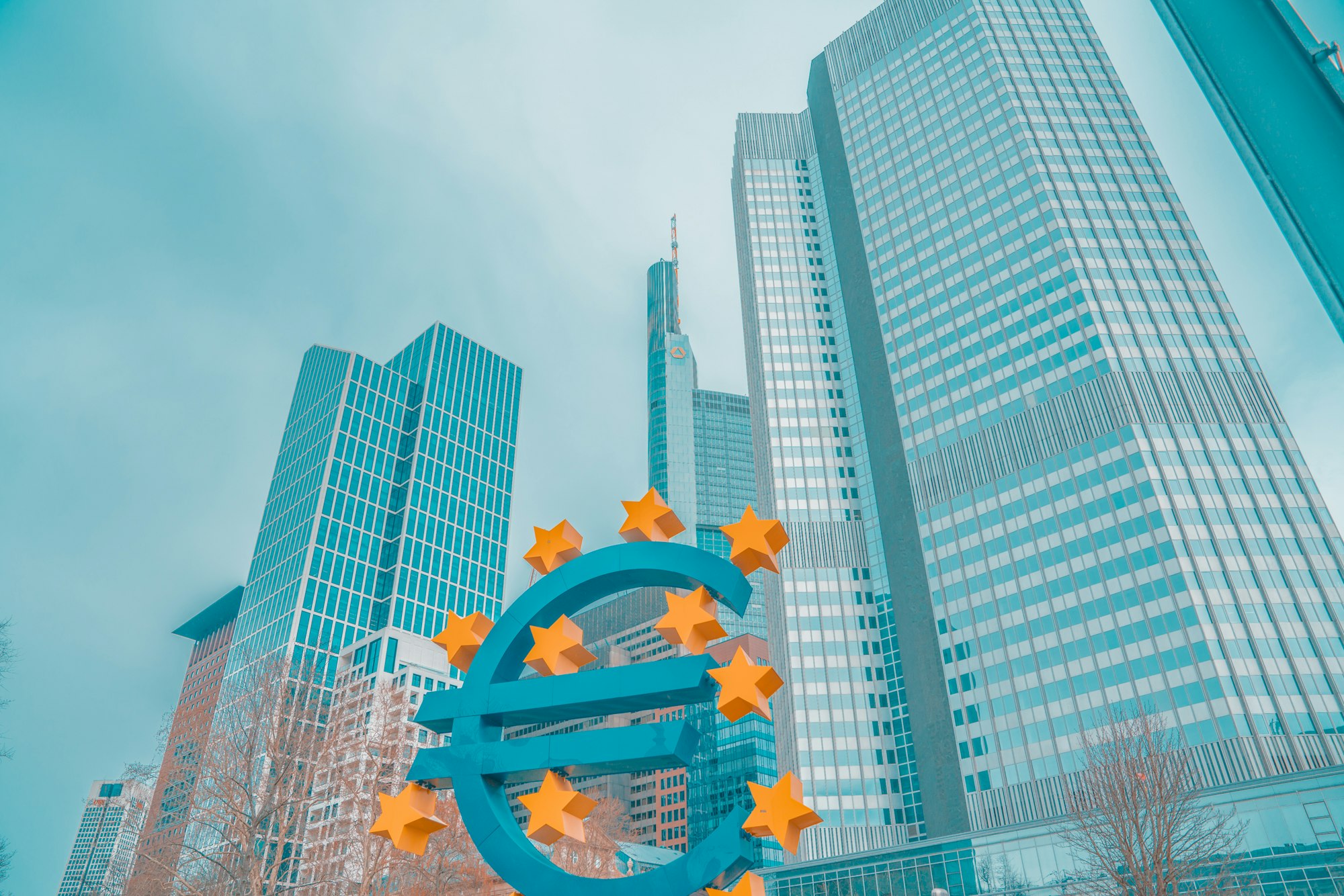
This drive for control is coupled with an ambitious plan to establish a domestic alternative to both private crypto and foreign payment rails. During his speech at the New Year’s Reception of the American Chamber of Commerce in Germany in Frankfurt, Joachim Nagel, President of the Deutsche Bundesbank, emphasized that the EU is “working hard on the introduction of the digital euro. This will be the first pan-European retail digital payment solution, based solely on European infrastructures.”
Moscow’s Mining Momentum
While Brussels focuses on restrictions, Moscow is leaning into expansion. Russia has steadily moved to formalize its domestic crypto sector, particularly mining, which has become one of the country’s strategic digital industries. Abundant natural gas reserves and cold climates make large-scale mining operations economically attractive, especially in regions such as Siberia and Mordovia.
Brokerage firm Finam recently launched trading in units of a new investment fund dedicated to cryptocurrency mining operations. The fund pools capital to finance industrial mining facilities, some powered by domestic energy resources that might otherwise go underutilized. Crucially, the vehicle has been registered with the Bank of Russia, signaling a growing degree of institutional recognition.
For Brussels, crypto represents a potential sanctions-evasion channel that must be sealed. For Moscow, it is an economic lever that can cushion isolation from Western financial systems. The effectiveness of the EU’s proposed ban will depend on enforcement, coordination with global partners, and the technical capacity of exchanges to identify and block Russian-linked activity. Meanwhile, Russia’s mining expansion suggests that even as cross-border channels narrow, domestic production and internal crypto markets may continue to grow.


