



You’d think food delivery apps were battling it out for your next lunch. But behind the scenes, two of Europe’s biggest players, Delivery Hero and Glovo, were quietly making sure they never had to.
It started in 2018, when Delivery Hero took a minority, non-controlling stake in Glovo—not enough to run things, but apparently enough to start coordinating. Over the next four years, the two companies slowly erased competitive lines between them.
They swapped confidential pricing info over WhatsApp, avoided entering each other’s markets, and agreed not to poach employees, starting with managers and eventually covering almost everyone but freelance riders. By 2020, regulators say the competition had all but disappeared. And in 2022, Delivery Hero made it official by acquiring a 94% stake in Glovo.
 Acquah Nana Yeboah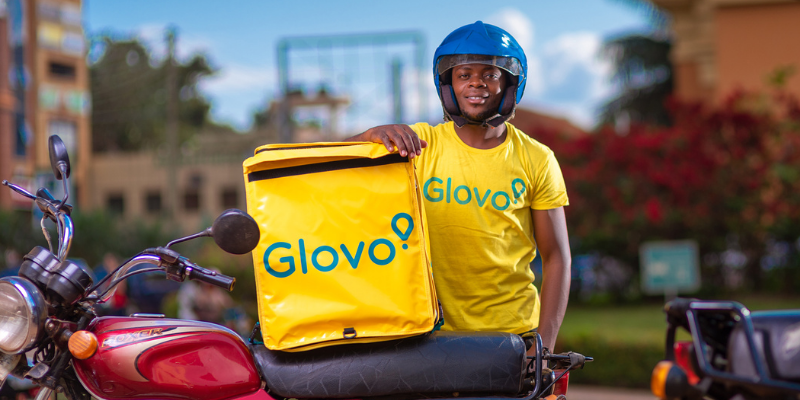
Now, the European Commission is fining them €329 million ($376M)—its first-ever penalty for a no-poach deal, and the first time a company’s minority stake has been punished for distorting competition. Delivery Hero owes €223 million of the total fine, while Glovo will cover the remaining €106 million.
As EU competition chief Teresa Ribera put it, this case shows “competition rules matter to citizens’ daily life.” When companies collude like this, it’s not just competitors who suffer. Workers miss out on better jobs, small restaurants face fewer options, and consumers foot the bill, through delivery fees, service gaps, or slower innovation.
And while this scheme played out in Europe, the ripple effects could be global. The European Commission described Delivery Hero and Glovo as a “cartel,” and that matters far beyond the EU’s borders. Glovo currently operates in 11 cities across Nigeria, partners with over 6,000 businesses, and says it’s helped generate ₦71 billion ($47M) in local revenue since launching in 2021.
But cases like this raise bigger questions: how much quiet influence can one company really have in an industry that now shapes how people eat, earn, and operate, especially in emerging markets?


