The way people choose their banks in Europe is slowly changing, and crypto is starting to play a bigger role than you might expect. What used to be a niche interest is now becoming part of everyday financial decisions, especially for younger, and more digitally active investors.
A recent survey by Börse Stuttgart Digital found that a noticeable share of investors are paying attention to whether their banks offer crypto services. In fact, about a third said they would consider moving their money to another bank that provides better access to digital assets. That shift may seem small at first, but it signals something deeper. Crypto is no longer sitting outside the traditional financial system and is starting to shape it from within.
This growing interest isn't just about trading coins. It reflects a broader expectation that banks should evolve alongside the way people manage money today. As more users become comfortable with digital assets, they want the same convenience they already get with savings, payments, and investments, all in one place.
 Jeminipe Fasheun-Motesho
The gap between demand and what banks offer
Even with this rising demand, many banks across Europe are still moving carefully. Some offer limited crypto exposure through partnerships, while others are waiting for clearer rules before taking bigger steps. That hesitation is creating a gap between what customers want and what institutions are ready to provide.
At the same time, investors themselves are still figuring things out. The survey shows that a large number of people feel they don't fully understand crypto yet. That lack of knowledge, combined with safety concerns, continues to slow adoption. Many investors are interested, but they're also cautious, and that balance is shaping how quickly things move forward.
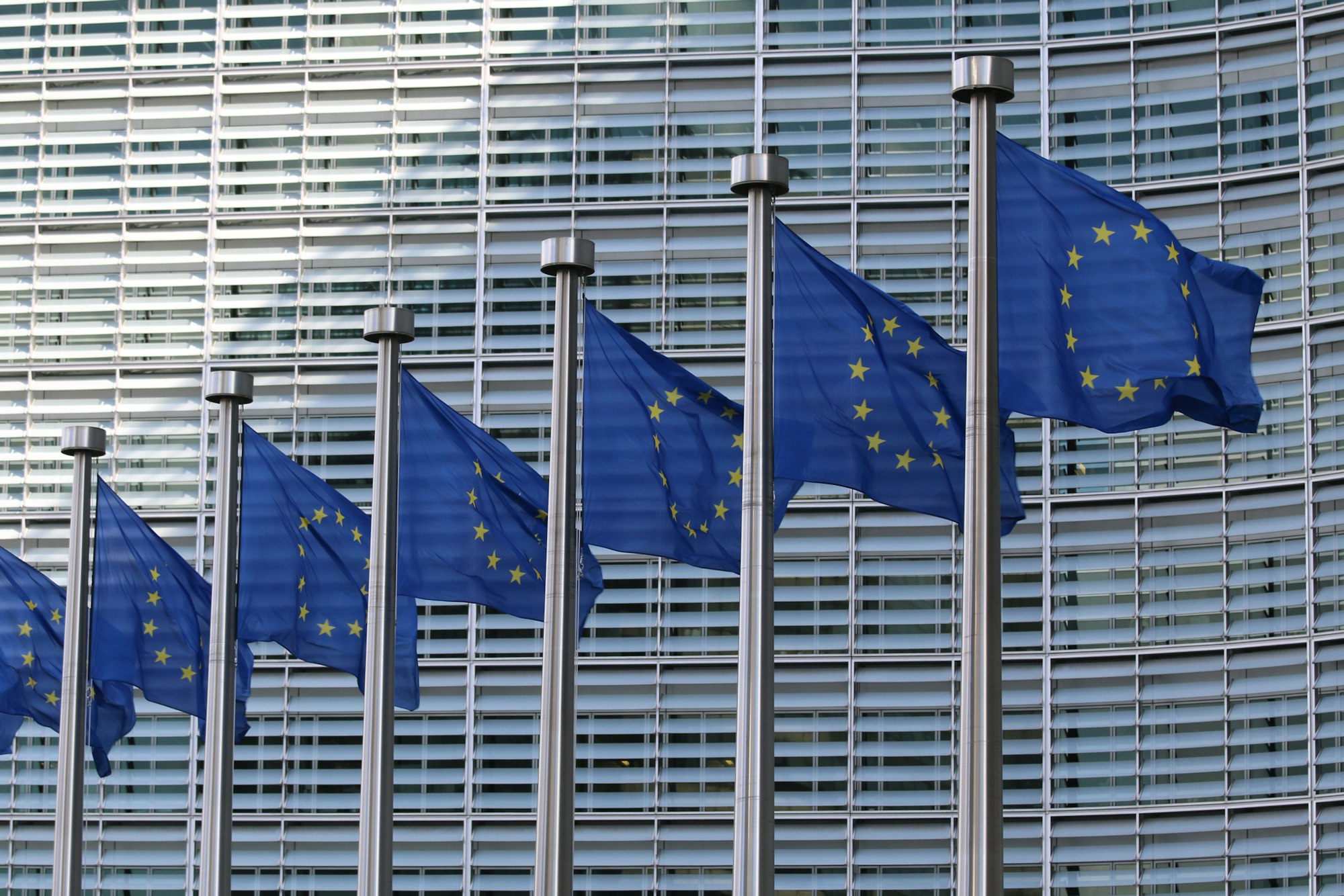
One thing that is clearly helping is regulation. The European Union’s Markets in Crypto-Assets Regulation, often called MiCA, has started to bring more structure to the market. Since it came into full effect, it has given both companies and investors a clearer idea of how crypto should operate within the financial system.
For many people, that clarity matters more than anything else. The survey found that nearly half of respondents feel more confident about crypto because of these rules.
As Matthias Voelkel put it, “Trust and clear regulation are essential for the next phase of crypto adoption in Europe. With MiCAR bringing transparency and legal certainty, investors gain the clarity they expect.”
That growing sense of trust is starting to reduce one of the biggest barriers to entry. It also puts pressure on banks, because once the rules are clearer, customers expect faster action.
Where crypto adoption is already picking up in Europe
Across Europe, adoption isn't happening at the same pace everywhere. Some countries are moving faster, with more investors already holding digital assets and showing interest in expanding their exposure.
Spain, for example, is emerging as one of the more active markets, with a higher share of investors already involved in crypto compared to countries like France or Italy. Germany is also playing a key role, not just in adoption but in building the infrastructure that supports banks and financial firms entering the space.
This uneven growth shows an important point. Crypto adoption is not just about interest, it is also about access. Where platforms, regulation, and education come together, growth tends to follow more quickly.
All of this points to a slow but clear shift in how banking is evolving in Europe. Crypto is not replacing traditional finance, but it's becoming part of the expectations people have from it. Banks are no longer competing only on fees, customer service, or digital apps. They are also starting to compete on how well they can integrate new types of assets.
Jeminipe Fasheun-Motesho