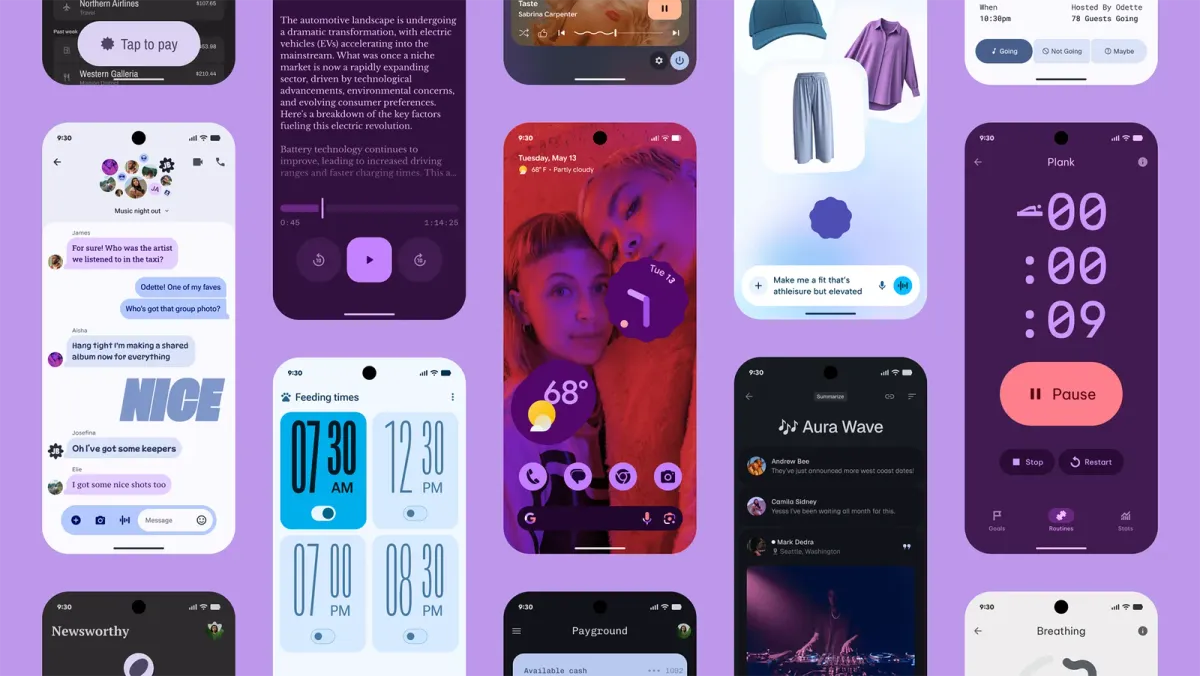
Late last year, Google finally re-entered the Extended Reality race with Android XR, but instead of competing head-to-head with Apple’s Vision Pro or Meta’s Quest hardware, Google focused on the part it knows best, the software. Android XR is essentially the “Android of spatial computing,” giving manufacturers a foundation to build all kinds of XR devices on top of.
Samsung was the first major partner to jump on board, launching the Galaxy XR in October as the debut hardware running Google’s refreshed platform. And honestly, the partnership has grown so tight that half the time, it’s hard to tell where Google ends and Samsung begins.
At this year’s Android Show (XR Edition), that relationship became even more obvious as Google laid out the next wave of features, devices, and tools coming to the ecosystem.
Here’s what stood out.
 Louis Eriakha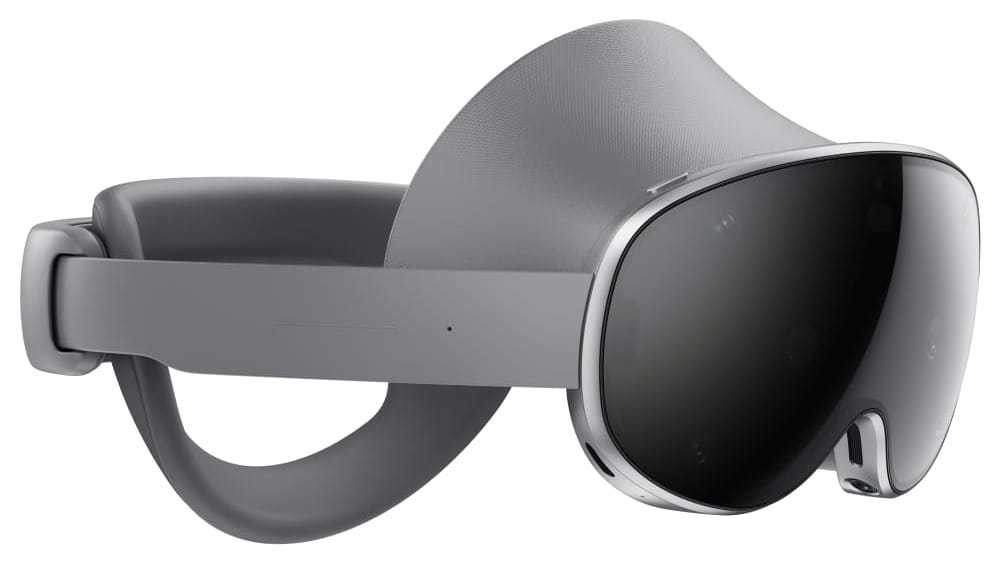
Galaxy XR Just Got a Big Boost
Right off the bat, the event talked about a couple of updates to Samsung's Galaxy XR. Since it's built on Android XR, a lot of the announced features were pretty much a collab project between Samsung and Google. It looks like the plan is to make the headset actually more useful, possibly shifting away from just being a hyper-niche device that might only get one use case, to being a device you might want to get if you just want a more immersive experience with the things you use already.
PC Connect
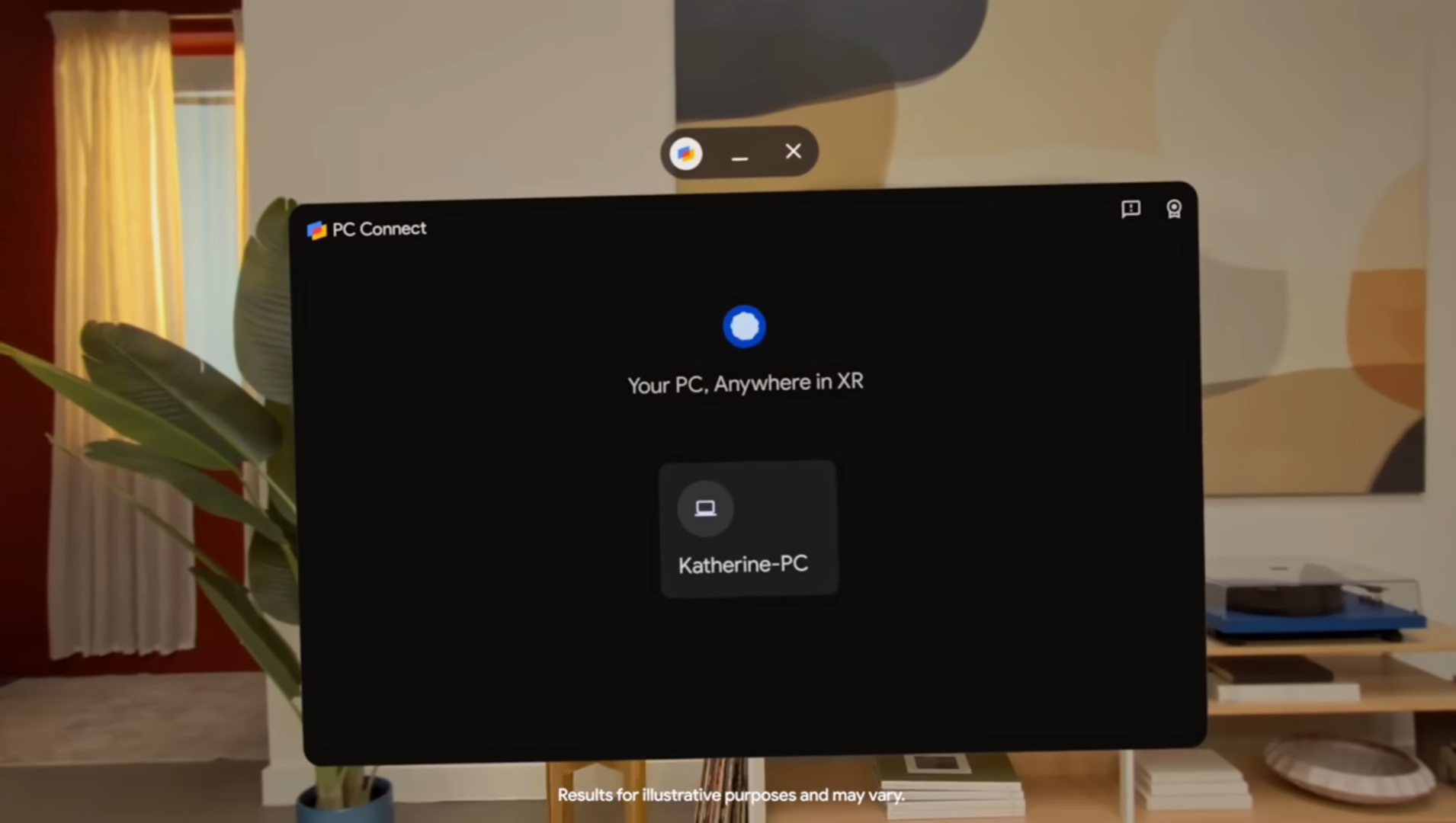
Google is rolling out a new PC-to-headset link that lets users bring their Windows desktop into XR. You can move windows around, multitask, or game on a massive virtual canvas. It’s still in beta, but it instantly makes the headset more practical.
Likeness

Likeness is Google’s new avatar system that mirrors your actual facial expressions during video calls. It isn’t at Apple Vision Pro levels yet, but the demo looked surprisingly natural, a lot better than the cartoon-style avatars users had before.
System-Level Autospatialization
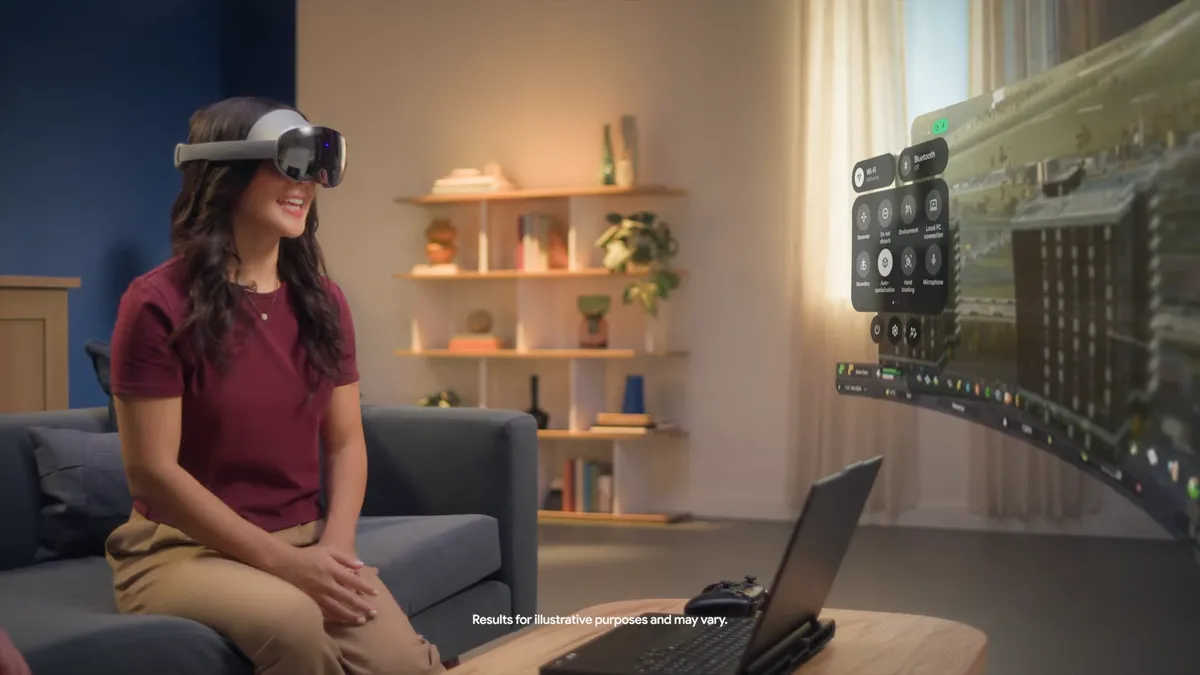
One surprise feature slipped into the event was a system-level toggle that converts regular 2D content into 3D. In the demo, a simple button transformed apps, games, and videos from flat windows into spatial, layered scenes. It’s a quiet announcement, but if it works well, it could become one of Android XR’s most important features when it launches next year.
Travel Mode
Google has said this one is coming much later, but Travel Mode is supposed to help stabilise the view when you’re in motion. It’s meant for flights, buses, or cramped spaces where headsets usually feel too uncomfortable to use. You’ll be able to watch videos or work with multiple windows without the usual motion weirdness.
Google’s XR Family Is Getting Bigger
Beyond the Samsung Galaxy XR, Google confirmed that more device types are coming as it works with Samsung, Gentle Monster, Warby Parker, and others on AI-powered glasses.
There are two models in development:
- One that works without a display, relying on Gemini for voice, camera, and multimodal assistance
- Another with an in-lens display for quick prompts like navigation, captions, or contextual overlays
The first pair is expected next year, marking the start of Google’s “everyday AI wearable” push rather than a full headset replacement.
Project Aura: Lightweight AR With a Big Canvas
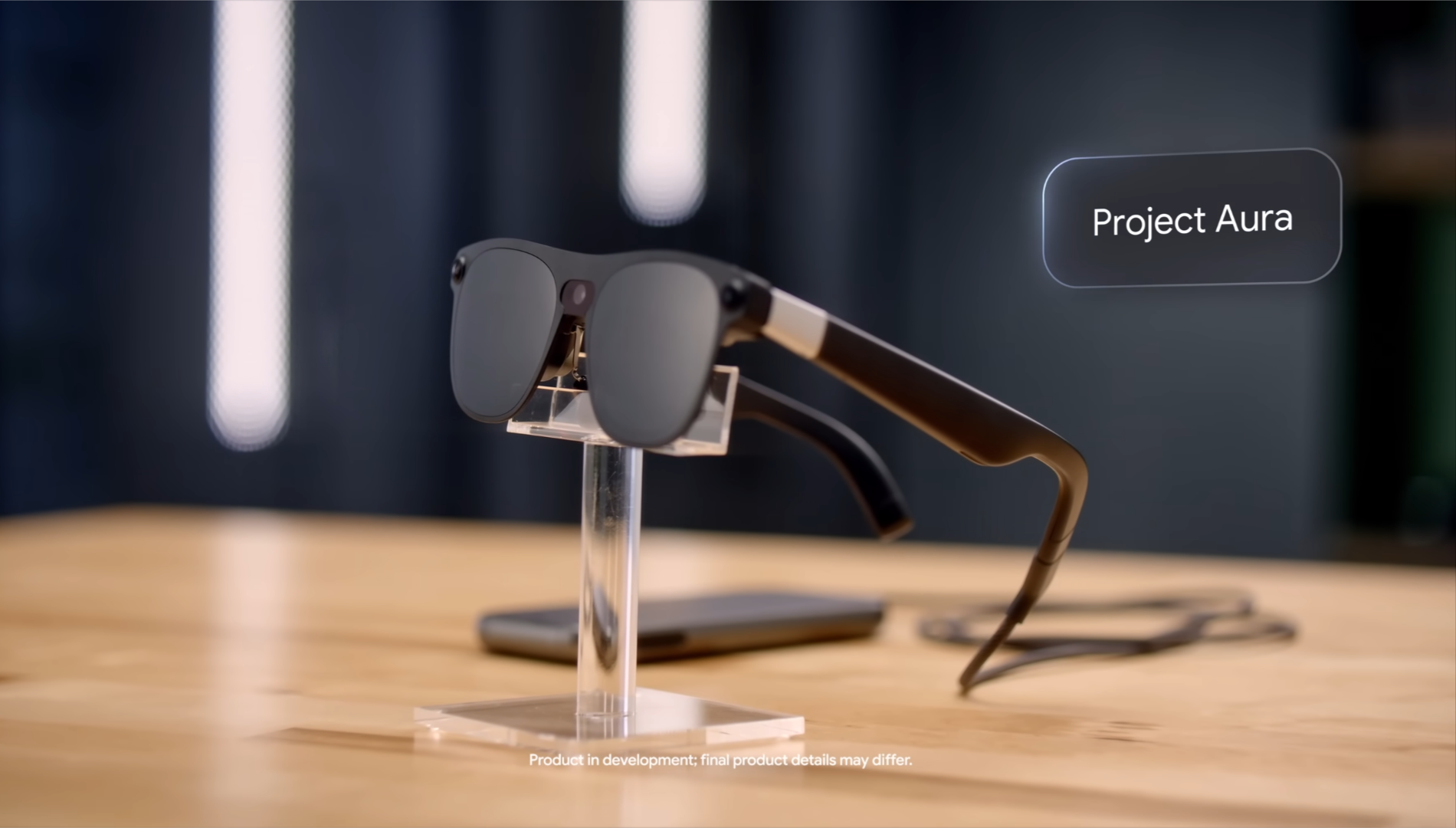
Google also showcased XReal’s Project Aura, a lightweight AR glasses setup that uses transparent lenses to overlay digital windows onto the real world. It offers a wide field of view and is designed for hands-free tasks like watching recipe videos, following guides, or setting up a private workspace anywhere.
Based on the little demo, we were able to see a bit of how the device will work exactly. Think of it like a scaled-down version of the Android XR experience where you can still do pretty much the same things, but on a smaller, lighter, less immersive device. Google says it's still in development, so we don't know the exact specs of the thing. What we do know, though, is that Google was able to get the device to be so light because it comes with an attached battery pack that also doubles as a trackpad. The gestures to control the device look to be pretty much the same as the Galaxy XR, where you'll be able to just do gestures in the air with no other attachments to you.
It’s also planned for release next year and represents a middle ground between full VR headsets and simple AI glasses.
Developer Tools Are Expanding Too
With all these gadgets and devices being pushed out, there needs to be apps to go with them, which is why Google also released a new Developer Preview of the Android XR SDK. It adds early support for building apps for AI glasses, introduces new spatial APIs, and includes sample integrations from partners. The idea is to let developers build experiences that work consistently across headsets, AR glasses, and hybrid devices without rewriting everything for each form factor.
Conclusion
After watching the event, it’s clear that Google and Samsung are approaching XR as a joint project. Google provides the AI and software brain; Samsung provides the hardware muscle. Instead of releasing one flagship headset, Google is building an entire ecosystem, from headsets to glasses to wired AR devices, all tied together by Android XR and Gemini.
And if this event is any indication, the future of Google’s XR strategy looks less like a single gadget and more like a family of wearables, all working together.
 Louis Eriakha