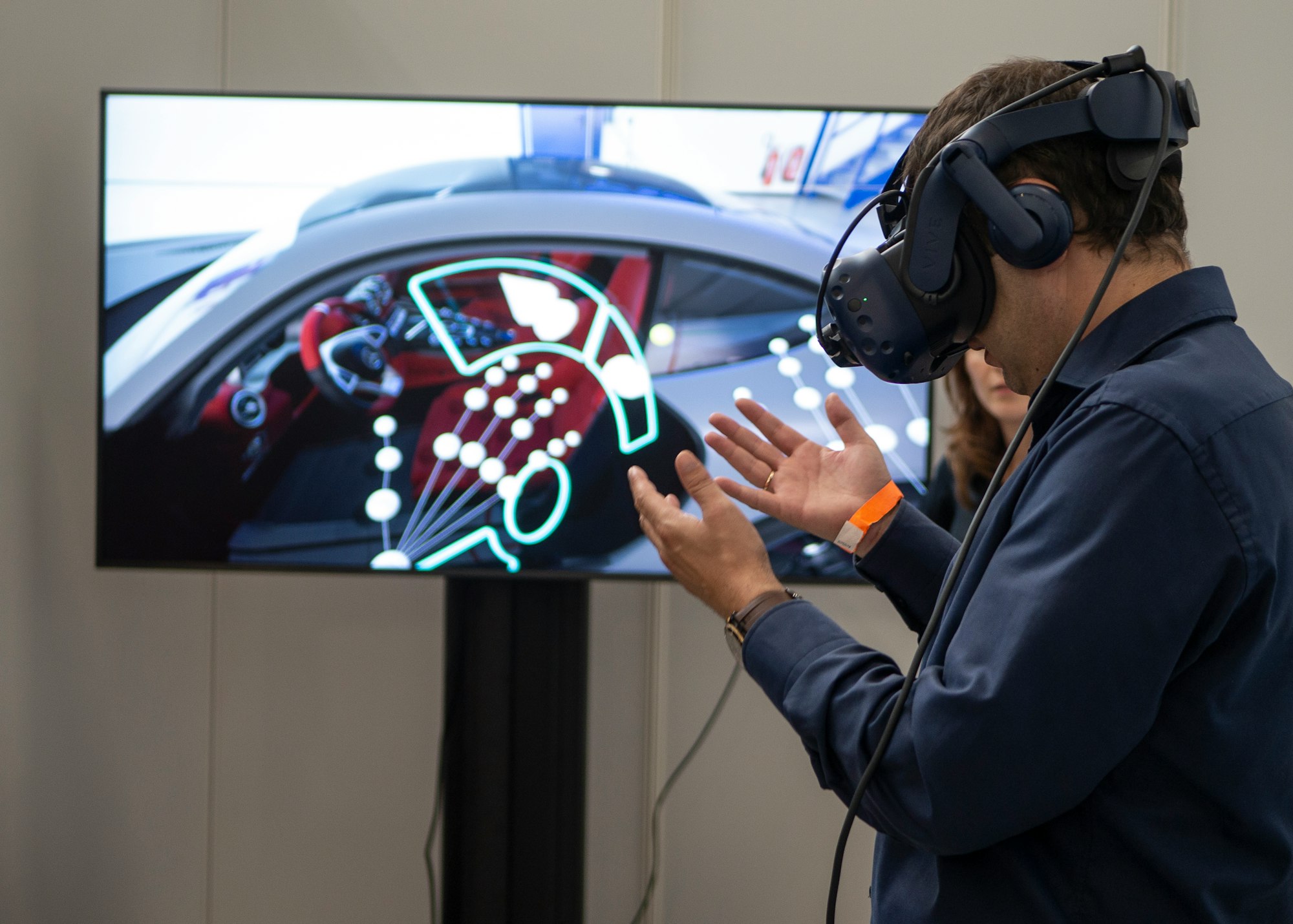
The VR and AR world has always been a bit niche, if we’re being honest. Most devices built for these experiences were either designed almost entirely for gaming or came with price tags that made them feel more like luxury experiments than everyday gadgets (looking at you, Apple).
But things might finally be shifting. Samsung has decided to join the race with the Galaxy XR, its first AI-powered mixed reality headset, and it’s shaping up to be the company’s biggest step yet into the extended reality (XR) space.
 Emmanuel Oyedeji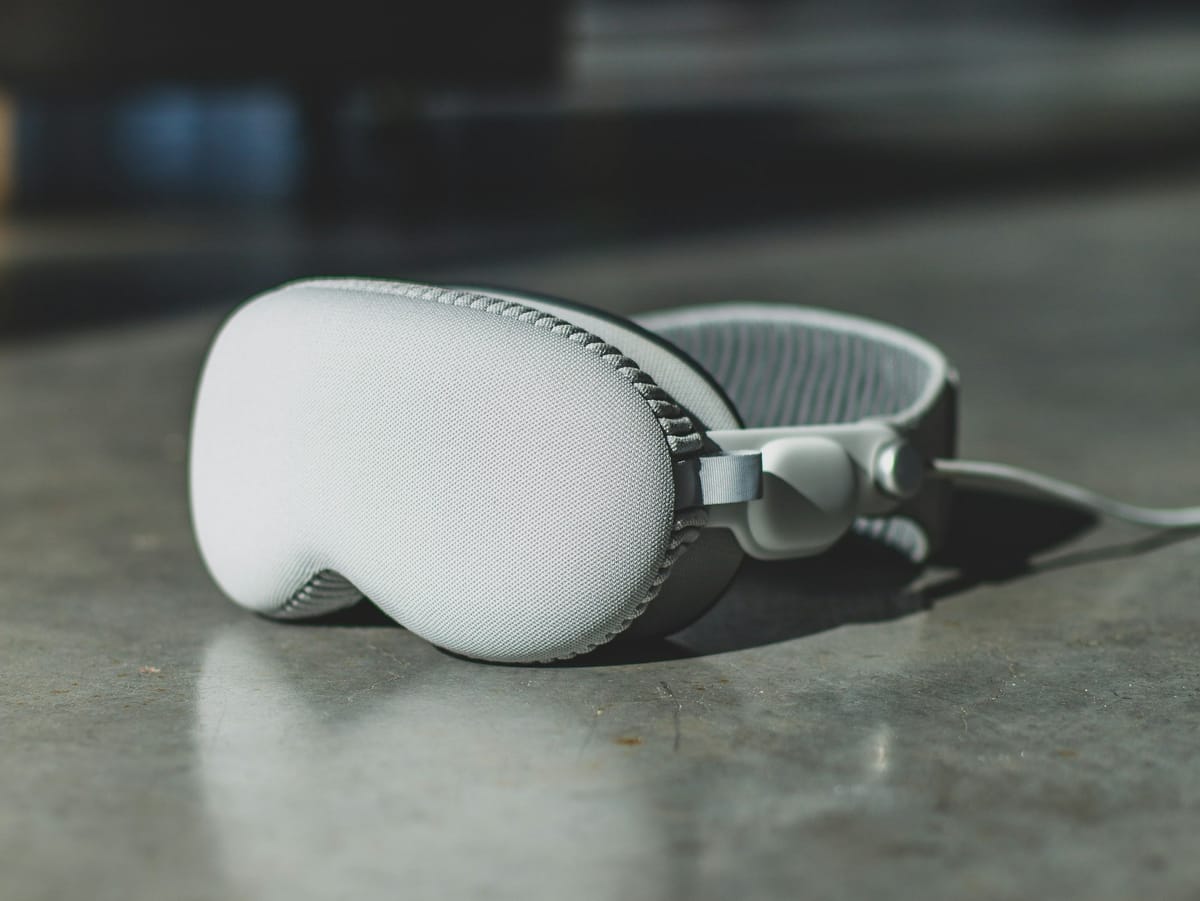
At $1,800, the Galaxy XR is by no means cheap, but it’s still nearly half the cost of Apple’s Vision Pro, which starts at $3,500. For that price, Samsung promises a blend of comfort, power, and usability that could make it a more approachable entry point for consumers curious about XR.
Samsung says the headset has a “human-centric” frame design that distributes weight across the forehead and back of the head to reduce facial pressure during long sessions. It seems the company has learned from feedback around comfort and weight in headsets like the Vision Pro. The Galaxy XR’s 545-gram build is designed for longer wear without fatigue, something Apple’s bulkier 800-gram design still struggles to balance perfectly.
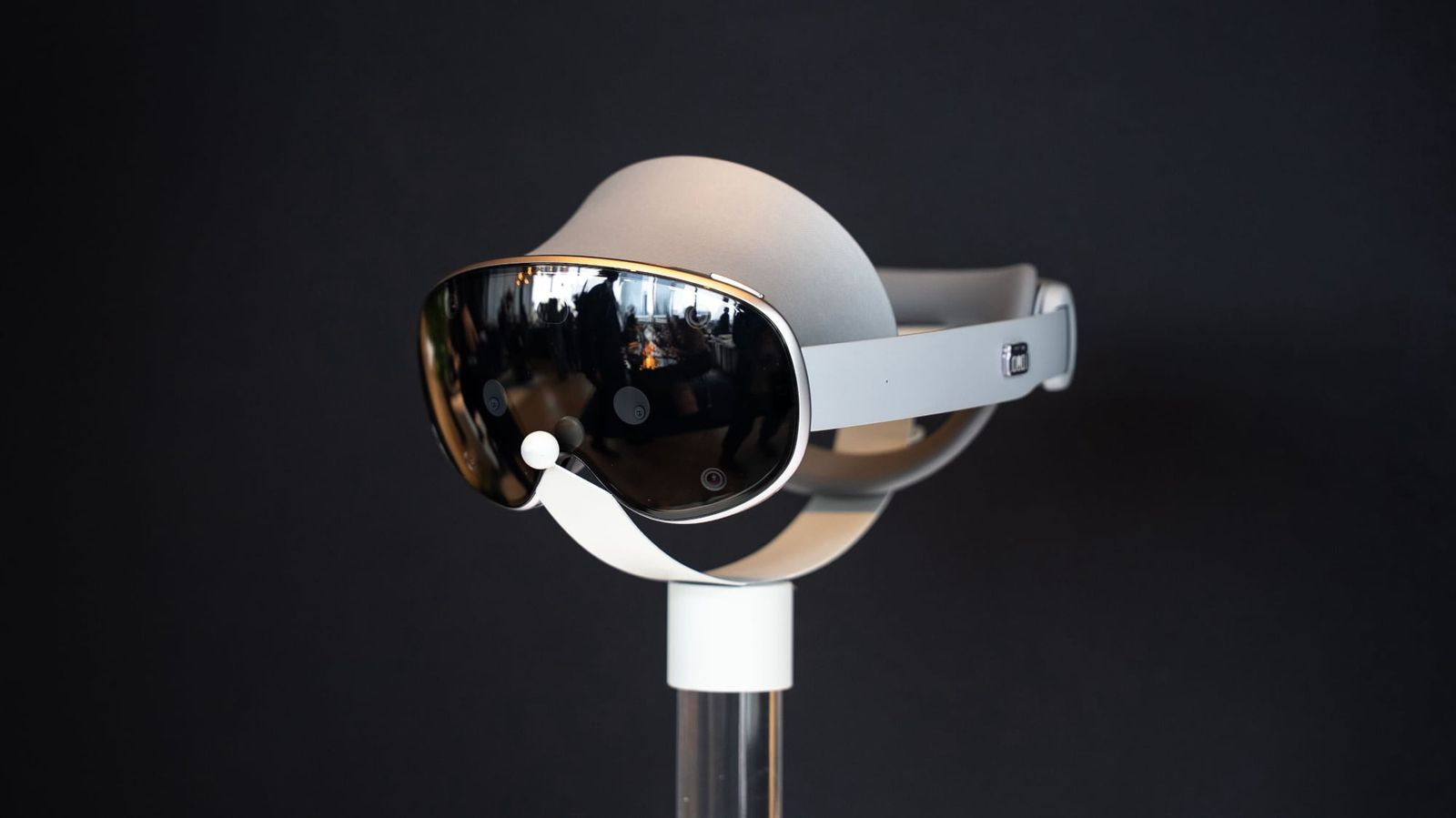
Under the hood, Samsung went all-in on performance. The Galaxy XR runs on Qualcomm’s Snapdragon XR2+ Gen 2 chip, paired with 16GB of memory and 256GB of storage. Its dual 4K micro-OLED displays deliver a combined resolution of 3,552 x 3,840 pixels per eye, offering vivid detail and sharpness.
The headset also supports a 90Hz refresh rate and features an impressive 109-degree field of view, while multiple tracking cameras enable hand, eye, and head movement tracking.
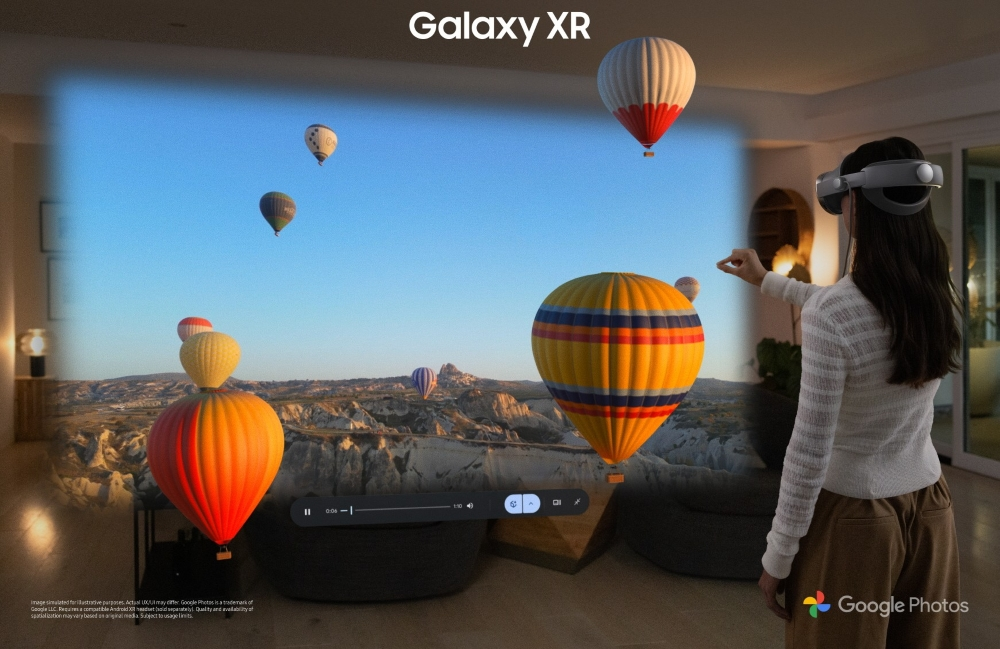
But what really makes the Galaxy XR stand out is its deep AI integration. It runs on Android XR, a new platform developed by Samsung, Google, and Qualcomm, a clear sign Samsung wants this to be more open and cross-platform. Apple, in contrast, has kept Vision Pro tightly bound to its own ecosystem. Samsung’s route could make it easier for developers and Android users to experiment, potentially giving the Galaxy XR broader long-term flexibility.
The device also has Google’s Gemini AI built directly into the system, meaning the headset doesn’t just display virtual environments, it actively understands them.
Users can, for instance, draw a circle around a real-world object to get instant information about it, or use Gemini in Google Maps for spatial navigation. You can even ask it to find specific videos on YouTube or recommend nearby places, all using natural language. It’s like having an AI assistant built right into your field of view.
Of course, all of this tech still comes with limitations. The Galaxy XR, like the Apple Vision pro comes with an external battery pack that weighs 302 grams and only lasts about two hours (2.5 for video playback), and its $1,800 price tag still puts it out of reach for most casual users.
The real test of whether this is truly a viable device will come down to how developers embrace the platform and whether they build meaningful apps and content that make the headset more than just an impressive piece of hardware. The Vision Pro showed that high-end mixed reality can capture attention, but not necessarily adoption.
For now, this is an interesting step by Samsung in the XR space. Whether this would be what finally bridges that gap between niche and necessity, or follows the same path as other ambitious headsets before it, will depend on how well Samsung can turn potential into everyday utility.
 Emmanuel Oyedeji