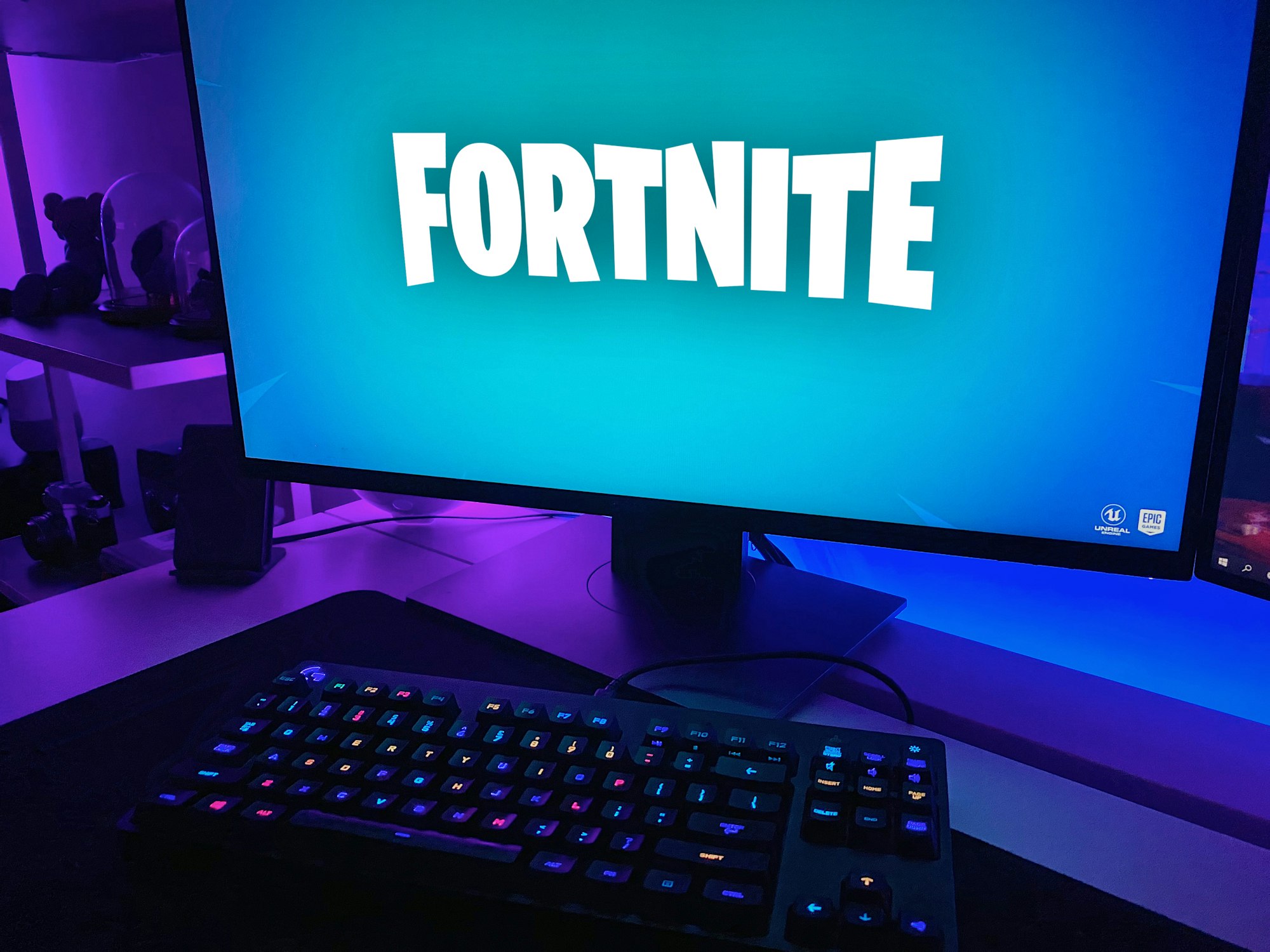
Fortnite isn’t just a battle royale anymore; it’s fast becoming its own economy. Now Epic Games is taking the next step: starting December 2025, creators will be able to sell their own in-game items directly from the islands they’ve built. Think of it as Fortnite going full marketplace mode, opening up a new revenue stream for the thousands of creators who’ve already turned the game into a mini–metaverse.
Until now, Fortnite’s creator economy has run on engagement payouts—Epic pays you based on how much time players spend in your island. For many high-level players and dedicated island builders, this meant relying on external services like Fortnite coaching to truly capitalize on their time and expertise. But the new system adds a fresh layer as creators can design and sell both durable and consumable items using updated UEFN tools and a new Verse-based API.
To kick things off, Epic is being unusually generous. Through 2026, creators will keep 100% of the V-Bucks value of their sales before the split reverts to the standard 50/50. In retail terms, that means about 74% of the money players spend will flow straight to creators during the promo period.
 Oluwaseun Bamisile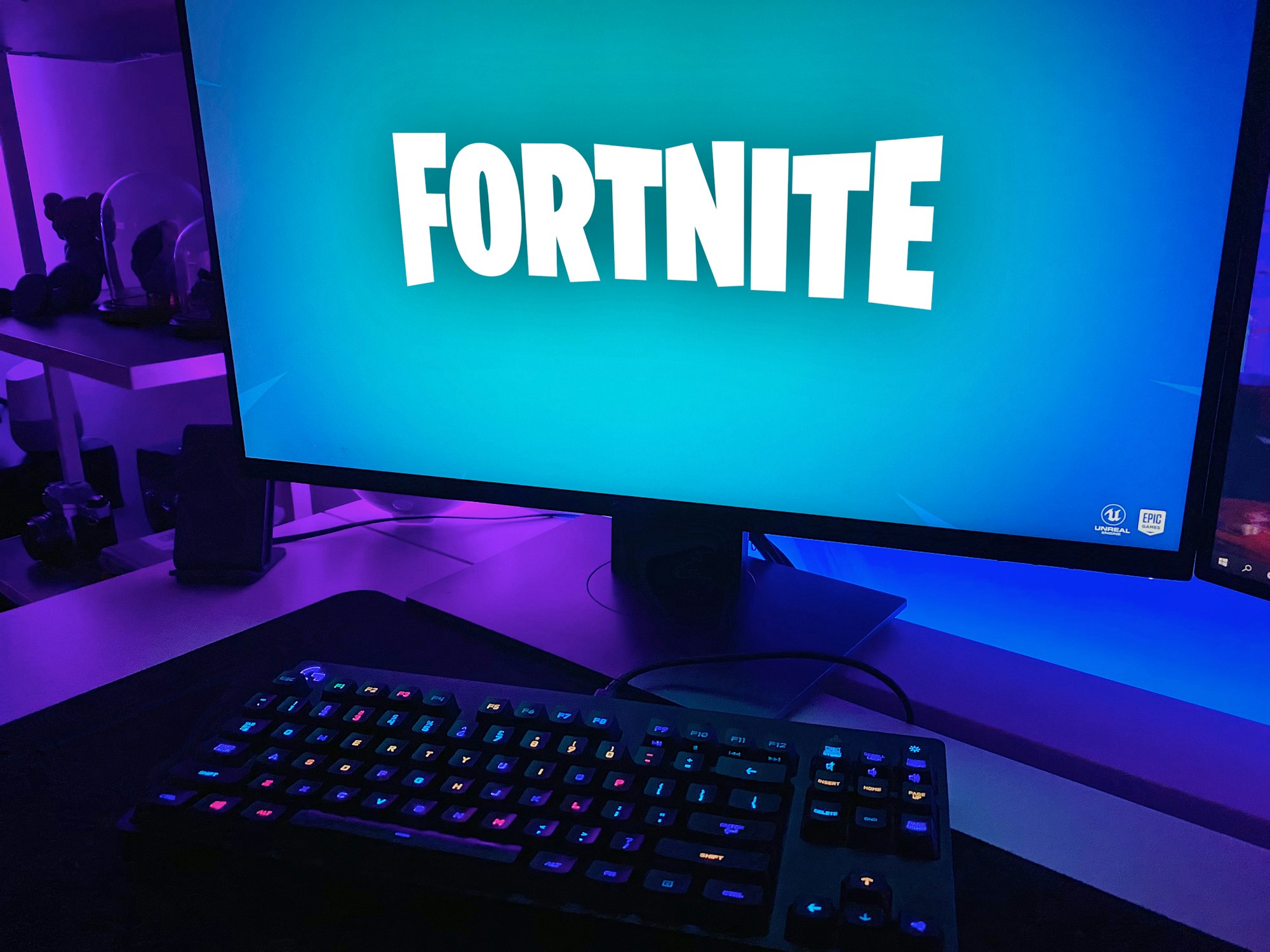
This is a big shift, not just for Fortnite, but for the wider user-generated gaming economy. Roblox has been the poster child here, with a marketplace where fan-made hats, skins, and accessories regularly go viral. Fortnite clearly wants in.
And the numbers show why: Epic paid out $352 million to creators in 2024, with lifetime payouts now hitting $722 million. Add the fact that 36% of Fortnite playtime is already happening in user-made games, and doubling down on creator monetization feels inevitable.
Of course, Epic isn’t doing this purely out of kindness. The company admits it’s been “operating at a loss,” and plans to take a cut from item sales and a new “sponsored row”—essentially paid ads for creator islands in the discovery feed. That revenue, Epic says, will cover the less glamorous side of running a virtual world: infrastructure, moderation, and R&D (research & development).
Still, the move signals Fortnite is leaning harder into being a platform rather than just a game. Plus, with Lego Fortnite and Fortnite Festival already blurring the lines between games, brands, and music, letting creators sell their own gear feels like the next logical step.
The question now is: will Fortnite’s marketplace grow into the same kind of creator-driven economy that turned Roblox into a billion-dollar juggernaut? If the early numbers and Epic’s aggressive revenue share are any hint, Fortnite could be on track to build one of the most creator-friendly ecosystems in gaming. And for players, that means the worlds inside Fortnite are about to get weirder, more experimental, and way more personal.
 Oluwaseun Bamisile