The Mobile World Congress 2026 (MWC 2026) in Barcelona wasn’t just another parade of incremental upgrades. This year felt a bit more experimental. Smartphone makers pushed new forms, accessory brands went after premium features at lower prices, and one company even brought a video game hypercar to life on the show floor.
Here are 8 of the gadgets announced at MWC 2026 that all the tech people can't stop talking about.
1. Motorola Razr Fold

After years of clamshell foldables, Motorola is finally stepping into the book-style arena to challenge Samsung and its Samsung Galaxy Z Fold 7.
The Razr Fold arrives with a triple 50MP rear camera system covering wide, telephoto, and ultrawide lenses. But the real headliner is its endurance. A 6,000mAh battery paired with 80W wired and 50W wireless charging dramatically outclasses Samsung’s 4,400mAh battery and slower charging speeds.
Design remains central to Motorola’s identity. The new “silk” textured back continues its focus on unconventional finishes, adding a premium touch that differentiates it in a foldable market that is starting to look visually repetitive.
 Oyinebiladou Omemu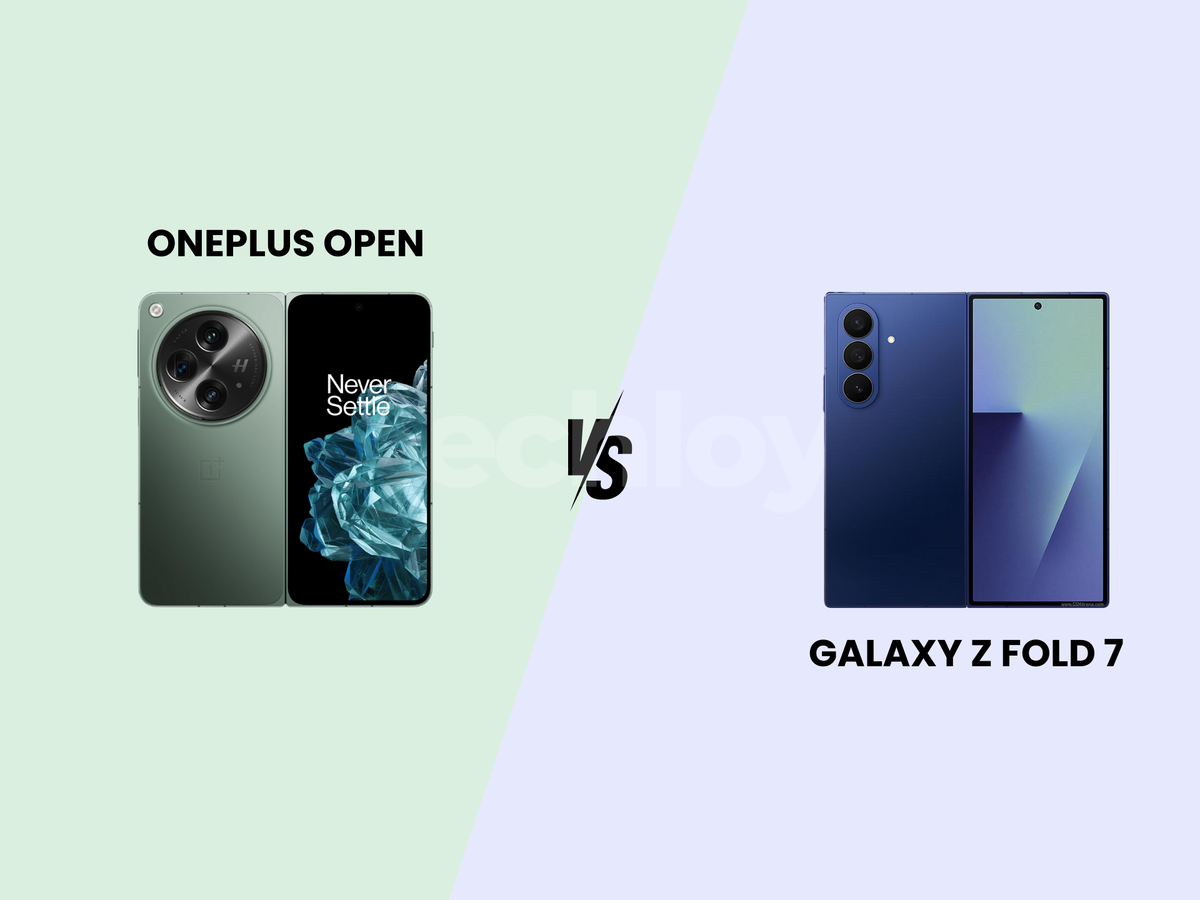
2. Anker Soundcore Space 2

Premium noise-cancelling headphones often creep toward $534 and beyond. Anker is betting most users do not need to spend that much.
The Soundcore Space 2 delivers upgraded active noise cancellation, particularly against low-frequency sounds such as aircraft engines, and stretches battery life to 50 hours with ANC switched on. At $173, it undercuts flagship rivals while still offering performance that feels genuinely competitive rather than compromised.
3. Lenovo Yoga Creative Keyboard Angry Miao Edition

Lenovo partnered with Angry Miao to release a customised mechanical keyboard based on the Dry Studio ATM 98.
It keeps the oversized glowing control knob that adjusts volume or app-specific settings, adds silent switches, and introduces a translucent top design. A built-in USB-C hub and dedicated audio key integrate neatly with select Yoga devices.
It is a statement accessory aimed squarely at creatives who want their desk setup to look as bold as their workflow.
4. GlocalMe PetPhone
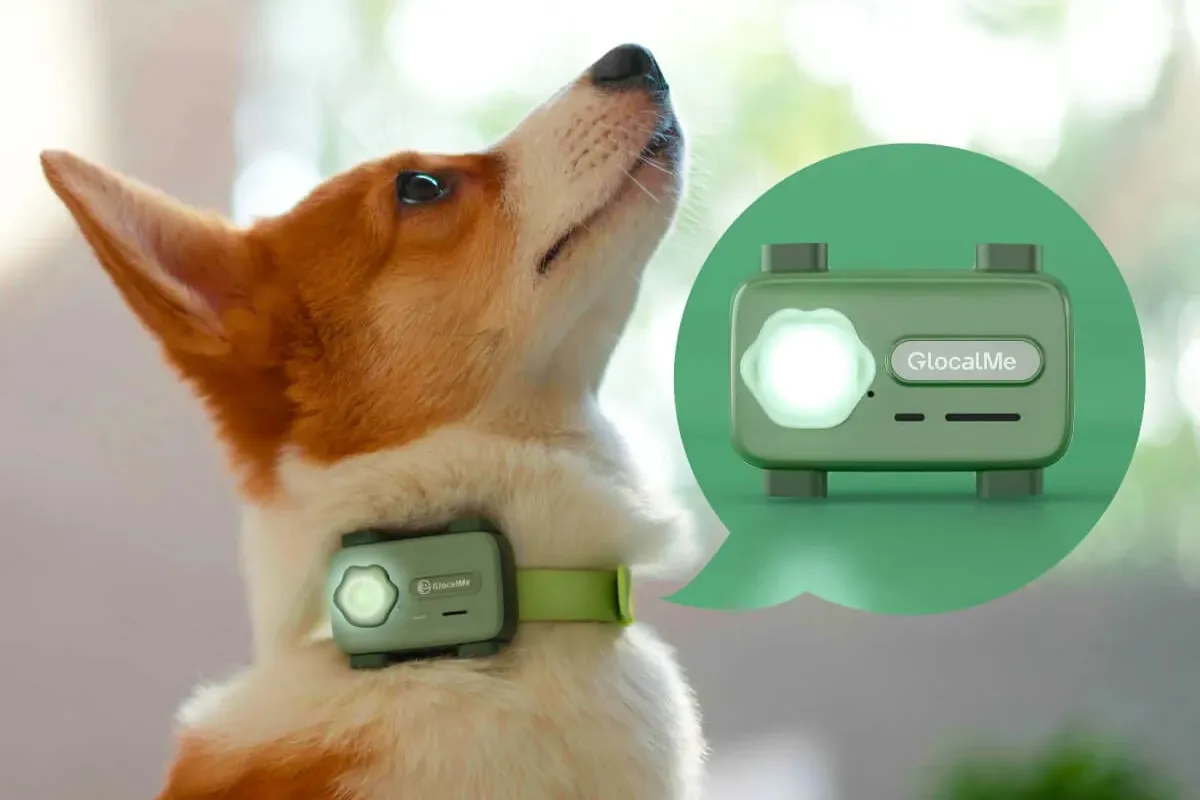
GlocalMe blurred the line between tracking device and novelty gadget. The PetPhone clips onto a collar and acts as a two-way cellular communicator, allowing owners to speak to their pets remotely.
There is even an optional camera attachment for live streaming. The playful twist is that pets can initiate a call after performing a specific motion pattern.
5. Honor MagicPad 4
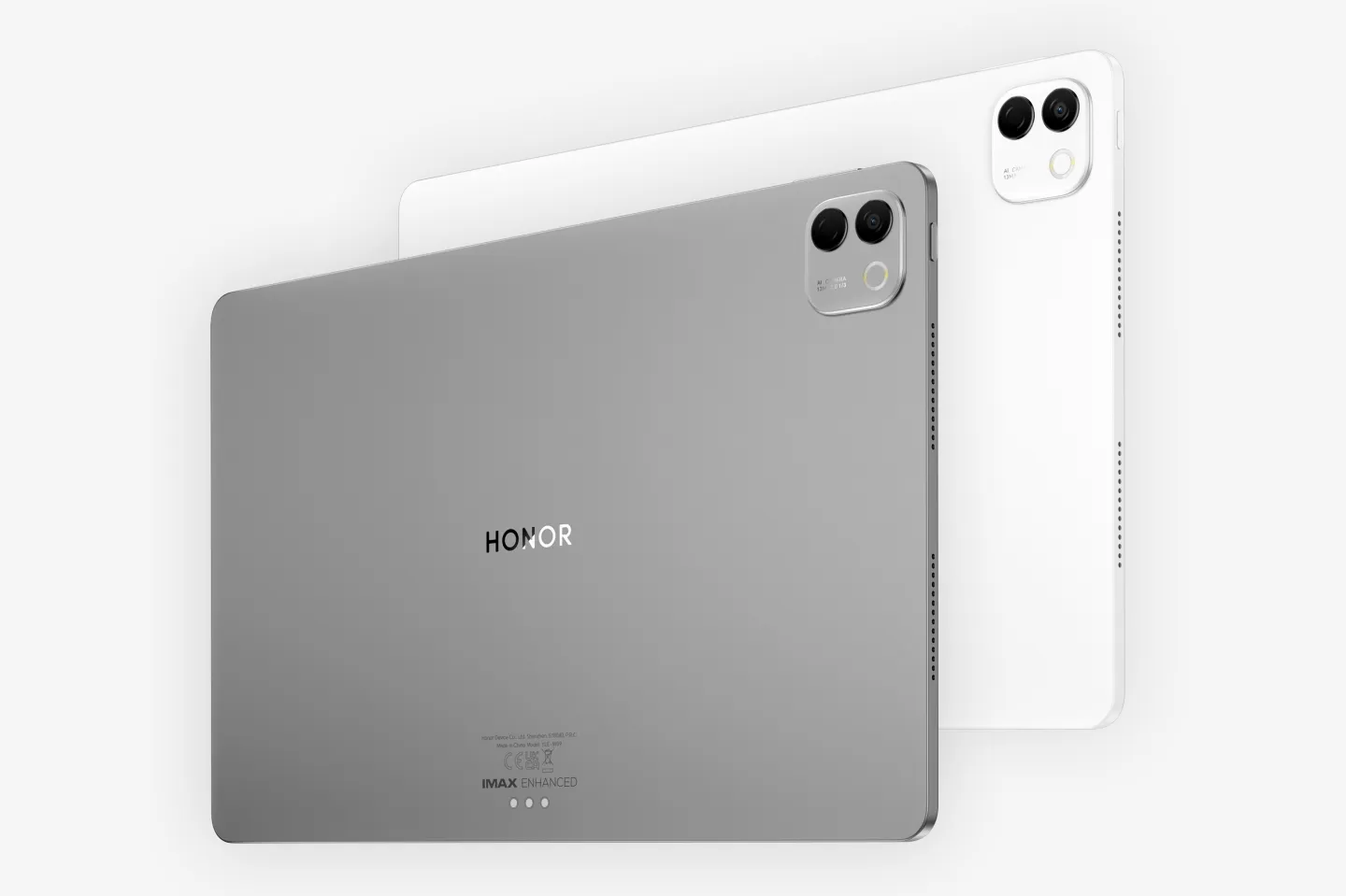
Honor claimed the thinnest Android tablet crown with the MagicPad 4 at just 4.8mm thick. That makes it slimmer than the Samsung Galaxy Tab S11 and even the iPad Air.
Despite its thin profile, it packs a 12.3-inch 165Hz OLED display and a Snapdragon 8 Gen 5 chipset. Pricing starts at $801 for 12GB of RAM and 256GB of storage, positioning it firmly in premium territory.
6. Tecno Modular Magnetic Phone Concept
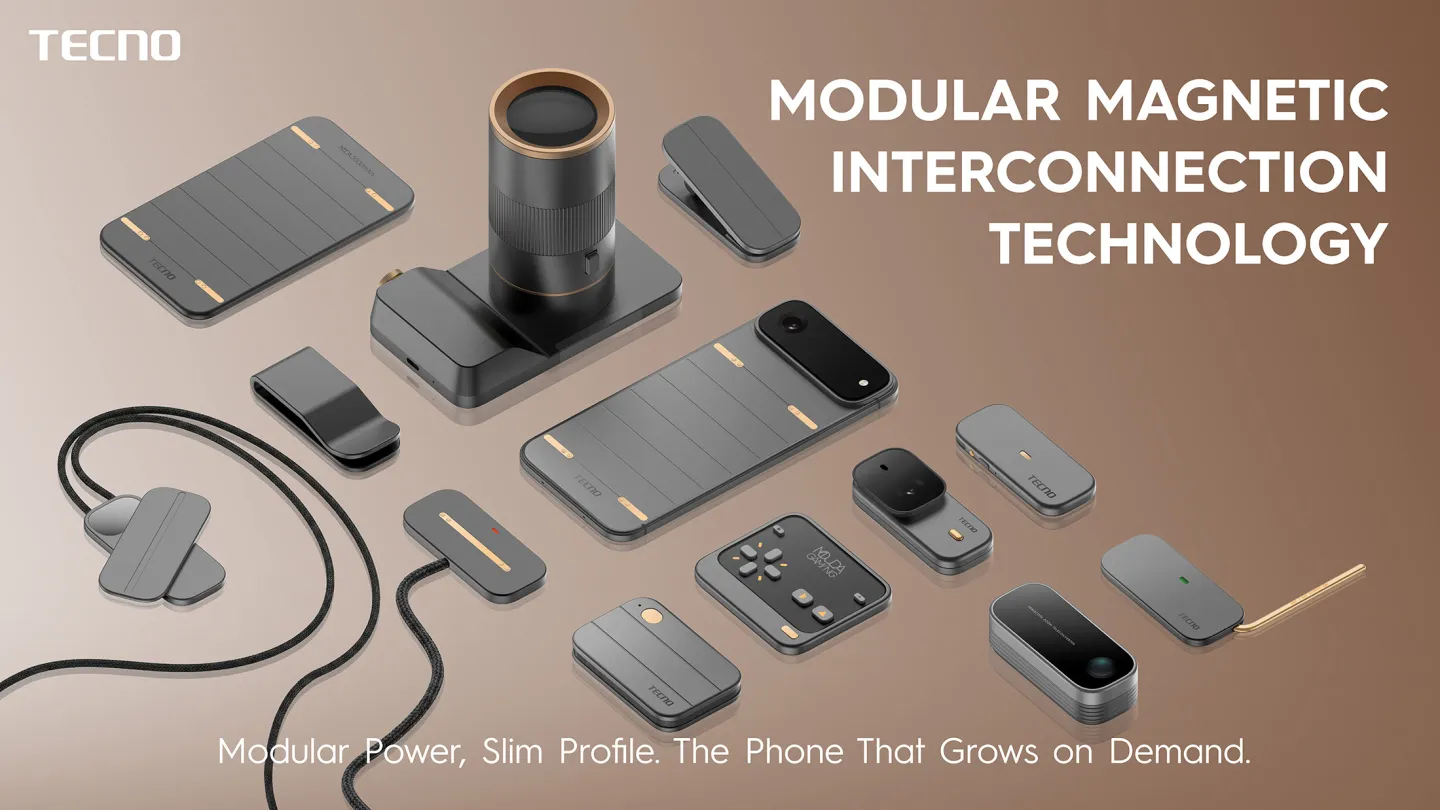
Modular phones have historically struggled to gain traction, but Tecno is trying again with magnetic snap-on modules.
Using what it calls modular magnetic interconnection technology, users can attach extended batteries, telephoto lenses, gaming controls, or even an action camera. It remains a concept, yet the magnetic approach feels more seamless than earlier attempts at modular hardware.
7. Xiaomi Tag
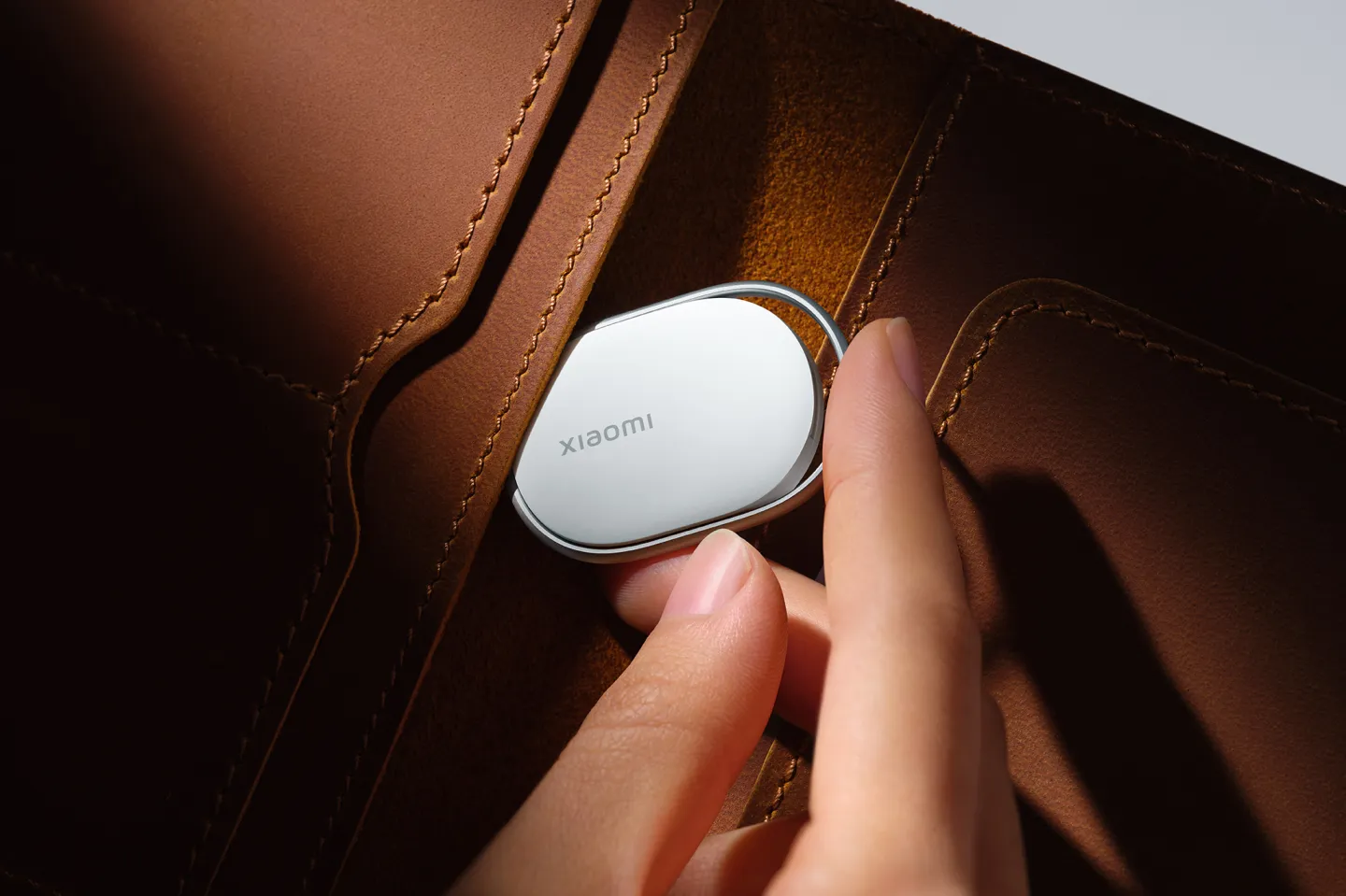
Xiaomi entered the tracker space with a budget-friendly alternative to Apple’s AirTag.
The Xiaomi Tag works with both Apple’s Find My and Google’s Find Hub networks, though users must select one ecosystem. It lacks ultra-wideband precision tracking, but at £12.99 and with an integrated metal loop for easy attachment, it offers practical value for everyday use.
8. Xiaomi Vision GT
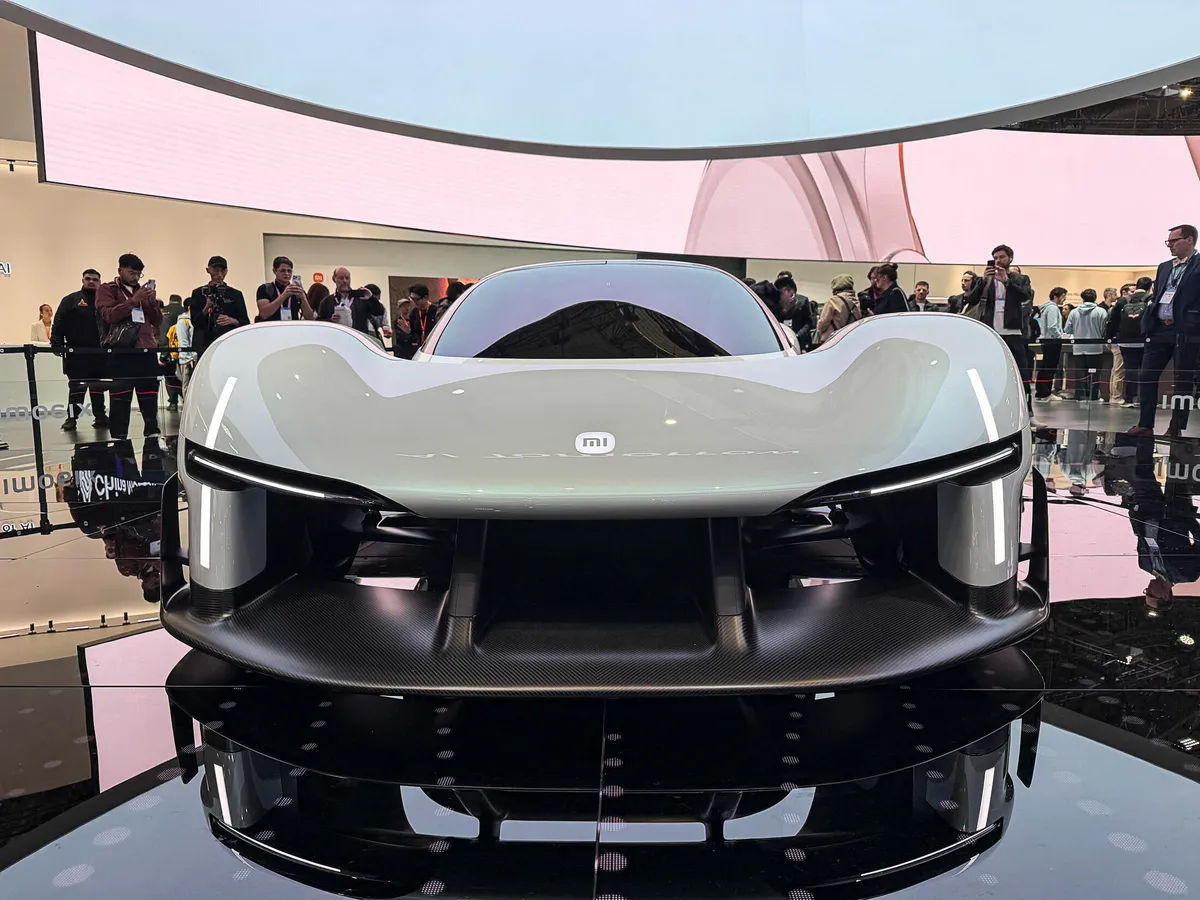
Perhaps the most dramatic reveal came from Xiaomi’s Vision Gran Turismo electric hypercar, originally designed for Gran Turismo 7 on the PlayStation 5.
Instead of keeping it digital, Xiaomi built a real-world version and displayed it at MWC. The car achieves a 0.29 drag coefficient while balancing downforce, avoiding the need for exaggerated spoilers.
Its standout innovation is a magnetic non-rotating wheel cover system that keeps the covers stationary while the wheels spin beneath them, reducing drag and creating a floating visual effect. Inside, the cocoon-like “Sofa Racer” cockpit blends tactile controls with adaptive digital interfaces.
 Louis Eriakha