



Garmin, the wearable fitness tracker, wants you to “play harder,” and its new Fenix 9 lineup is built around that idea.
The latest rugged smartwatches bring brighter displays, more RAM, faster maps, and new training tools, while the Pro models add titanium construction, satellite and LTE connectivity, and longer battery options.
But the biggest question is whether these upgrades justify starting at $999.99.
 Ogbonda Chivumnovu
The Fenix 9: What’s new
The Fenix 9 comes with an AMOLED display that is twice as bright as its predecessor, reaching up to 3,000 nits. It is available in 43mm, 47mm and 51mm sizes, with the range starting at $999.99.
Garmin has also added 50% more RAM and an upgraded map engine, which the company says makes map panning up to 30% faster. There's 64GB of storage, a scratch-resistant sapphire lens, and up to 29 days of battery life in smartwatch mode on the largest model.
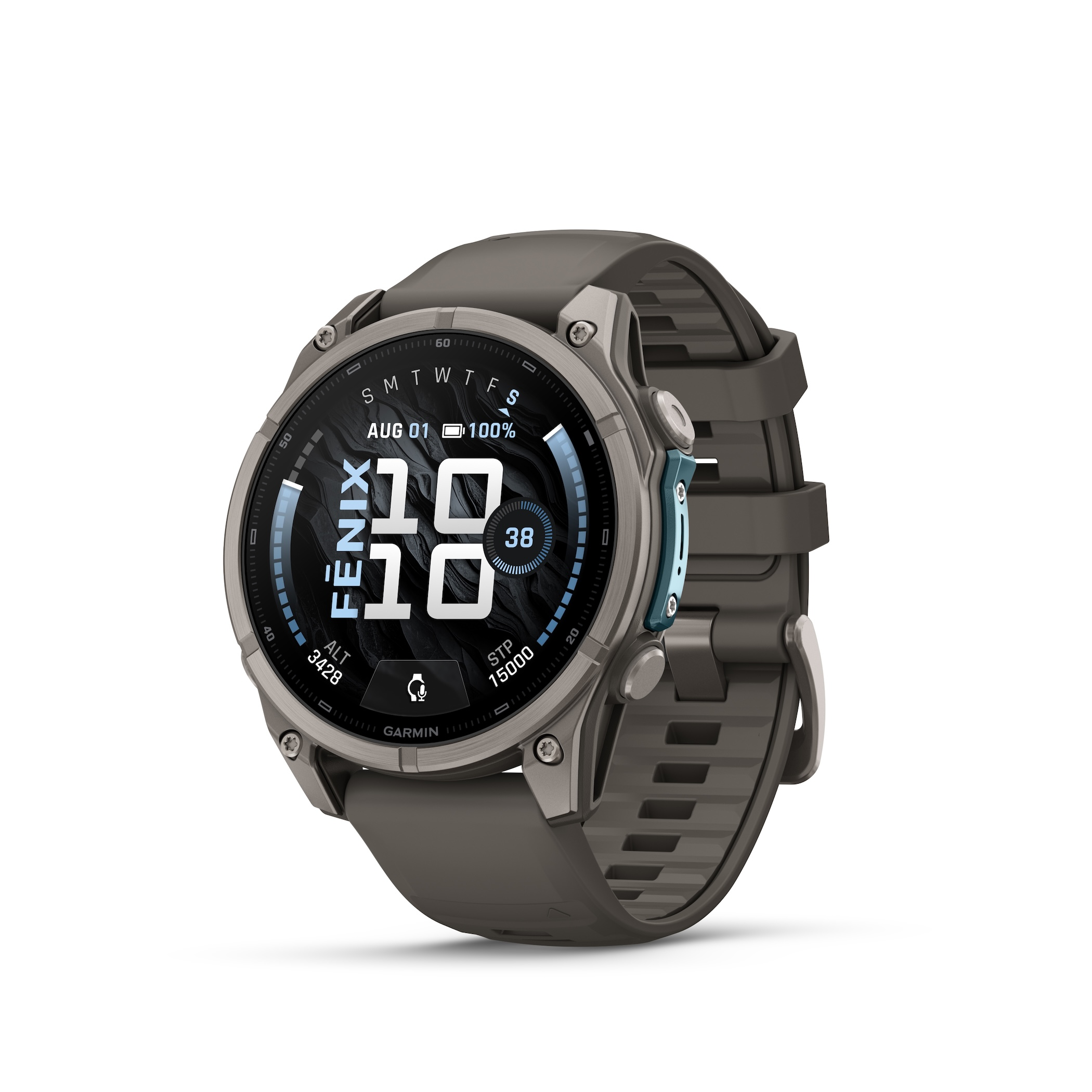
The extra RAM should matter most to people who actually use the watch for navigation. Faster map loading and smoother panning are useful when you are somewhere unfamiliar and would rather spend your time moving than waiting for a map to catch up.
The Fenix 9 Pro goes further
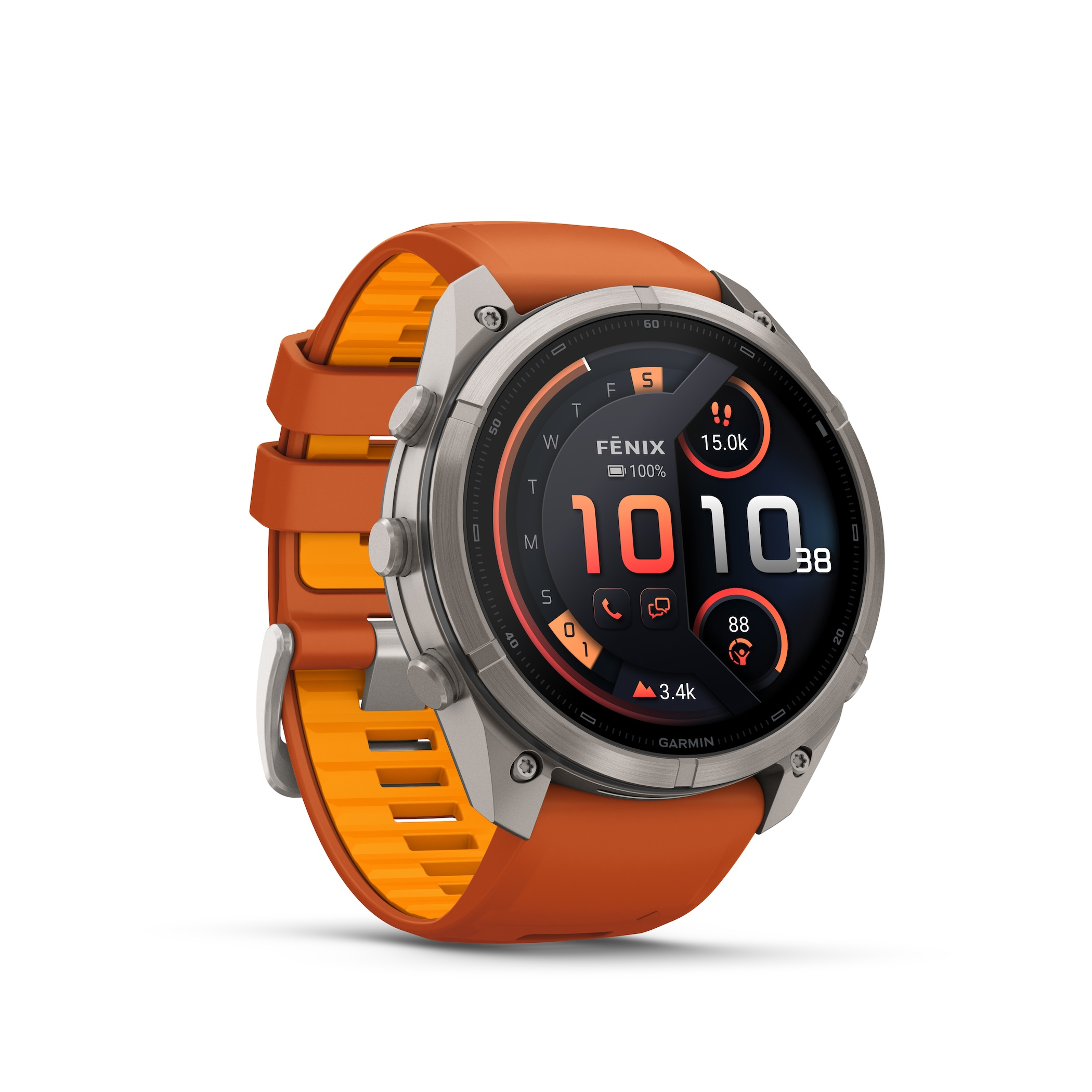
The Fenix 9 Pro starts at $1,099.99 and adds a titanium case, along with optional satellite and LTE connectivity for phone-free communication. The 51mm Pro also gets Garmin’s largest Fenix display yet, at 1.5 inches.
Select Pro models can be fitted with solar charging, with Garmin claiming up to 57 days of battery life under specific outdoor-use conditions. There's also an upgraded flashlight with white and green modes, with the green light designed to help preserve night vision.
Garmin Epic could be the more interesting upgrade
One of the more unusual additions is Garmin Epic.
Subscribe for free to continue reading this article
Subscribe SubscribeAlready have an account? Log in


