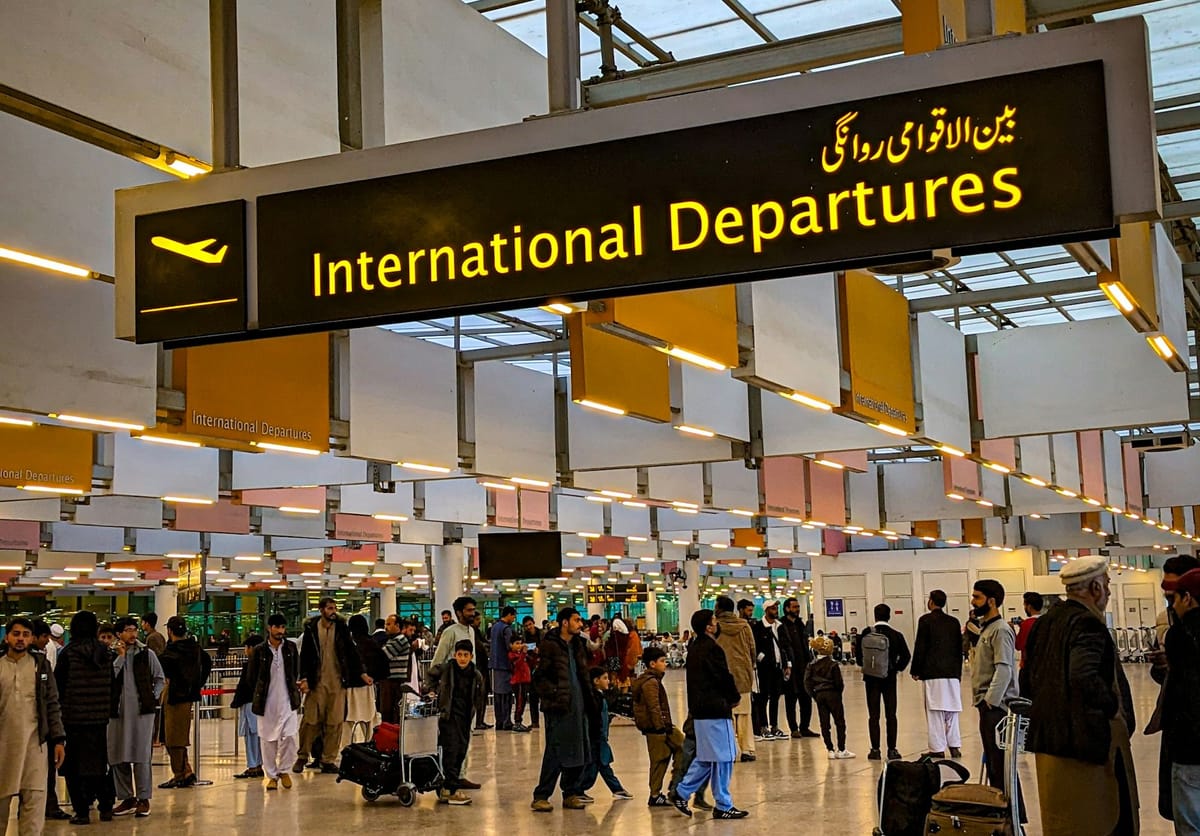
Visa-free transit is now available for Indian passport holders connecting through German hubs such as Frankfurt, Munich, or Berlin on their way to non-Schengen destinations. The policy takes effect immediately and applies as long as travellers remain airside in the international transit zone. This means Indian passport holders no longer need an Airport Transit Visa (ATV) when connecting through German hubs.
Unlike visa-free entry, where citizens of certain countries can travel to another nation for short stays (such as tourism or business) without needing a visa, visa-free transit allows eligible foreign travellers to pass through a country (usually at an airport) for a short period without a full visa. This is permitted provided they have a confirmed ticket to a third country, remain within designated areas (such as the airport transit zone), and meet specific time limits.
This announcement was made in a joint press conference between German Chancellor Friedrich Merz and Indian Prime Minister Narendra Modi in Ahmedabad on 12 January, marking the 75th anniversary of India–Germany diplomatic relations.
The meeting comes at a time when Indian nationals face one of Europe’s strictest Airport Transit Visa (ATV) regimes, often resulting in last-minute document scrambles and missed connections for travellers heading to the Americas or Africa. The financial impact is equally significant: Lufthansa estimates that the waiver could save up to €3 million ($3.4million) a year in administrative costs for Indian corporates that route staff through German hubs.
While the waiver simplifies transit, it does not grant entry into Germany or the wider Schengen Area. Travellers can, however, move through German airports more easily.
One thing to note, however, is that travellers who wish to exit the airport for meetings or onward intra-Schengen flights must still obtain the appropriate Schengen visa in advance. Currently, airlines are updating check-in software to prevent inadvertent boarding-denials and are training gate staff to recognize the new rules.
Overall, this development aligns with broader talent-mobility initiatives alongside the visa announcement. Prime Minister Modi also invited German universities to establish campuses in India, marking a new push in higher education collaboration. According to him, “the new Indo-German roadmap on education will give a fresh direction to the partnership.”
 David Adubiina