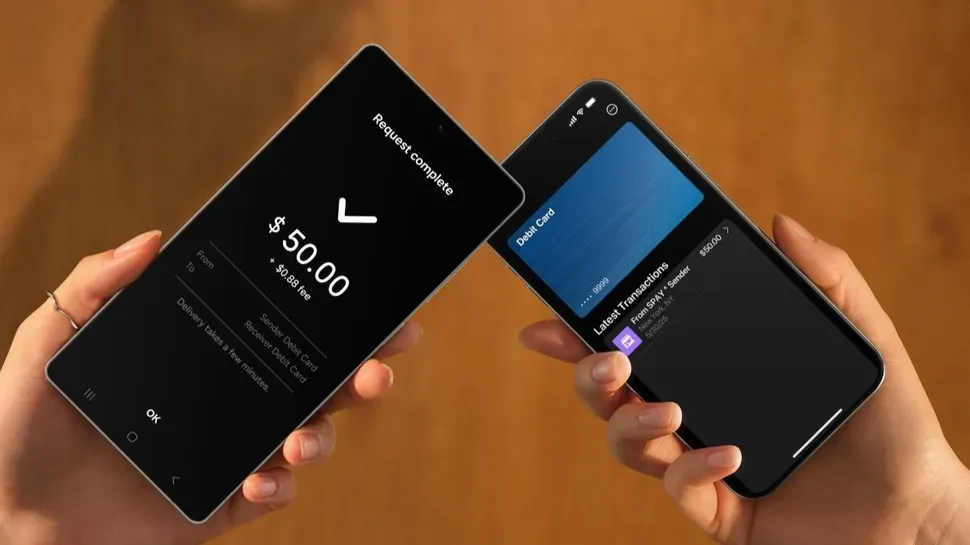
A new report by WIRED magazine examines how Lebanon is turning to digital wallets to move aid as war with Israel deepens the country’s crisis. Since March, Israeli strikes on the capital, Beirut, and the occupation of southern Lebanon have forced more than one million people from their homes.
According to the International Organization for Migration, more than 130,000 people have crossed into Syria, many in urgent need of food, shelter, and cash support.
WIRED reports that while humanitarian needs are rising fast, the way money is moving into Lebanon is changing just as quickly. Instead of relying mainly on traditional charities or state channels, much of the support is now flowing through digital financial platforms.
“One grass-roots campaign run by Lebanese lawyer Jad Essayli raised $65,125 in 10 days, purely through social media and digital transfers,” the report claims. It added that platforms like Whish Money, Paypal, Zelle, and Venmo have been used to receive the funds, some of which have come from donors abroad.
There is no official real-time data that tracks how much money is being sent specifically because of the war. But remittance figures give an idea of the scale. The United Nations Development Programme reported in 2023 that Lebanon receives between six and seven billion dollars a year from citizens living abroad.
That is roughly one third of the country’s entire economy.
In past crises, these transfers typically increase. What is different now, the report notes, is how quickly and directly the money is sent.
 Ogbonda Chivumnovu
Digital Wallets Fill the Banking Gap
The shift toward digital wallets did not start with the current conflict. Lebanon’s financial collapse in 2019 left many people locked out of their savings. Banks froze deposits and limited withdrawals. Trust in the system fell sharply. A January 2025 study by the Economic Research Forum found that trust in the Lebanese government and parliament has dropped significantly over the past decade.
In this vacuum, fintech platforms stepped in, including Whish Money. Originally created to digitize gift cards, the platform expanded into remittances and peer-to-peer payments. It now serves more than two million users across 110 countries.
Toufic Koussa, cofounder and chairman of the company, told WIRED that the focus has always been on people who are unbanked or underbanked. “We started off from the fact that we wanted to disrupt the distribution of gift cards,” he told the magazine
Koussa also confirmed there has been a recent increase in transfers. “Yes, there is an increase,” he said, but he linked it partly to Ramadan and Eid.
These kinds of donations are possible because Lebanon does not have strict rules governing online fundraising in the way some other countries do. In places like the United Arab Emirates, collecting donations without a license can be a criminal offense. In Lebanon, oversight focuses mostly on anti-money-laundering checks rather than specific fundraising laws.
However, Koussa told WIRED that the transactions “go through the monitoring process and the [anti-money laundering].” He added that “recipients are vetted, and due diligence is conducted.”
Oyinebiladou Omemu