If you've been on Nigerian tech Twitter or LinkedIn recently, you've probably seen the news. GoLemon, the Lagos grocery delivery startup founded by four former Paystack executives, announced on July 29 that it was shutting down.
In a farewell post titled "Thank you, Lagos," the team said it couldn't find a sustainable path forward in time. Just like that, a company that built a warehouse network, moved more than ₦2 billion worth of groceries, and served 40,000 registered customers in just 28 months was gone.
GoLemon isn't an isolated case. Over the past three years, several Nigerian delivery startups have either shut down or scaled back their ambitions. But GoLemon's collapse also highlights something bigger. It shows how a venture capital market that once rewarded rapid growth is now asking a different question: Can your business survive without another funding round?
💡 One Lesson Every Tech Professional Can Learn
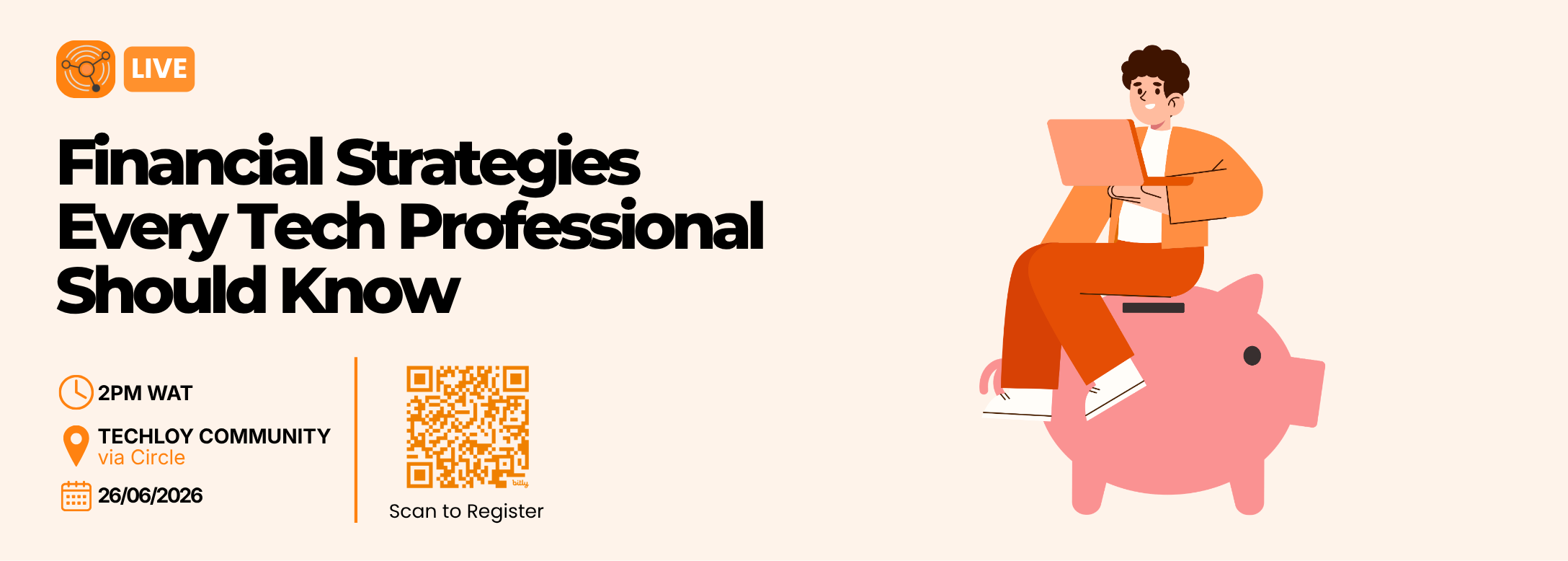
GoLemon's story is a reminder that financial resilience matters for individuals as much as it does for startups. Join Techloy's upcoming community event, Beyond Your Salary, where personal finance experts will discuss budgeting, investing, emergency funds, and building wealth beyond a monthly paycheck.
📅 August 26 | 2:00 PM (WAT)
Why GoLemon's Business Model Was Hard to Sustain
Subscribe for free to continue reading this article
Subscribe SubscribeAlready have an account? Log in

![[VIDEO] Oludamola Ibiyemi: Building the platform she wished existed when she moved to the UK Post feature image](https://storage.ghost.io/c/c1/a6/c1a6d111-d951-41ad-a392-c1e841210b93/content/images/size/w1600/format/webp/2026/09/Oludamola-Ibiyemi-on-The-Founder-Room-Podcast-1.png)